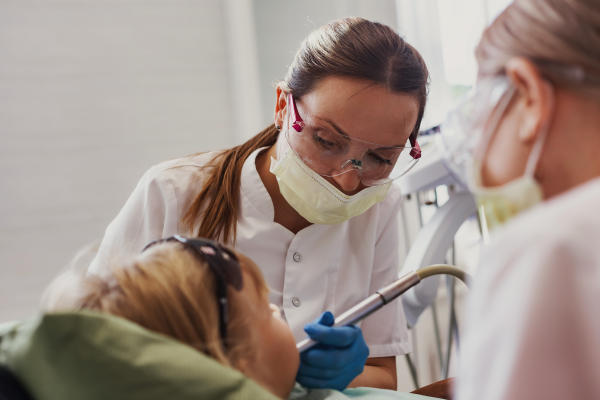
 Your child's teeth will develop and change as they age. Likewise, the kind of dental care they need will change over time. The adult teeth may not develop properly without proper oral care, leading to gum disease and decay problems. Talking to a pediatric dentistry professional and asking the appropriate questions may help better care for your child's teeth.
Questions to ask at a consultation
It would help if you asked the following questions at the pediatric dentistry office during your next appointment.
When should children visit the dentist for the first time?
There is no need to bring the newborn to the dentist right after birth. However, the first trip to the dentist should happen sometime after the first birthday. The exact timing of a child's first visit is a great question to ask while searching for a pediatric dentist. Also, inquire about their plan for caring for the child's teeth and when they intend to begin doing so. Having these discussions may aid in finding a qualified dentist for the child.
What is the best way to floss a child’s teeth?
Children who are still very young will require parents to help them clean their mouths and teeth. Young children will not be able to master the art of tooth brushing until they grow older, and even then, they will need guidance.
However, it might be challenging to instruct a youngster on properly cleaning their mouth until the child has a whole set of baby teeth. Parents can ask the child's dentist for advice and instruction on brushing their teeth.
What oral care products are safe for kids to use?
Inquire about kid-friendly toothpaste options from the dentist. Children often fail to spit out their toothpaste correctly. Ingesting adult toothpaste can make them feel unwell. Many dentists suggest a special kid-friendly toothpaste that is safe even if swallowed.
When should children stop using a pacifier?
Getting an answer to this question from the kid's dentist as soon as possible is essential. Some children outgrow the need for a pacifier, while others continue using it until their parents remove it. Some babies will eventually outgrow the pacifier and start sucking their thumbs instead.
The outgrowth of using these mechanisms is perfectly appropriate for young children. However, chronic thumb or pacifier sucking in later childhood has been linked to the malformed development of permanent incisors. Eventually, this habit might lead to serious orthodontic problems.
Parents can consult the child's dentist to know when it is best to wean the child off the pacifier to save money and potential discomfort during orthodontic treatment.
How vital are primary teeth?
Indeed, this is a frequent question. Given that the teeth will eventually fall out, many people question the usefulness of caring for primary teeth. The truth is that these teeth matter. Proper attention to an infant's teeth is warranted because healthy dental habits are best established in childhood. Your youngster may lose a healthy tooth if their adult teeth come in before they learn to care for them properly.
Final note
Nonetheless, many additional factors make caring for an infant's teeth crucial. First, talk to your dentist, and they will explain why it is essential to start caring for your teeth early and help you craft a plan for your child's oral health. If you have additional questions, visit the pediatric dentistry office.
Request an appointment or call Grand Parkway Pediatric Dental at 832-579-0960 for an appointment in our Richmond office.
Recent Posts
Kids dental crowns are caps that cover and replace natural tooth structures to restore their shape, function, and appearance. They are a popular restorative treatment that can address various dental issues. By investing in kids dental crowns, you are not only restoring the look of your child’s smile, but you are also safeguarding their future…
Kids dental crowns can restore decayed and damaged teeth, even when fillings are not an option. They can also be combined with other restorations, such as dental bridges, to replace missing teeth. Covering, reinforcing, or replacing teeth with crowns promotes good oral health. Crowns also support a child’s oral development, improving speech development, social skills,…
Kids dental crowns can treat many dental issues, including cavities that are too large for traditional filling material. Cavities can eat away and weaken children's teeth, requiring restorative treatments to protect the teeth's structure and function. Here are the details about when dental crowns can help after a cavity treatment.A pediatric dentist may suggest a…