Pediatric Dentistry: What To Expect at Your Child’s First Cleaning

Nervous about taking your child to the pediatric dentistry office for the first time? Read on to learn more. Taking this step represents a significant milestone in your child's personal hygiene development. However, the good news is that there are ways to mitigate this anxiety. Learning as much as possible about what will happen during your child's visit will help alleviate anxiety for your child as well as yourself.
When to take your child to their first pediatric dentistry appointment
For individuals new to parenting or unfamiliar with pediatric dental care, it is natural to question when it is right for their child to undergo a dental cleaning. It is recommended that parents take their children to the dentist promptly upon the emergence of their first teeth. Taking your child to the dentist at an early age can positively impact their dental health in the long run. Dentists can identify the initial indications of tooth decay or dental abnormalities before they worsen into more severe conditions.
Before the initial cleaning appointment, parents should set enough time to discuss the upcoming event with their child. Maintaining good dental hygiene is crucial for children as it plays a significant role in their overall health and well-being. Educating children about the importance of caring for their teeth and gums from an early age is important. Use age-appropriate language when explaining the importance of regular dental check-ups and cleanings to prevent tooth decay and gum diseases.
What happens during a child's first dental cleaning?
One key concern when thinking about a child's dental cleaning is the nature of their experience. If entering the pediatric dentistry office without prior information is intimidating, there is no need to be concerned. The routine for dental cleaning for kids is very similar to that for adults. The major difference is the type of tools and techniques. Here's what to expect from that first cleaning appointment:
Tartar and plaque removal
The child's dentist will first try to clean plaque or tartar that may be present on their teeth through a scraping process. The number of teeth a child has does not affect the need for this treatment. Plaque can be challenging to detect without proper training due to its transparency. Sometimes, parents may be unable to prevent plaque accumulation effectively.
If plaque and tartar are not addressed in time, they can lead to the decay of the child's tooth, ultimately resulting in cavities. Pediatric dentists employ specialized tools to meticulously remove substances from each tooth, ensuring a cleaner dentition. Removing this harmful substance will result in improved appearance and sensation for the child's teeth.
Tooth polishing
Once tartar and plaque are eliminated from your child's teeth, they can undergo their first tooth polishing procedure. During this procedure, the teeth will be carefully cleaned using a rubber polishing tool and a flavored paste. Some pediatric dentistry offices allow the child to select the flavor of the polishing paste. This step aims to enhance the appearance of the child’s teeth, making them appear bright, white, clean, and shiny for their dentist's evaluation.
Tooth examination
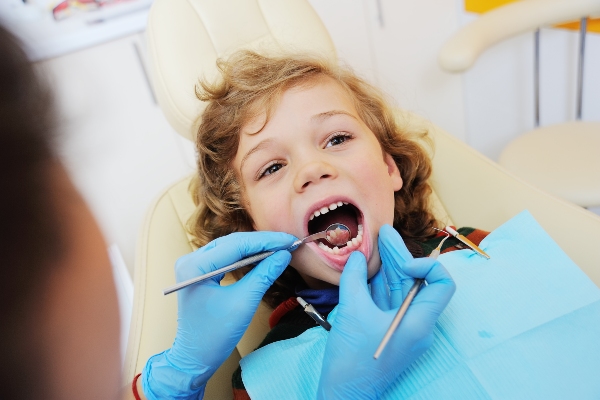
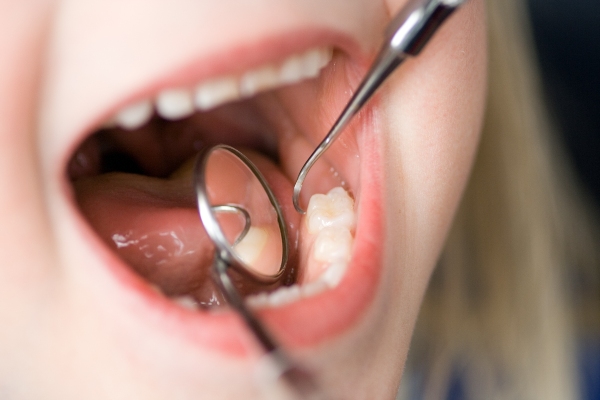
During their visit, the child will undergo a routine tooth examination comparable to the one adults undergo during their dental visits. During the dental examination, the pediatric dentist will assess the presence of tooth decay, gum inflammation, bite abnormalities, and other potential issues that could impact the long-term oral health of the child.
The dentist will inform the parent if they observe any abnormalities or issues with the child's teeth. Parents should address any inquiries or apprehensions regarding their child's dental health during this step.
Fluoride treatment
The last stage of a dental examination typically involves a brief application of fluoride treatment. The application of fluoride protects the child's teeth from cavities as it works to strengthen them. The treatment is simple and can be completed within a short time frame.
Contact our pediatric dentistry office today
As part of the pediatric dentistry appointment, the dentist will explain the importance of regular dental check-ups and cleanings to prevent tooth decay and gum disease. The dentist will also demonstrate and guide the child on proper brushing and flossing techniques, emphasizing the need to do so at least twice daily.
For younger children, the dentist may use visual aids or interactive tools to make the experience more engaging and understandable. They may also discuss the impact of sugary foods and drinks on dental health, encouraging the child to make healthier choices.
Request an appointment here: https://www.grandparkwaypediatricdental.com or call Grand Parkway Pediatric Dental at (832) 579-0960 for an appointment in our Richmond office.
Check out what others are saying about our dental services on Yelp: Pediatric Dentist in Richmond, TX.
Recent Posts
. Our skilled team will keep you comfortable as we restore your teeth. If you have any further questions about the procedure or dental crowns, do not hesitate to call.Request an appointment or call Grand Parkway Pediatric Dental at 832-579-0960 for an appointment in our Richmond office.
Kids dental crowns are a reliable and effective tool for restoring damaged teeth. While most parents think of dental crowns in relation to root canals, crowns can also restore beauty and function to cracked teeth. If your child has fractured a tooth, a dental crown may be the most ideal solution.Kids dental crown sits on…
Kids dental crowns are caps that cover and replace natural tooth structures to restore their shape, function, and appearance. They are a popular restorative treatment that can address various dental issues. By investing in kids dental crowns, you are not only restoring the look of your child’s smile, but you are also safeguarding their future…
Kids dental crowns can restore decayed and damaged teeth, even when fillings are not an option. They can also be combined with other restorations, such as dental bridges, to replace missing teeth. Covering, reinforcing, or replacing teeth with crowns promotes good oral health. Crowns also support a child’s oral development, improving speech development, social skills,…