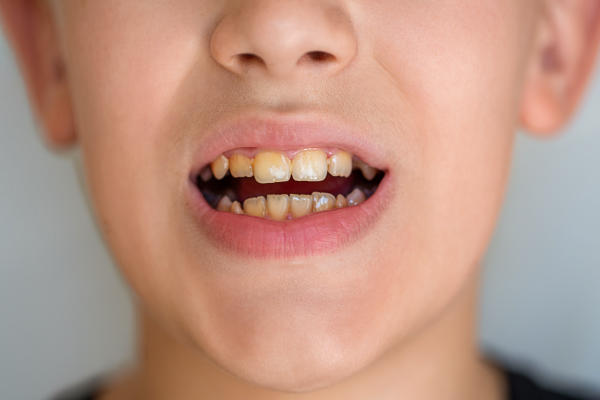
 Dental fillings are the most common cavity treatment. Composite fillings are a type of filling that may also sometimes treat broken, cracked, or worn teeth. If your child is in need of a cosmetic or restorative dental procedure, a pediatric dentist may recommend using these tooth-colored fillings. Below is a guide to composite fillings that covers their installation, aftercare, and side effects.
Cavity fillings with composite resin
Composite fillings differ from other types of dental fillings because of the “composite” material used to make them. They typically contain a mixture of acrylic resin and powdered glass. Other fillings can contain silver (or amalgam), gold, or glass ionomer. No matter the material, filling a cavity is a multi-step process in which the pediatric dentist will:
- Numb the area with a local anesthetic.
- Use an air abrasion instrument, drill, or laser to remove the decay.
- Probe the tooth to ensure they remove the entire decayed portion.
- Remove any debris and bacteria from the cavity to prepare it for the filling.
- Place a liner made from composite resin or another material to protect the nerve if the cavity is near the tooth root.
- Place the filling material and then polish it.
Additional steps for a composite filling procedure
Composite filling procedures take about 20 minutes longer than silver amalgam because of the additional steps involved in placing the material in the cavity. The pediatric dentist will apply the composite in layers, hardening each layer with a special light before applying the next layer. After applying and hardening all of the layers, the pediatric dentist will shape, trim, and polish the restoration.
Aftercare for composite fillings
A composite filling will not change a child’s basic oral hygiene routine. As usual, regular brushing and flossing is recommended. Schedule dental checkups every six months or when a problem occurs, such as a chipped, broken, or lost filling.
Side effects of composite fillings
Tooth-colored fillings have many advantages, from durability to the additional benefits of uniform color within a smile (such as a confidence boost). However, there are some side effects.
Tooth sensitivity
One of the most common issues with composite fillings is sensitivity to air, pressure, temperature, or sweet foods. This should go away on its own. If it lasts more than two to four weeks or if the tooth is excessively sensitive, consult a pediatric dentist.
Tooth pain
If the child experiences pain around the composite filling while biting, a pediatric dentist may need to reshape the filling. If the child complains of a toothache and the cavity was originally near the root of the tooth (the pulp), further treatment may be necessary.
Deterioration
The pressure caused by grinding, chewing, or clenching the teeth can chip, wear, or crack fillings. If the seal between the composite filling and the tooth enamel breaks down, bacteria and food particles can infiltrate the tooth, causing decay. A pediatric dentist may need to replace the filling with a crown if the decay is extensive.
Call for cosmetic and restorative fillings
If your child has a cavity or cosmetic dental problem, composite fillings may be the solution. Call our pediatric dentist to learn more about the process. We strive to restore your child’s smile in no time.
Request an appointment or call Grand Parkway Pediatric Dental at 832-579-0960 for an appointment in our Richmond office.
Recent Posts
Pediatric dental fillings can restore front teeth affected by cavities or minor damage while preserving a child’s healthy smile and supporting normal speech and eating habits. Although many people associate fillings with back teeth, front teeth sometimes require treatment as well. As a pediatric dentist, preserving baby teeth whenever possible remains an important part of…
Parents will regularly ask about white fillings for kids when seeking to maintain the natural appearance of their child's smile while effectively treating decay. Are you concerned about the materials used in restorations? Rest assured, modern pediatric dentistry provides safe, tooth-colored alternatives to traditional amalgam options.Dental cavities are a common condition that affects children of…
Finding out that a child has a cavity can be a stressful experience for any parent, leading to questions about treatment options. Dental fillings for kids are a common option, and one that supports long-term bite health and patient comfort. A pediatric dentist carefully crafts each filling to last as long as possible. This can…