How To Treat Baby Bottle Rot

Baby bottle rot is a common but preventable dental issue in infants and toddlers. This condition, also known as early childhood caries, occurs when a child is frequently exposed to sugary liquids, leading to decay in their primary teeth. Identifying the signs of baby bottle rot early and seeking treatment from a pediatric dentist can help preserve oral health and prevent complications as the child grows.
Understanding baby bottle rot
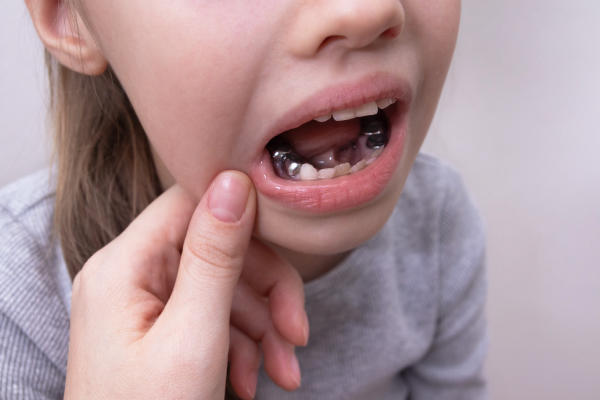
Baby bottle rot often begins with white spots near the gumline of the upper front teeth. These areas may progress into brown or black discoloration, indicating enamel erosion and active decay. In severe cases, affected teeth may break, fall out prematurely, or cause pain and infection. The condition primarily develops when children regularly fall asleep with bottles of milk, formula, or juice, which allows sugars to pool around the teeth and feed cavity-causing bacteria.
The teeth most vulnerable to baby bottle rot are the upper front teeth, although other teeth may be affected over time. While primary teeth eventually fall out, they play an essential role in speech development, proper chewing, and guiding the alignment of permanent teeth.
Treatment options for baby bottle rot
Pediatric dentists customize treatment plans based on the child’s age, the severity of the decay, and the number of teeth affected. Early detection enables less invasive treatment, while advanced cases may necessitate restorative or surgical interventions. Common treatment options include:
1. Fluoride treatments and remineralization
By detecting decay in its early stages, a pediatric dentist may recommend fluoride treatments to strengthen enamel and reverse mineral loss. Topical fluoride varnishes or gels can help halt the progression of decay and rebuild weakened enamel. In addition to in-office treatments, the dentist may suggest using a prescription fluoride toothpaste at home under supervision.
2. Dental fillings or crowns
For teeth with more extensive decay, restorative treatments are necessary. Tooth-colored fillings can repair small cavities, while stainless steel crowns may restore primary molars with deeper decay. These restorations help maintain function and space in the mouth until the permanent teeth erupt.
3. Tooth extraction
In cases where the tooth is severely damaged or infected, extraction may be the only option. Pediatric dentists take care to preserve space for the permanent teeth by placing space maintainers when necessary. Removing a severely decayed tooth can also reduce the risk of spreading infection to adjacent teeth or underlying bone.
Home care and monitoring
Parents and caregivers play a crucial role in preventing and managing baby bottle rot. After professional treatment, regular dental checkups and daily oral care are essential for preventing further decay. A pediatric dentist may recommend the following steps at home:
- Wipe the child’s gums with a clean, damp cloth after feedings, even before the first tooth erupts
- Brush teeth twice daily using a soft-bristled toothbrush and a smear of fluoride toothpaste
- Avoid giving bottles of milk or juice at bedtime or during naps
- Encourage the use of a cup by the child’s first birthday
- Limit sugary snacks and drinks, especially between meals
These habits reduce the risk of recurring decay and promote lifelong oral health.
Preventing future decay
After treating the baby bottle rot, maintaining a routine of good oral hygiene and regular dental visits can significantly lower the risk of future decay. Children should see a pediatric dentist by their first birthday or as soon as their first tooth appears. During these visits, dentists monitor tooth development, educate caregivers on proper brushing techniques, and provide guidance on diet and oral hygiene.
Dental sealants may also help children who are at a higher risk of cavities. These protective coatings are applied to the chewing surfaces of molars to prevent food and bacteria from accumulating in deep grooves.
Why early treatment matters
Treating baby bottle rot promptly helps protect the child’s comfort and overall well-being. Untreated decay can lead to pain, difficulty eating, sleep disruption, and even systemic infection in severe cases. Dental treatment also supports healthy speech development and boosts the child’s confidence during social interactions.
Pediatric dentists are specially trained to manage the dental health of infants and toddlers. By working with a pediatric dentist early, families receive guidance on nutrition, teething, and effective at-home care—setting the foundation for a healthy smile that lasts into adolescence and beyond.
Request care for baby bottle rot today
If baby bottle rot is suspected, prompt evaluation by a pediatric dentist is essential. Timely care helps minimize damage, reduce discomfort, and protect the child’s oral development. To learn more about treatment options and schedule an appointment, contact Grand Parkway Pediatric Dental at (832) 579-0960 or visit https://www.grandparkwaypediatricdental.com today.
To schedule a consultation, request an appointment on our website at https://www.grandparkwaypediatricdental.com or call Grand Parkway Pediatric Dental at (832) 579-0960 for an appointment in our Richmond office.
Check out what others are saying about our services on Yelp: Baby Bottle Rot in Richmond, TX.
Recent Posts
Pediatric dentists recommend kids dental crowns for children’s teeth. Veneers are a cosmetic treatment for adults, while dental crowns serve restorative purposes for both adults and children. Here is a closer look at the differences between these two treatments and why dental crowns are the appropriate choice for kids.Dental crowns and veneers are similar in…
Kids dental crowns are a versatile solution in pediatric dentistry. They help protect damaged teeth and support the replacement of missing ones, making them a reliable option for long-term oral health. They can also improve the appearance of the smile. Pediatric dentists recommend crowns to restore function, protect developing teeth, and ensure a healthy, lasting…
A children's root canal helps save baby teeth when deep decay threatens a child’s dental health. When your child has severe tooth pain or a dental injury, deciding whether to treat or remove the tooth can be stressful for parents. Even though baby teeth will eventually fall out, they are important for a child’s oral…
Dental sealants provide children with a layer of protection against cavities during the years when their brushing skills are still developing. These thin coatings cover chewing surfaces, helping keep food and bacteria from settling into grooves. A pediatric dentist may recommend sealants as a preventive measure to protect a child’s smile and reduce the need…