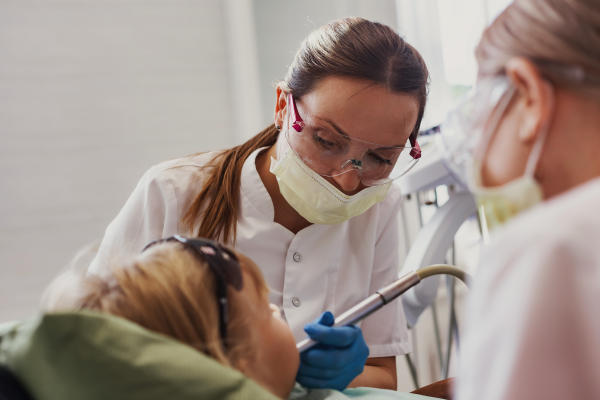
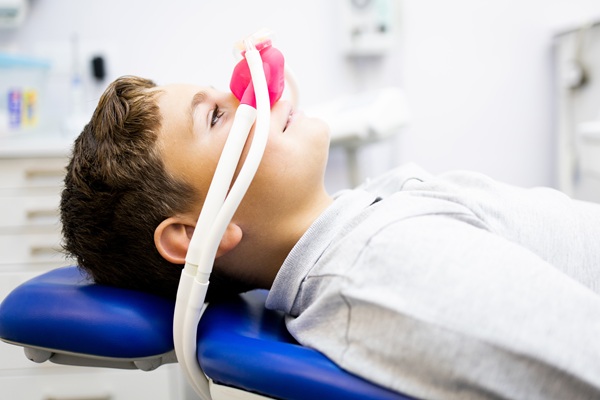
 Pediatric root canals can restore severely decayed and damaged teeth, including baby teeth. Any tooth experiencing decay that has reached the root will cause pain and other uncomfortable symptoms. It may also cause a baby tooth to fall out prematurely, negatively impacting smile development. Whether your child has been recommended a pediatric root canal for a baby tooth or an adult tooth, here is what you should know about these tooth-saving treatments.
How pediatric root canals work
A pediatric root canal works in the same way as root canal therapy for adults. However, it is performed by a pediatric dentist using tools designed for smaller, developing mouths. Further, the dentist can make adjustments to improve a young patient's comfort, such as explaining the procedure and each step in age-appropriate terms.
The procedure involves removing the infected pulp from the tooth's root. The pediatric dentist will then clean out the root and fill it with gutta-percha, a purified rubberlike material, before sealing it shut. The final step is to restore functionality to the treated tooth. Dentists often achieve this with a children's dental crown, which fits over the treated area and resembles the structure of a natural tooth. Crowns can also resemble the color of natural teeth, although metal crowns are also an option.
Recommendations for child patients
Pediatric root canals can address severe tooth damage or decay to the point that the tooth root is affected. According to the American Association of Endodontists, the root contains nerves, blood vessels, and connective tissues that can become inflamed and infected from deep decay, cracks, or chips. The dentist must remove the infected tissues to save the tooth and prevent the threat of it spreading.
Otherwise, the child will likely experience symptoms such as:
- Facial and neck swelling
- Toothaches and sensitivity
- Gum swelling and tenderness
- Bitter taste or breath that will not improve
- The tooth loosening unexpectedly
Therefore, a dentist may recommend a pediatric root canal regardless of whether the tooth is temporary (baby) or permanent (adult). It is common to want to wait until an infected baby tooth falls out on its own. However, infection can cause it to fall out prematurely. The other teeth can shift into this empty space, leading to misaligned teeth and interfering with adult tooth eruption.
Safety and efficacy of pediatric root canals
While tooth extraction is also an option, the dental industry recommends saving the natural tooth whenever possible. Doing so reduces complications for the patient's overall oral health. Fortunately, pediatric root canals are safe and effective in preserving natural teeth. On average, the whole process will take one to two appointments.
Preserve a decayed tooth with a pediatric root canal
If your child is in need of a pediatric root canal, contact our Richmond office. Our pediatric dentist and team can confirm whether this procedure would suit your child's dental condition. We can also discuss dental restorations, such as crowns, following the procedure.
Request an appointment or call Grand Parkway Pediatric Dental at 832-579-0960 for an appointment in our Richmond office.
Recent Posts
A pediatric root canal can save a baby, or primary, tooth when decay or infection reaches deep into the inner part of the tooth. After this restorative treatment, patients of all ages typically need a dental crown to cap the tooth and strengthen it. This can sound like a lot at first, especially for parents…
Learning that your child needs a baby root canal can be worrying for parents. This dental treatment preserves primary teeth, which are critical for long-term oral development. Although the appointment itself is straightforward, home care determines how effectively the tooth stabilizes. Preparing in advance can help you confidently support your little one’s recovery, ensuring the…
A children's root canal protects a natural tooth from further damage and allows them to maintain a healthy smile as the permanent teeth grow into place. This treatment removes the infection and stops the discomfort, but the way parents help them manage the hours after the visit plays a huge role in the final outcome.…