How Dental Fillings For Kids Are Tailored to the Patient
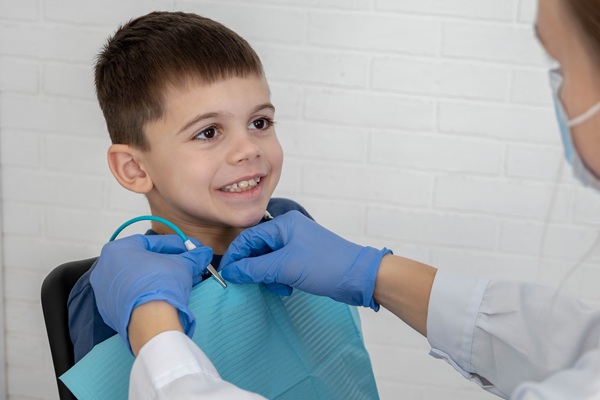
Finding out that a child has a cavity can be a stressful experience for any parent, leading to questions about treatment options. Dental fillings for kids are a common option, and one that supports long-term bite health and patient comfort. A pediatric dentist carefully crafts each filling to last as long as possible. This can save parents time and money while ensuring the healthy development of their child's smile.
Why children benefit from personalized cavity treatments
Cavities in baby (primary) teeth are best addressed with a strategic approach, because every smile and cavity is unique. Further, these teeth are important because they help guide a child's speech development, make eating painless, and hold space for adult (permanent) teeth to emerge. When children lose their primary teeth too early, such as due to an untreated cavity, the other teeth may shift into the space and cause a crooked or crowded smile later on.
Fortunately, a pediatric dentist evaluates the natural timeline for when a specific baby tooth is due to fall out. This helps them determine the most effective cavity treatment. A tooth that is expected to fall out within the next few months may receive a more conservative treatment than a molar that must remain functional for several years.
How cavity treatment planning begins
The first step in treating a cavity is a dental exam with digital imaging to get a clearer picture of the decayed areas. For instance, there may be hidden decay between teeth or even beneath the gums. Dental fillings for kids are best for mild to moderate decay, while larger cavities may need a crown, inlay, or onlay. These treatments cover more of the tooth surface to properly restore larger areas of decay.
Beyond the cavity itself, the pediatric dentist looks at bite alignment and potential habits, such as teeth grinding (bruxism), which can impact the longevity of a dental restoration. The patient’s age also plays a significant role in the choice of technique. Younger children with limited attention spans often benefit from efficient, streamlined procedures, while older children can typically sit through an appointment for more detailed restorative work.
Dental fillings for kids: Choosing the right material
Once the need for a dental filling is confirmed, the pediatric dentist will review the types and materials. Here are three common options:
- Composite resins. The most popular type, known for its natural appearance.
- Glass ionomers. A tooth-colored material often used in areas that are difficult to keep dry.
- Dental amalgam. Silver in color and known for its durability.
The best material for a patient depends on the tooth's location, the amount of chewing force it sustains, and personal preference. The child's ability to tolerate dental work also influences the final decision. Some materials require a very specific, multi-step application process that is only possible if the child can remain still for an extended period. If a patient is particularly wiggly or anxious, the dentist might opt for a material that can be placed quickly and reliably to support a successful outcome with minimal stress for the child.
Supporting patient comfort at every step
The success of dental fillings for kids depends heavily on the child’s emotional experience during the visit. Pediatric dentists use child-friendly communication techniques, such as the tell-show-do method, to demystify the equipment and the procedure. They will also use numbing gels and local anesthesia to ensure the treatment area will not feel pain before the work begins.
Maintaining dental fillings for kids
A successful cavity treatment is an important step in maintaining a healthy smile. Next comes caring for the filling. Regular checkups and cleanings are key to keeping the filling intact and the surrounding tooth structure healthy. Parents can also support their child's filling with a few good habits at home:
- Monitor brushing habits until the child develops the manual dexterity to clean all tooth surfaces effectively.
- Incorporate daily flossing to prevent issues such as decay between teeth.
- Choose water as the primary beverage between meals to limit the amount of time sugar and acids spend in contact with the teeth.
When children and their families prioritize these simple habits, dental fillings for kids can last for years until they need to be touched up or replaced. The risk of future decay drops significantly, as well.
Learn more in an appointment
Dental fillings for kids are a common treatment, which is why our pediatric dentist is skilled in tailoring them to each patient. Our team can also provide regular checkups to help prevent future cavities. Schedule an appointment today.
Request an appointment here: https://www.grandparkwaypediatricdental.com or call Grand Parkway Pediatric Dental at (832) 579-0960 for an appointment in our Richmond office.
Check out what others are saying about our dental services on Yelp: Dental Fillings For Kids in Richmond, TX.
Recent Posts
Pediatric dental fillings can restore front teeth affected by cavities or minor damage while preserving a child’s healthy smile and supporting normal speech and eating habits. Although many people associate fillings with back teeth, front teeth sometimes require treatment as well. As a pediatric dentist, preserving baby teeth whenever possible remains an important part of…
Parents will regularly ask about white fillings for kids when seeking to maintain the natural appearance of their child's smile while effectively treating decay. Are you concerned about the materials used in restorations? Rest assured, modern pediatric dentistry provides safe, tooth-colored alternatives to traditional amalgam options.Dental cavities are a common condition that affects children of…
Dental fillings for kids are crucial for treating the common childhood dental problem of tooth decay and protecting kids' oral health. Kids are especially susceptible to tooth decay; cavities happen even with the most diligent prevention efforts. Because this common childhood oral health issue can be detrimental, prompt treatment is crucial.Dental fillings are one of…
With a dental filling, a pediatric dentist can restore a tooth with minor to moderate decay or a cavity. Parents can select from several dental fillings for kids, from silver to glass ionomer. During a consultation, a pediatric dentist can guide the parent on when each type is the most effective choice for the patient.Dental…