Painless Pediatric Dentistry For Sensitive Teeth

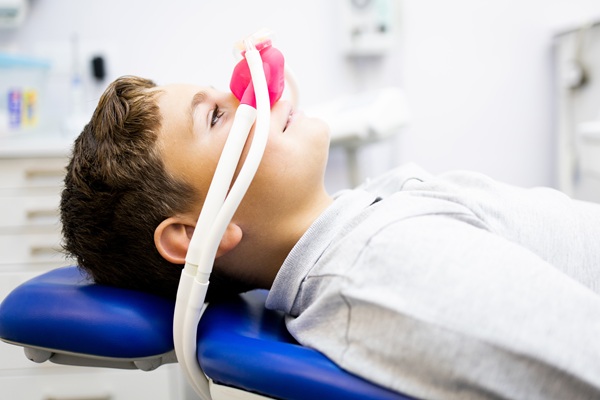
Painless pediatric dentistry helps reduce discomfort, build trust, and make dental visits feel much less intimidating. Taking this comfort-focused approach can be especially helpful for children who already experience dental pain, such as tooth sensitivity. Since this condition may develop for several reasons, including cavities, enamel defects, worn enamel, gum irritation, or erupting teeth, it is often best to address it early with gentle, kid-friendly dental treatment.
Why children may have sensitive teeth
Tooth sensitivity in children is not always caused by the same issue. In some cases, a child may have early tooth decay that makes cold, sweet, or chewy foods uncomfortable. In others, the problem may involve enamel that did not form normally, as seen with conditions such as molar-incisor hypomineralization or other developmental enamel defects. Teeth grinding can also contribute to sensitivity by wearing down tooth surfaces over time.
No matter the cause, painless pediatric dentistry is often a top choice for this condition. A child with sensitive teeth may feel extra cautious before treatment begins, as they are already experiencing dental pain and discomfort. If a dental team then moves too quickly or treats every case the same way, that fear can grow. Thankfully, a pediatric dentist will instead look for the source of the problem, explain the process calmly, and choose treatment options that protect the child’s comfort as much as possible.
Finding the cause of sensitive teeth: The dental exam
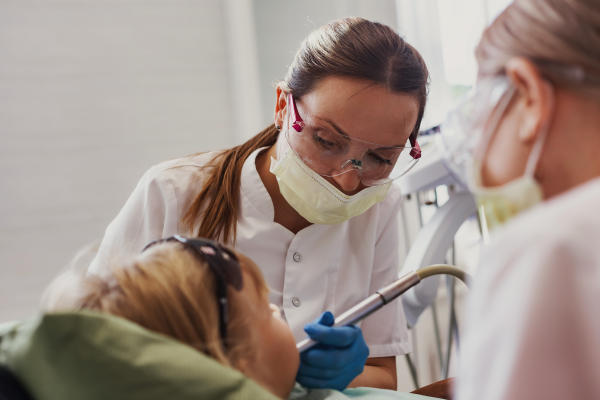
A dental examination is the first step in treating sensitive teeth because it helps the pediatric dentist identify the exact cause of discomfort. During this visit, the dentist looks for problems such as cavities, enamel defects, worn tooth surfaces, or irritation around the gums. A child with sensitive teeth may react strongly to cold air, cool water, pressure, or even the taste of certain dental products, so the exam is often adjusted to support their comfort.
This dental exam is different from those done for adults. The dentist may take extra time, use gentler language, and introduce instruments slowly so the child feels more secure throughout the visit. This also helps the child understand that the point of the exam is to find the source of the sensitivity and make the mouth feel better.
Treatments for sensitive teeth in children
Once the cause of the patient’s tooth sensitivity is clear, the pediatric dentist can recommend a treatment that fits the child’s specific needs. The goal is to reduce discomfort, protect the tooth, and prevent the problem from worsening. Depending on the cause, treatment may include:
- Fluoride treatments. To strengthen thinning enamel and reduce sensitivity.
- Dental sealants. To protect weak or vulnerable tooth surfaces.
- Dental fillings or crowns. To repair cavities or damaged areas of the tooth.
- Mouth guards. To cushion the teeth against grinding, usually while sleeping.
Each treatment is selected based on the cause of the sensitivity and the amount of protection the tooth needs. For example, an early-stage cavity can be treated with a filling, while moderate-to-severe decay may be restored with a dental crown.
Sensitive teeth can affect more than comfort
Tooth sensitivity may seem like a small problem at first, but it can affect a child’s daily routine in noticeable ways. Some children start to avoid certain foods, chew on only one side of the mouth, resist brushing, or feel anxious before meals and at bedtime.
A pediatric dentist considers those patterns in the context of the bigger picture. Painless pediatric dentistry aims not only to reduce discomfort during treatment but also to help the child return to normal eating, brushing, and smiling with more confidence. This is one reason early and comfort-focused care can be so valuable for sensitive teeth.
Why early treatment often feels easier
Many dental problems, including sensitive teeth, become more uncomfortable if left to progress. A small cavity may begin with mild sensitivity, but over time, it can lead to constant tooth pain or recurring toothaches. Early care allows the pediatric dentist to step in before the problem and its treatment become harder for the child to tolerate.
This is where painless pediatric dentistry offers real value. When treatment happens earlier, it is typically shorter, less invasive, and easier for the child to manage. In addition, a child who has a positive experience with one appointment is also more likely to feel calmer at future checkups and cleanings.
Learn more about painless pediatric dentistry
Painless pediatric dentistry gives children with sensitive teeth a better chance of receiving the care they need without added fear. Since sensitivity may come from decay, enamel defects, grinding, or other causes, the treatment plan is always tailored to the child. To book an appointment, contact us today.
Request an appointment here: https://www.grandparkwaypediatricdental.com or call Grand Parkway Pediatric Dental at (832) 579-0960 for an appointment in our Richmond office.
Check out what others are saying about our dental services on Yelp: Painless Pediatric Dentistry in Richmond, TX.
Recent Posts
Kids dental crowns are caps that cover and replace natural tooth structures to restore their shape, function, and appearance. They are a popular restorative treatment that can address various dental issues. By investing in kids dental crowns, you are not only restoring the look of your child’s smile, but you are also safeguarding their future…
A sedation dentist can help make dental restorations, such as dental crown placement, a calm and tear-free experience for your child. If dental visits and procedures make your little one feel anxious or stressed, learning about relaxation techniques can help ease your worries. Sedation dentistry can help children feel comfortable and build the confidence to…
Kids dental crowns can restore decayed and damaged teeth, even when fillings are not an option. They can also be combined with other restorations, such as dental bridges, to replace missing teeth. Covering, reinforcing, or replacing teeth with crowns promotes good oral health. Crowns also support a child’s oral development, improving speech development, social skills,…
Kids dental crowns can treat many dental issues, including cavities that are too large for traditional filling material. Cavities can eat away and weaken children's teeth, requiring restorative treatments to protect the teeth's structure and function. Here are the details about when dental crowns can help after a cavity treatment.A pediatric dentist may suggest a…