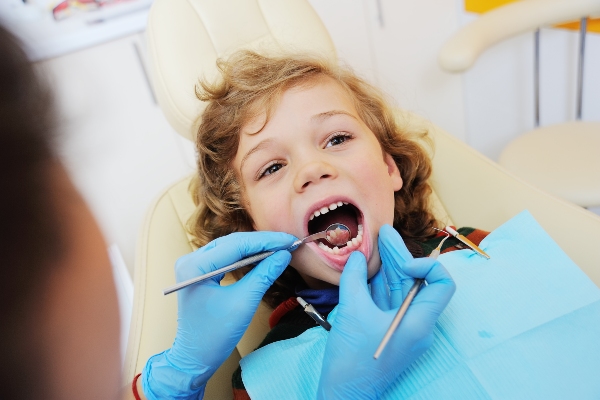
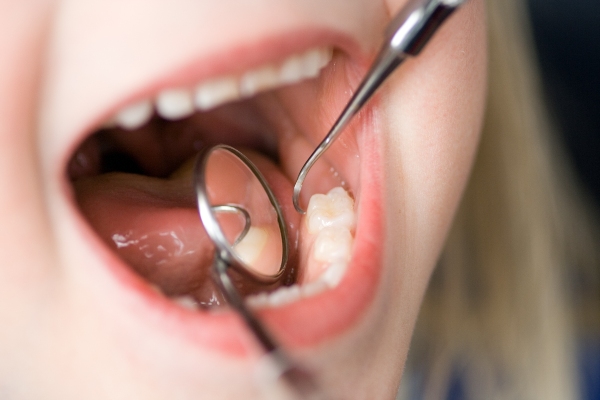
Common Questions To Ask at a Child Dental Cleaning

A child dental cleaning is part of their essential oral health care. It requires regular professional intervention, including dental cleanings, to ensure the teeth and gums develop correctly. This appointment serves as a vital opportunity for parents to gain insight into the oral health of their children and to address any concerns that may have arisen since the last visit. Because children undergo rapid physical changes, their dental needs can shift quickly between appointments. Being prepared with the right questions can help a family make the most of their time with the dental team.
Assessing oral hygiene techniques
One of the most important questions to ask during a child's dental cleaning is the effectiveness of the child's current home care routine. Parents often wonder if they are using the correct amount of fluoride toothpaste or if their child has the manual dexterity to brush effectively on their own. The dental professional can demonstrate proper angles and pressure, showing exactly where plaque tends to accumulate. This guidance is essential because children often miss hard-to-reach areas, such as the back molars or the inside surfaces of the lower teeth.
In addition to brushing, flossing is a critical habit that should begin as soon as two teeth touch. Parents may ask about the best tools for this task, such as traditional floss or handheld flossers designed for smaller mouths. Since the spacing between a child’s teeth can change as they grow, the dental team can offer personalized advice on which methods will work most efficiently. Regular feedback on hygiene techniques ensures that the effort put in at home translates into a clean and cavity-free mouth.
Understanding developmental milestones
As a child grows, their primary teeth eventually give way to permanent replacements, and parents often have questions about the timing of these transitions. During a child's dental cleaning, it is helpful to ask which teeth are expected to arrive next and whether the current alignment is progressing as it should. The dental provider can monitor the loss of baby teeth to ensure they fall out in the correct sequence, helping prevent crowding or spacing issues later. Observations made during these cleanings provide a roadmap for future dental development.
Another common concern involves habits such as thumb sucking or the use of a pacifier. Parents may seek guidance on when to stop these habits to avoid affecting the shape of the jaw or the position of the front teeth. The dental team can evaluate the current structure of the mouth and provide a timeline for when intervention might be necessary. Addressing these developmental milestones early allows for simpler corrections and helps ensure the permanent teeth have the space they need to emerge properly.
Exploring preventive treatments
Prevention is a cornerstone of pediatric dentistry, and asking about supplemental treatments can provide an extra layer of protection for a child's teeth. Dental sealants are a frequent topic of discussion during a child's dental cleaning. These thin, protective coatings are applied to the chewing surfaces of the back teeth to prevent food and bacteria from getting trapped in deep grooves. Asking if a child is a candidate for sealants can help parents make informed decisions about long-term cavity prevention, especially as the permanent molars begin to appear.
Fluoride treatments are another common preventive measure that parents may have questions about. While many communities have fluoridated water, a professional application provides a more concentrated benefit that strengthens the tooth enamel. Parents can ask about the frequency of these treatments and how they contribute to overall dental resilience. By understanding the available preventive options, families can work together with the dental office to create a comprehensive plan that minimizes the risk of tooth decay and other common oral health issues.
Managing diet and nutrition
Diet plays a significant role in the health of a child’s smile, and parents often use the cleaning appointment to ask about tooth-friendly snack and beverage choices. It is common to inquire about the impact of fruit juices, sticky snacks, or starchy foods on the enamel. The dental team can explain how certain foods contribute to acid production in the mouth, which can weaken enamel over time. Learning about better alternatives or the importance of rinsing with water after meals can empower parents to make healthier choices for their families.
Furthermore, the frequency of snacking is often just as important as the types of food consumed. Parents may ask for advice on how to structure meal times to give the mouth a break from sugar exposure. This nutritional guidance is an integral part of the child's dental cleaning process because it addresses the root causes of many dental problems.
Next steps for your family
When parents are armed with practical dietary strategies, they can support the work done during the professional cleaning and help their children maintain a bright and healthy smile. For more information or to schedule an appointment, call our office.
To schedule a consultation, please request an appointment on our website at https://www.grandparkwaypediatricdental.com or call Grand Parkway Pediatric Dental at (832) 579-0960 to arrange an appointment at our Richmond office.
Check out what others are saying about our dental services on Yelp: Child Dental Cleaning in Richmond, TX.
Recent Posts
. Our skilled team will keep you comfortable as we restore your teeth. If you have any further questions about the procedure or dental crowns, do not hesitate to call.Request an appointment or call Grand Parkway Pediatric Dental at 832-579-0960 for an appointment in our Richmond office.
Kids dental crowns are a reliable and effective tool for restoring damaged teeth. While most parents think of dental crowns in relation to root canals, crowns can also restore beauty and function to cracked teeth. If your child has fractured a tooth, a dental crown may be the most ideal solution.Kids dental crown sits on…
Kids dental crowns are caps that cover and replace natural tooth structures to restore their shape, function, and appearance. They are a popular restorative treatment that can address various dental issues. By investing in kids dental crowns, you are not only restoring the look of your child’s smile, but you are also safeguarding their future…
Managing acute tooth pain before an upcoming pediatric cavity treatment requires careful attention from parents. Dental discomfort causes immense distress for young patients and demands prompt intervention at home. Understanding how to soothe this pain keeps a child comfortable until a professional dental examination occurs.Tooth pain in young children often arises from deep decay that…