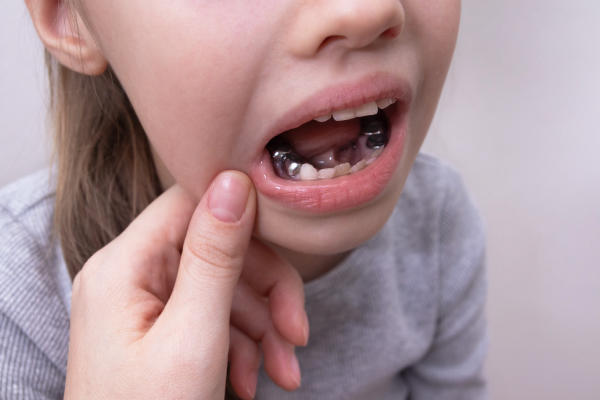
A Kid-Friendly Dentist Answers 5 FAQs About Baby Teeth

A kid-friendly dentist will be by your child’s side during the formative years. While the dentist will take control of your child’s oral health, it is still important to educate yourself. Find out what you need to know about baby teeth.
Frequently asked questions
1. Baby teeth typically erupt within six months to a year
Baby teeth come in at different times, but most children get their first teeth within six months to a year of being born. Parents need to pay attention to when the first tooth erupts and take the baby to the dentist at the proper time. Parents should schedule an appointment with a kid-friendly dentist within six months of the first tooth erupting or by one year of age, whichever comes sooner. Dentists need to be involved with a child’s oral health at this point, so this is very important.
2. The enamel is vulnerable
Enamel is incredibly hard, even on baby teeth. However, it is still vulnerable, and if bacteria penetrate it, the teeth will decay. Protect the enamel by limiting sugary juices and giving the baby lots of water. Babies should not go to bed with a bottle in their mouths either, as that can lead to baby bottle tooth decay. In addition, teeth need to be brushed twice daily.
3. Baby teeth are necessary for spacing
Baby teeth have an important role in the mouth. These teeth are spacers for permanent teeth, and even let the teeth know where to grow. These teeth need to stay in the mouth long enough to provide these functions, so children should not start losing them before the age of six.
A kid-friendly dentist can help if a child loses baby teeth too early. Parents should schedule an appointment if the child loses teeth before the age of six. The dentist will examine the mouth and create a strategy to help the permanent teeth come in properly.
4. Baby teeth come in quickly
All the baby teeth typically grow in within three years. At the end of three years, children typically have 20 teeth.
5. Baby teeth need fluoride
Fluoride helps prevent cavities, so parents need to add it to the child’s diet by six months of age. Adding fluoride to the diet is as simple as giving the baby tap water. A few ounces of tap water each day will harden the enamel, making it harder for teeth to decay. When babies turn three years old, they are ready for fluoride toothpaste. Use a small amount of the toothpaste on a soft-bristled brush.
Protecting baby teeth
A kid-friendly dentist will help you keep your child’s baby teeth healthy. Schedule an appointment when it is time and ensure your baby’s teeth are growing in properly. Also, talk to the dentist about any questions or concerns you may have regarding your child's baby teeth.
Request an appointment here: https://www.grandparkwaypediatricdental.com or call Grand Parkway Pediatric Dental at (832) 579-0960 for an appointment in our Richmond office.
Check out what others are saying about our dental services on Yelp: Family Dentist.
Recent Posts
A pediatric dentist provides support within family dentistry. They exclusively focus on the oral health and developmental needs of young patients. The presence of a pediatric dentist ensures that children receive appropriate dental care that strengthens their long-term dental health. This approach promotes preventive dental care, patient comfort, and education in a way that is…
For family dentists, prevention is key, which is why they often recommend dental sealants for children and teens to reduce the risk of cavities. Sealants add a protective barrier over the chewing surfaces of back teeth, where grooves can trap food and bacteria. Since many cavities begin in these deep pits, sealants offer an extra…
A healthy smile is important at any age, but when dental issues arise, knowing when to seek professional care is important. A family dentist can address many dental concerns, including tooth damage that requires repair. Whether a child chips a tooth while playing or develops a cavity, a timely visit to the dentist can prevent…
Curious about what family dentists do? Read on to learn more. Good oral hygiene is essential for children's overall health and wellness. A family dentist can help ensure children's oral hygiene and maintain healthy gums and teeth. However, this is only possible if parents take their children to the dental office for regular dental checkups.Routine…