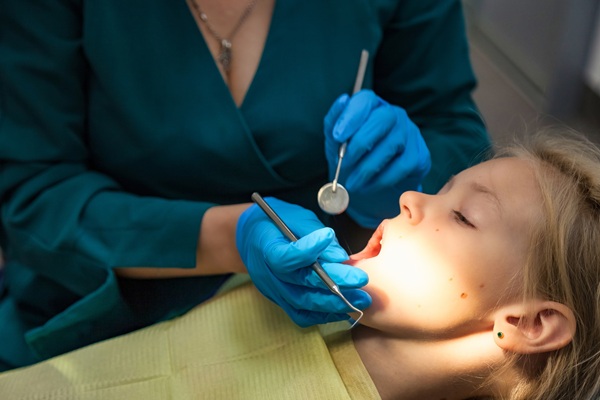
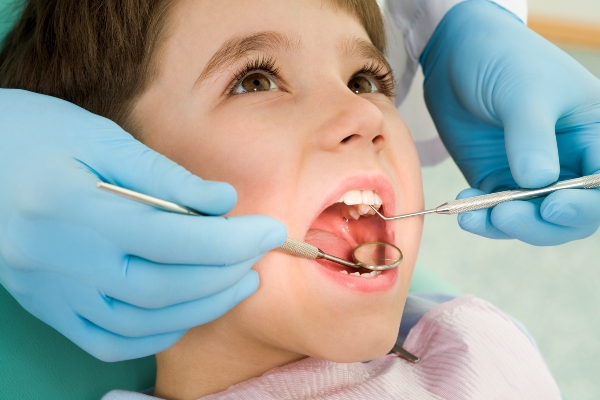
 A dentist might recommend fluoride treatment for a child for several reasons. The most common use of fluoride treatments in pediatric dentistry is to protect teeth against decay. A fluoride treatment is inexpensive and typically completed in minutes. Many dentists perform them routinely after cleaning treatments to keep their patients' teeth healthy.
Interesting facts about fluoride treatment
Let us take a look at some interesting facts about fluoride treatment you might not be aware of:
1. Fluoride can reverse tooth decay
You may be surprised to discover tooth decay is reversible, but fluoride treatments are that powerful. Tooth decay results from oral bacteria making acids that destroy teeth. Decay takes place in different stages, and the first stage, known as the demineralization stage, can be reversed with fluoride treatment.
Unfortunately, tooth decay is challenging to detect on your own during this stage, which is why regular dental checkups are essential. A dentist is more likely to catch the decay during their examinations so it can be reversed before permanent damage sets in.
2. Fluoride treatments can help kids who grind their teeth
If your child grinds their teeth, they risk developing enamel damage and gum disease. Fluoride treatment can help to protect their teeth against this type of damage.
3. Fluoride treatments make teeth more resistant to staining
If you are concerned about your child's teeth becoming stained, a fluoride treatment can help. Fluoride makes the tooth enamel more resistant to staining from foods and drinks. It also helps restore teeth's structural integrity after teeth whitening treatments. Whitening teeth involves using chemicals like hydrogen peroxide that weaken enamel.
4. Fluoride treatments can reduce the risk of cavities
Fluoride effectively reduces the risk of cavities because it helps remineralize the tooth enamel. It helps replenish the minerals lost when teeth are exposed to acidic foods and drinks. Fluoride also helps to reduce oral bacteria in the mouth, which can lead to cavities.
5. Fluoride treatments are safe
Fluoride treatments are safe for both children and adults. The American Dental Association (ADA) recommends fluoride treatments for children at a high risk of developing cavities. Fluoride is a naturally occurring element found in water, food, and soil.
While too much fluoride can be harmful, the ADA says it is very difficult to overdose on fluoride because it is not absorbed well by the body. Fluoride toxicity only occurs when someone swallows large amounts of fluoride, which is rare.
The process of getting a fluoride treatment
Fluoride treatments are quick and easy and can be performed at the dentist's office or home. The dentist will use a small brush to apply a fluoride gel, foam, or varnish to the teeth. The gel or foam is usually left on the teeth for one to four minutes before being rinsed off.
The varnish is left on the teeth for longer, typically taking about 30 minutes to harden. Once it hardens, you can eat and drink as usual. Fluoride treatments are typically performed every three to six months.
Protect your child’s teeth
Fluoride treatments are a quick and easy way to prevent cavities and keep your child's teeth healthy. This naturally found mineral is safe and effective for protecting teeth. Call or stop by our Richmond clinic to set up an appointment.
Request an appointment or call Grand Parkway Pediatric Dental at 832-579-0960 for an appointment in our Richmond office.
Recent Posts
Kids dental crowns are a versatile solution in pediatric dentistry. They help protect damaged teeth and support the replacement of missing ones, making them a reliable option for long-term oral health. They can also improve the appearance of the smile. Pediatric dentists recommend crowns to restore function, protect developing teeth, and ensure a healthy, lasting…
Kids dental crowns are a popular option for restoring a smile and offer benefits to children of all ages. A dental crown is a customized, tooth-shaped cap placed over a damaged or compromised tooth to help restore its shape, size, appearance, and strength. Discover common signs indicating a kids dental crown is right for your…
Kids dental crowns reinforce a decayed or damaged tooth, restoring its function and beauty. These are just two of the many benefits of crowns. For instance, they also require minimal aftercare. Children of all ages can benefit in different ways from these versatile restorations.Kids dental crowns can restore a variety of dental conditions. They are…