A Step-By-Step Look at Deep Pediatric Dental Cleanings

A deep pediatric dental cleaning gives the gums extra care and attention. It is common for plaque and tartar to collect beneath the gum line in childhood, as younger patients are still learning how to brush and floss properly. Even in older patients, bacterial buildup can reach all the nooks and crannies that a toothbrush cannot clean well. With a deep cleaning, a pediatric dentist can clean those harder-to-reach areas, help sore gums settle down, and give a young patient a healthier starting point.
Understanding deep cleanings
A regular dental cleaning focuses on the visible parts of the teeth and along the gum line. A deep cleaning goes a bit farther. Also known as scaling and root planing, it goes beneath the gum line by cleaning out deep gum (periodontal) pockets around the roots of the teeth. The pediatric dentist will scale away plaque and tartar buildup in these areas, then smooth the tooth roots (root planing) to help prevent recurring buildup. Root planing also helps the gums reattach to the tooth roots, reducing periodontal pocket depth.
Reasons for a deep pediatric dental cleaning
A pediatric dentist may recommend a deep pediatric dental cleaning when a child has:
- Gums that bleed during brushing or flossing
- Tartar buildup below the gum line
- Red, swollen, or tender gum tissue
- Bad breath that comes back quickly after brushing
- Deeper spaces around the teeth where bacteria can collect
- Plaque buildup around braces, permanent retainers, or crowded teeth
These situations are common, and they do not mean a parent or guardian has done anything wrong. They mean the child needs a little more support to get the gums back on track.
Step-by-step: What happens during the actual appointment
Arriving at the office
When parents and guardians arrive for a child’s deep dental cleaning, the appointment often begins with a quick review of the child’s health history. The pediatric dentist and their team may ask about recent illnesses, medications, allergies, dental anxiety, or any symptoms the caregiver has noticed at home. This review helps ensure that the child can receive care safely and comfortably on the day of the appointment. It also gives caregivers a chance to ask questions before the cleaning begins.
Settling into the dental chair
Next, the child settles into the dental chair. The dentist or dental hygienist may explain the visit in child-friendly language and show a few tools before using them. For example, the team may describe the suction as a “tiny straw” or the water spray as a “tooth shower.” That way, the child knows what to expect.
The pediatric dentist then checks the teeth and gums closely. This may include reviewing X-rays, looking for new tartar buildup, checking for new swelling or bleeding, and gently re-measuring the spaces between the teeth and gums. These measurements help confirm where plaque and tartar have collected below the gum line. Caregivers may receive an explanation of which specific areas need deeper cleaning.
The deep cleaning
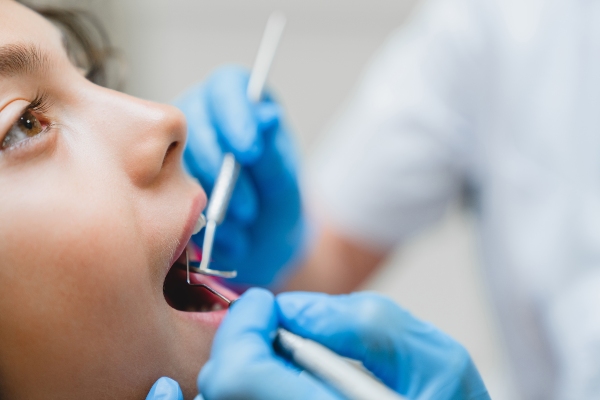
Once the child feels ready, the scaling begins. This step removes plaque and tartar from the teeth, including areas below the gum line. The dentist may use small hand instruments, an ultrasonic cleaner with water, or both. Caregivers can expect the child to hear gentle scraping, water sounds, suction, or light vibration during this part of the visit.
Next, the dentist will smooth the tooth roots, especially areas where tartar has formed rough spots. This step, root planing, helps create a cleaner surface where bacteria have fewer places to collect. The goal is to help the gums heal and fit more comfortably around the teeth. The dental team may work through the mouth in sections, allowing the child to rest between steps if needed.
Closing out the appointment
After the deep cleaning, the dentist rinses the mouth and may polish the teeth. They may also apply fluoride or recommend a special rinse, depending on the child’s needs and caregivers' preferences.
What to expect after a deep pediatric dental cleaning
A child may have mild gum soreness after a deep pediatric dental cleaning, particularly if the gums were irritated before the visit. This typically gets better within a day or two.
Children should keep brushing in the meantime, even if the gums feel a little sensitive. A soft-bristled toothbrush works best, and caregivers may need to help with brushing or flossing for a few days. The pediatric dentist may also recommend a rinse or special home-care instructions.
Schedule an appointment
A deep pediatric dental cleaning gives the gums a fresh start. Bleeding, swelling, tenderness, or bad breath that keeps returning deserve attention from a pediatric dentist. Contact ours at Grand Parkway Pediatric Dental today.
Request an appointment here: https://www.grandparkwaypediatricdental.com or call Grand Parkway Pediatric Dental at (832) 579-0960 for an appointment in our Richmond office.
Check out what others are saying about our services on Yelp: Deep Pediatric Dental Cleaning in Richmond, TX.
Recent Posts
Kids dental crowns stand out among dental restorations as versatile and effective solutions for various oral health issues. A dental crown, or "cap," covers and encases a damaged or weakened tooth, restoring its strength, function, and appearance. Its design is vital for children with damaged teeth, protecting their natural teeth while allowing their oral state…
Dental veneers or kids dental crowns may both be viable solutions to improve the appearance and functionality of adult teeth. However, dental crowns are the best suited for repairing a child’s teeth. Discover why dentists recommend dental crowns for children.Dental veneers are thin porcelain or composite resin shells that the dentist will custom-design to fit…
Questions about teeth whitening for kids often begin when permanent teeth look darker than nearby baby teeth. While that difference can be normal because permanent teeth contain more dentin, which has a warmer tone, discoloration can also come from stains, injury, medications, developmental changes, or dental problems. Before whitening begins, our pediatric dentist can identify…
Kids orthodontics can help a pediatric dentist spot developing tooth and bite concerns before they become harder to manage. Some children may benefit from early treatment that guides jaw growth, creates space, or helps permanent teeth come in more comfortably. A dentist can examine the teeth, bite, and oral habits to decide whether a child…