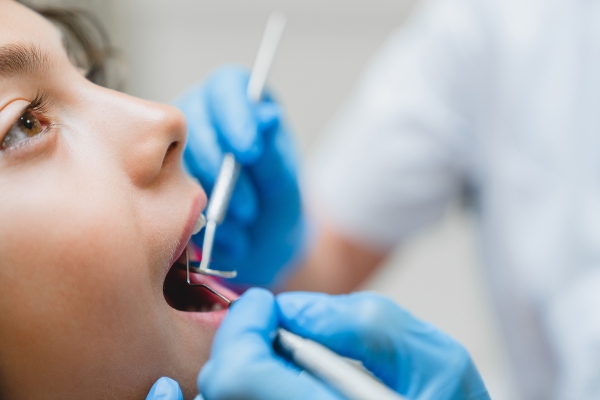
Are There White Fillings For Kids?

Parents will regularly ask about white fillings for kids when seeking to maintain the natural appearance of their child's smile while effectively treating decay. Are you concerned about the materials used in restorations? Rest assured, modern pediatric dentistry provides safe, tooth-colored alternatives to traditional amalgam options.
Dental decay in primary teeth: what parents should know
Dental cavities are a common condition that affects children of all ages. Primary teeth, or baby teeth, possess thinner enamel compared to permanent teeth. When tooth decay develops, bacteria in the child's mouth produce acids that erode the protective enamel layer, leading to cavities.
Fortunately, early treatment prevents infection, discomfort, and potential damage to the developing permanent tooth beneath the gum tissue. When a pediatric dentist identifies the cavity, they remove the compromised portion of the tooth and restore its structural integrity with a filling material. While silver amalgam material was once the standard, composite resin, or white fillings, have emerged as a superior cosmetic and functional choice for many young children.
What composite resin fillings are made of
White fillings for kids are made of composite resin, which is a blend of plastic polymers and fine glass particles. This material mimics the natural translucency and shade of natural tooth structure. The dentist applies the resin in a malleable state, allowing them to sculpt the restoration to match the original shape of the tooth.
Unlike silver fillings, composite materials do not contain mercury or other heavy metals. Rather, the hardening process involves a high-intensity curing light that initiates a chemical bond between the resin and the tooth. Additionally, these restorations are durable, allowing them to withstand daily chewing and biting. The material is bonded directly to the enamel and dentin, which requires less invasive drilling than traditional amalgam fillings.
The benefits of white fillings for kids
The selection of composite resin provides several distinct benefits for pediatric patients and their long-term oral health. These restorations address both the functional requirements of the tooth and the aesthetic concerns of the parent and child.
- Blends in with the surrounding teeth
- Preserves more healthy tooth structure
- Reinforces the tooth's natural structure to prevent future fractures
- Reduces the risk of post-filling sensitivity
- Provides a biocompatible alternative and metal-free approach to dental restoration
These factors make composite restorations an ideal choice for children who may be self-conscious about their appearance or who require a more conservative approach to dental work.
White filling for kids: what to expect during the procedure
The process for placing white fillings for kids is efficient and typically concludes within a single office visit. The dental team prioritizes the comfort of the child throughout the duration of the treatment. The dentist performs a clinical examination and reviews diagnostic imaging to determine the extent of the decay. Then, they will numb the treatment area with local anesthesia to protect the patient's comfort.
Once the child is numb, the dental team removes compromised enamel and bacteria using specialized dental instruments. Then, they apply an acidic etching gel to create a porous surface for the bonding agent. The dentist applies the composite resin in thin layers and shapes it to restore the shape of the tooth, hardening each layer with a curing light to create a solid, durable surface.
Finally, the dental team polishes the restoration to ensure a smooth finish that does not interfere with the child's natural bite. Following the procedure, the child may experience mild numbness in the lips or tongue due to the local anesthetic. However, this sensation typically dissipates within a few hours.
How to support long-term results
While white fillings for kids are highly durable, the longevity of the restoration depends on consistent home care and dietary choices. Proper maintenance prevents secondary decay from forming around the edges of or under the filling. Some habits that parents and caregivers can encourage include:
- Bi-annual checkups: Regular professional cleanings allow the dentist to monitor the integrity of the filling and detect early signs of wear.
- Fluoride application: Using fluoride toothpaste or varnishes helps the enamel to remineralize surrounding the restoration.
- Nutritional awareness: Reducing the child's consumption of sugary and acidic beverages prevents the erosion of the composite material.
- Daily flossing: Removing plaque from between the teeth can prevent cavities from forming in the tight spaces, particularly between molars.
- Protective sealants: Applying dental sealants to adjacent healthy teeth can prevent the need for future fillings.
Maintaining these habits ensures that the filling and the child's primary teeth remain healthy until they naturally fall out.
Schedule an appointment at our Richmond office
White fillings for kids offer a safe, effective solution to tooth decay, prioritizing your child's primary teeth and long-term oral health. By choosing a material that bonds effectively and looks natural, you can ensure that your little one receives the best possible care for their developing smile. If you have any further questions about our dental filling treatment options, contact our Richmond office to schedule an appointment.
Request an appointment here: https://www.grandparkwaypediatricdental.com or call Grand Parkway Pediatric Dental at (832) 579-0960 for an appointment in our Richmond office.
Check out what others are saying about our services on Yelp: Read our Yelp reviews.
Recent Posts
Dental veneers or kids dental crowns may both be viable solutions to improve the appearance and functionality of adult teeth. However, dental crowns are the best suited for repairing a child’s teeth. Discover why dentists recommend dental crowns for children.Dental veneers are thin porcelain or composite resin shells that the dentist will custom-design to fit…
Questions about teeth whitening for kids often begin when permanent teeth look darker than nearby baby teeth. While that difference can be normal because permanent teeth contain more dentin, which has a warmer tone, discoloration can also come from stains, injury, medications, developmental changes, or dental problems. Before whitening begins, our pediatric dentist can identify…
Kids dental crowns are a common treatment in pediatric dentistry that restores and protects damaged primary and permanent teeth. Also referred to as dental caps, these restorations help maintain a child's oral health by covering and strengthening weakened teeth. Pediatric dentists often recommend crowns when other restorative treatments, such as dental fillings, are not enough…
. Our skilled team will keep you comfortable as we restore your teeth. If you have any further questions about the procedure or dental crowns, do not hesitate to call.Request an appointment or call Grand Parkway Pediatric Dental at 832-579-0960 for an appointment in our Richmond office.