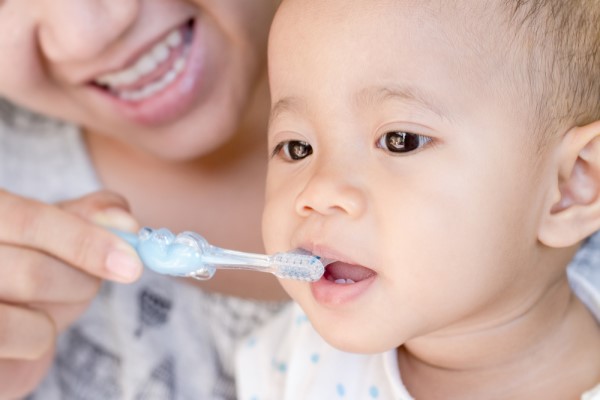
A pediatric dentist can explain that cleaning an infant’s teeth is an important part of routine oral care. Though an infant's teeth are small and there may not be many of them, failing to take proper care of the teeth and gums could lead to oral health problems as the child grows older. Developing good dental habits now can prevent more serious dental issues in the future.
When to start brushing an infant’s teeth
A parent or guardian should not wait until the first baby tooth erupts to establish good hygiene. In rare cases, a baby may be born with a first tooth, but it is more common for teething to begin around six months. Until the first tooth starts to break through the gums, take time to clean the gums regularly. This should start just a few days after birth. Take a damp, clean washcloth or an infant toothbrush to gently wipe the gums. With a teething baby, using a cold washcloth can help relieve some of the soreness in the gums.
First tooth processes
Once the first tooth breaks through, it is a good time to make an appointment at a pediatric dentist. It is also the time to get serious about brushing. Babies who fall asleep while nursing or with a bottle have an increased risk of developing tooth decay. Plaque buildup can start on the surface once the tooth is exposed, making it important to thoroughly brush the tooth with a toothpaste approved for infant use.
If a child still has no teeth by the time the first birthday rolls around, this is a good time to schedule an appointment with the pediatric dentist. However, continue brushing or wiping the gums each day.
How to brush an infant’s teeth
Putting something into a baby’s mouth might be intimidating, because infants may try to push away the toothbrush with their tongue or gag on the cloth or toothbrush. One technique to try is the knee-to-knee position, where two adults sit facing each other with their knees touching. Lay the infant across both laps with the child's back resting on the knees. The adult holding the infant’s head in their lap should take one hand and gently lift the lips on the infant while the other hand brushes the teeth. The other adult should steady the child, gently restraining the hands or arms, and try to distract them.
If there is no other adult around, gently lay the infant across the lap and knees. Keep the child stable, then use one hand to open the lips to insert the brush. If the infant does not yet have any molars, it can help to place a finger between the back gums to help keep the mouth open for brushing.
Conclusion
Brushing an infant’s teeth can make difference when it is time to schedule a pediatric dentist appointment. Early intervention with oral hygiene can prevent tooth decay and gum disease, as well as make the child more comfortable with a brushing routine.
Are you considering a pediatric dentist in the Richmond area? Get more information at https://www.grandparkwaypediatricdental.com.
Check out what others are saying about our dental services on Yelp: Pediatric Dentist in Richmond, TX.
Recent Posts
. Our skilled team will keep you comfortable as we restore your teeth. If you have any further questions about the procedure or dental crowns, do not hesitate to call.Request an appointment or call Grand Parkway Pediatric Dental at 832-579-0960 for an appointment in our Richmond office.
Kids dental crowns are a reliable and effective tool for restoring damaged teeth. While most parents think of dental crowns in relation to root canals, crowns can also restore beauty and function to cracked teeth. If your child has fractured a tooth, a dental crown may be the most ideal solution.Kids dental crown sits on…
Kids dental crowns are caps that cover and replace natural tooth structures to restore their shape, function, and appearance. They are a popular restorative treatment that can address various dental issues. By investing in kids dental crowns, you are not only restoring the look of your child’s smile, but you are also safeguarding their future…
Kids dental crowns can restore decayed and damaged teeth, even when fillings are not an option. They can also be combined with other restorations, such as dental bridges, to replace missing teeth. Covering, reinforcing, or replacing teeth with crowns promotes good oral health. Crowns also support a child’s oral development, improving speech development, social skills,…