Ask a Pediatric Dentist: What Is a Pulpotomy?

A pediatric dentist is highly trained and qualified to meet the dental needs of children. They often focus on different forms of oral care. These include prevention, early detection, treatment as well as education. Pediatric dentists can help to treat or prevent tooth decay, which is a prevalent childhood ailment. One of the procedures that can be used to treat tooth decay is a pulpotomy.
Pediatric dentist
A large percentage of kids develop cavities in their baby teeth. If the decay is severe, it may result in the pulp’s inflammation or pulpitis. A pediatric dentist will consider several things before recommending a pulpotomy in primary teeth. But most times, it will be suggested if the decay has extended to the pulp and the tooth is still vital.
The pulp of the tooth contains the top portion of the nerve as well as blood vessels. A child may experience a lot of pain when it is inflamed. Reversible pulpitis is often painful when it is touched. However, the pain subsides and over-the-counter medications can provide relief. Irreversible cases include excessive tooth mobility and an unprovoked toothache. They can also include inflamed soft tissue that is not due to periodontal disease.
Diagnosis
A dental examination can help to determine if a child needs to undergo a pulpotomy. This examination can either be by X-ray or by physical examination of the tooth. A pulpotomy can help if a kid has tooth decay that has affected the pulp. It is also performed when the decay is really close to the pulp in the crown that removing the decay will expose the pulp.
But there are other cases where a pulpotomy may also be ideal. If a child has irreversible pulpitis due to tooth decay, a pulpotomy will not be performed. In this case, the pulp in the tooth is severely damaged. The pediatric dentist will instead recommend a pulpectomy or tooth extraction.
Treatment options
There are two different ways that an inflamed nerve from decay can be treated. In the case of an indirect pulp cap, it is not necessary to remove the pulp chamber or the top portion of the nerve. A medication will instead be placed on top of it. This will help to reduce the inflammation. It will also promote healing and prevent the progression of decay.
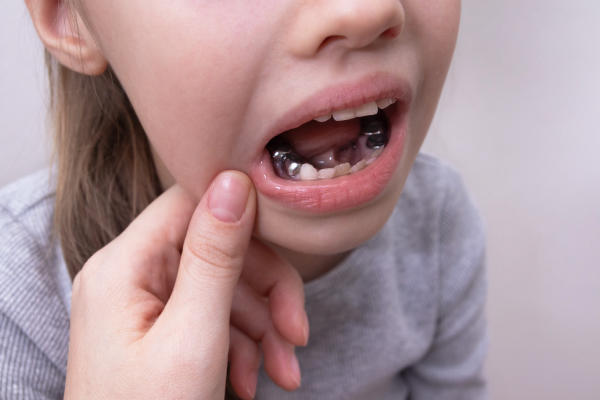
The second one is the pulpotomy or the removal of the pulp chamber. This is often above the area where the nerve extends into the tooth root. It also involves the use of a medication, which is applied to the base of the chamber. It can help to maintain the vitality of the nerve in the root and also prevent further infection. The patient’s tooth is then restored. A stainless steel crown will be placed on a primary molar whereas for a front tooth a form of composite restoration will be more ideal.
Takeaway
A pulpotomy offers an effective way of treating tooth decay. But to avoid an inflamed tooth pulp, a good oral hygiene routine can be beneficial. For children, fluoride toothpaste and using mouthwash on a daily basis can help. They can help to keep the primary teeth healthy. Additionally, your child should also see the dentist within six months after the eruption of the first teeth.
Request an appointment here: https://www.grandparkwaypediatricdental.com or call Grand Parkway Pediatric Dental at (832) 579-0960 for an appointment in our Richmond office.
Check out what others are saying about our services on Yelp: Read our Yelp reviews.
Recent Posts
Whether your child has a cracked, chipped, or decayed tooth, a kids dental crown can restore it to its original shape. An added benefit of dental crowns is that they can last up to 15 years with proper care. Fortunately, caring for crowns is straightforward, with most patients not needing to change their oral hygiene…
Pediatric dentists recommend kids dental crowns for children’s teeth. Veneers are a cosmetic treatment for adults, while dental crowns serve restorative purposes for both adults and children. Here is a closer look at the differences between these two treatments and why dental crowns are the appropriate choice for kids.Dental crowns and veneers are similar in…
Kids dental crowns are a versatile solution in pediatric dentistry. They help protect damaged teeth and support the replacement of missing ones, making them a reliable option for long-term oral health. They can also improve the appearance of the smile. Pediatric dentists recommend crowns to restore function, protect developing teeth, and ensure a healthy, lasting…
A children's root canal helps save baby teeth when deep decay threatens a child’s dental health. When your child has severe tooth pain or a dental injury, deciding whether to treat or remove the tooth can be stressful for parents. Even though baby teeth will eventually fall out, they are important for a child’s oral…