At What Age Should Children First See a Pediatric Dentist?
A pediatric dentist has the training to treat and care for the oral health of children. Parents may be wondering at what age a child should first visit the dentist, and the general rule is when the first tooth erupts or by year one. According to the National Institute of Health, more than 40% of children have had at least one cavity by the age of 11. Children’s teeth are susceptible to decay, and it is important to begin good oral hygiene early both professionally and at home.
What to expect at the first visit
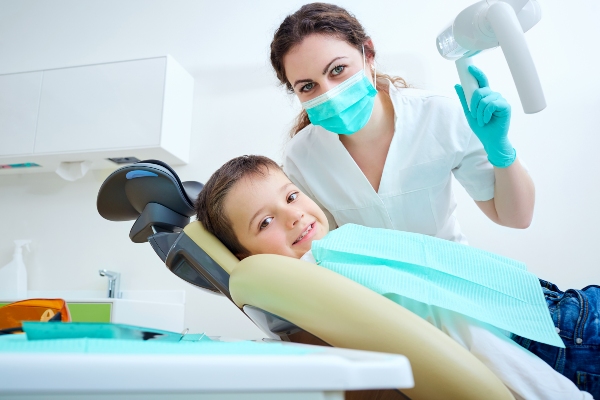
The dentist’s office can be an intimidating place for both kids and adults, and one thing a pediatric dentist office does well is help make the child feel comfortable and make the visit fun.
Introduction to the office
During the first visit, the child will be introduced to the front desk staff and may be given a tour of the office to see all the rooms and equipment. The dental hygienist will often ease into the appointment by demonstrating how the chair goes up and down and giving the child a ride. The hygienist may also show the equipment used for cleaning and let the child hold them.
Teeth cleaning
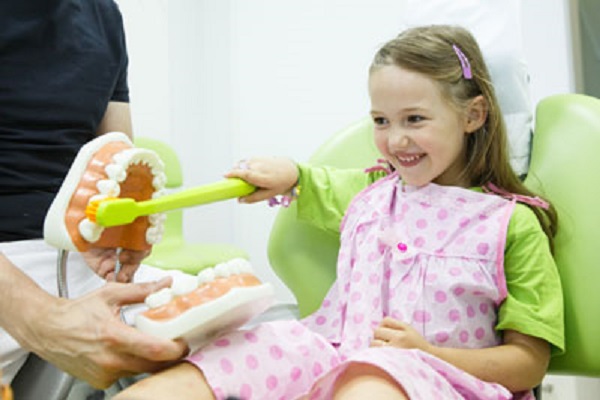
Once the child seems to be comfortable, the hygienist will proceed with the cleaning. Depending on the age of the child and the number of teeth, this may not take very long. The child will also learn how to brush their teeth, and they may also have their teeth flossed.
Exam
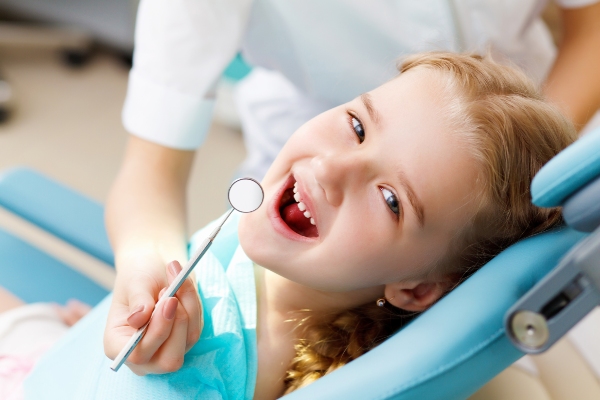
After the cleaning, the dentist will come in and make an introduction to the child and parents. They will then conduct an exam of the existing teeth, gums, tongue and cheeks. X-rays may be taken once most of the teeth are in. The dentist may also evaluate how certain habits, such as sucking the thumb or using a pacifier, are impacting the teeth and mouth. At a certain age, fluoride treatments or sealants may be recommended.
Home habits to begin early
Going to the dentist every six months or so is one step in the overall process of having healthy teeth and gums. It is even more important, however, to practice good habits at home from an early age. Even before teeth begin to appear, parents can start to clean a baby’s mouth. Moms or dads can use a soft, damp cloth to wipe the gums after each feeding.
Once the child gets the first tooth, parents should use a brush with soft bristles to brush the tooth and surrounding area. Only water or a non-fluoride toothpaste should be used until the toddler is old enough to spit.
Parents should assist with brushing until the child can hold the brush and coordinate the movements, which is often around age 6 or 7. Flossing can begin at around age 2 or 3, and around the age of 10 the child should be able to floss on their own.
Conclusion
Good oral hygiene begins at an early age, and a pediatric dentist plays an important role in keeping children’s teeth healthy and cavity free. Parents should make the first dental appointment for children at around age 1 or after the first tooth emerges.
Request an appointment here: https://www.grandparkwaypediatricdental.com or call Grand Parkway Pediatric Dental at (832) 579-0960 for an appointment in our Richmond office.
Check out what others are saying about our services on Yelp: Read our Yelp reviews.
Recent Posts
Curious about how to find a kids dentist? Read on to learn more. When your child is one year of age or gets their first tooth, you should bring them in to see a kids dentist. It is important to look after your kid's dental health and choosing the right dentist is one of the…
Children do not often list going to the dentist as one of their favorite activities, but regular visits to the kids dentist are among the most important things that they can do in early life. By starting early, a pediatric dentist helps prepare children for a successful future that is free from major oral health…
Your child’s first dentist appointment is a major milestone, setting them up for long-term oral health. While it is normal to be nervous, a kids dentist works to make the appointment comfortable for you and your child. However, parents can also help make the appointment go smoother with a bit of preparation. Here are some…
Seeing a kids dentist for regular checkups can maintain your child’s good dental health from day one. Primary teeth are as important to a child’s health as permanent ones. That is why caring for them is crucial. Here are the important points of going to your kids dentist for regular dental checks.Kids must value healthy…