Baby Bottle Tooth Decay: Condition Explained and How to Prevent It
Baby Bottle Tooth Decay
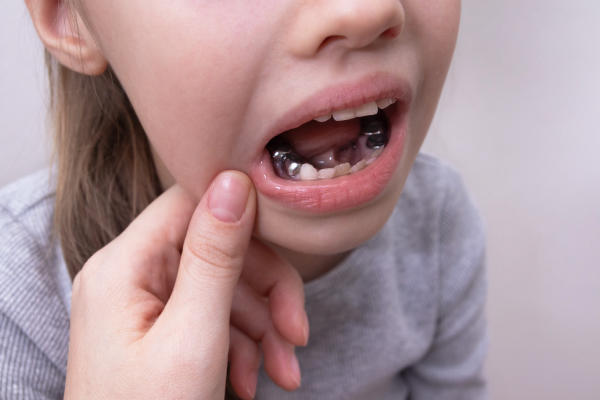
Children’s teeth are just as fragile and cute as they are themselves. This means that their teeth are also more vulnerable to cavities. Tooth decay in infants and toddlers is referred to as baby bottle tooth decay. A lot of parents may pay little attention to their toddler’s teeth since in their head “the tiny teeth are temporary anyway and may come off any day now”. The toddler’s teeth may be temporary, but that does not make them any less susceptible to tooth decay.
Taking care of your child’s temporary teeth will ensure that their permanent teeth grow correctly. Therefore, it is important to mind your child’s oral health while they are still very young so that they can grow up with strong and healthy teeth.
Causes of Baby Bottle Tooth Decay
So what causes baby bottle tooth decay you may ask? This ailment may be brought about by a number of factors such as;
- Exposing your child’s teeth to sugar through sugary drinks and candy.
- Having your child go to sleep with a dirty pacifier in their mouth. The bacteria on the pacifier will likely enter the baby’s mouth through the saliva and may eventually cause tooth decay.
- A feeding spoon may also introduce harmful bacteria into a baby’s mouth. Once this happens, the bacteria will begin eating away into the baby’s teeth which will eventually lead to tooth decay.
Preventing Baby Bottle Tooth Decay
The good news for parents is that baby bottle tooth decay is quite preventable. Below are a few ways that parents can help prevent tooth decay in their children:
- Wipe your child's gums and teeth using a clean washcloth or a damp gauze pad after you have fed them. It is also important for you to avoid sharing your saliva with them through spoons, since bacteria from your mouth may enter the baby’s mouth.
- Once your baby begins to spot some adorable little teeth, ensure that you clean them daily with a soft child's toothbrush while using toothpaste without fluoride in it.
- Ensure that you supervise your child’s teeth brushing habits until you are confident that they can handle it on their own with wasting or swallowing toothpaste. The child should be fine when it comes to brushing teeth on their own at around age 6 or 7.
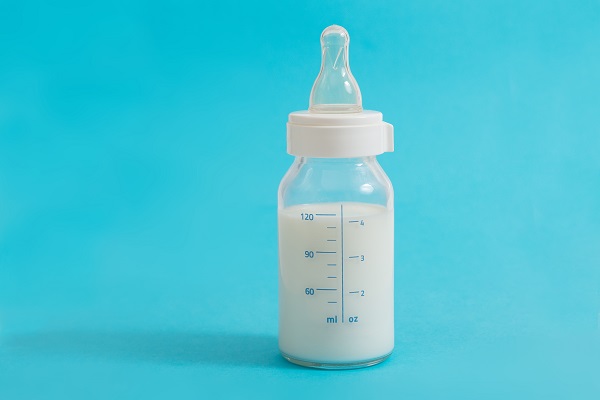
- When feeding formula to the baby, ensure that the formula only contains milk and not sugary liquids such as juice. Sugary fluids will harm a toddler’s oral health by exacerbating tooth decay.
- Only put a clean pacifier in your baby’s mouth, a dirty pacifier will introduce harmful bacteria into their mouth, leading to tooth decay.
Schedule regular dental visits after your child turn one, this may seem unnecessary to some parents, but it will go a long way in ensuring that your child’s oral health is in excellent shape.
Request an appointment here: https://www.grandparkwaypediatricdental.com or call Grand Parkway Pediatric Dental at (832) 579-0960 for an appointment in our Richmond office.
Check out what others are saying about our dental services on Yelp: Baby Bottle Tooth Decay in Richmond, TX.
Recent Posts
Pediatric dentists recommend kids dental crowns for children’s teeth. Veneers are a cosmetic treatment for adults, while dental crowns serve restorative purposes for both adults and children. Here is a closer look at the differences between these two treatments and why dental crowns are the appropriate choice for kids.Dental crowns and veneers are similar in…
Kids dental crowns are a versatile solution in pediatric dentistry. They help protect damaged teeth and support the replacement of missing ones, making them a reliable option for long-term oral health. They can also improve the appearance of the smile. Pediatric dentists recommend crowns to restore function, protect developing teeth, and ensure a healthy, lasting…
Kids dental crowns are a popular option for restoring a smile and offer benefits to children of all ages. A dental crown is a customized, tooth-shaped cap placed over a damaged or compromised tooth to help restore its shape, size, appearance, and strength. Discover common signs indicating a kids dental crown is right for your…
Kids dental crowns reinforce a decayed or damaged tooth, restoring its function and beauty. These are just two of the many benefits of crowns. For instance, they also require minimal aftercare. Children of all ages can benefit in different ways from these versatile restorations.Kids dental crowns can restore a variety of dental conditions. They are…