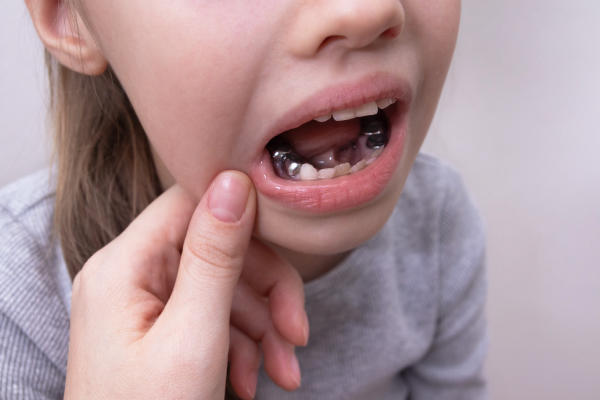
Cavity Treatment for Kids: What Is the Process?
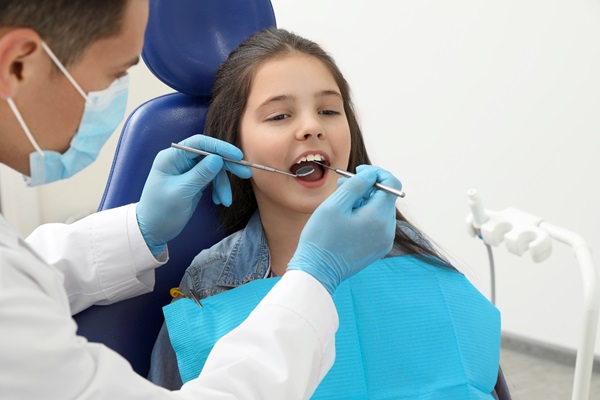
Cavities, or dental caries, can affect children just as they do adults, and early cavity treatment for kids is crucial to prevent further dental problems.
What is the process for cavity treatment for kids?
The process of cavity treatment for kids is tailored to their unique needs and comfort. In this article, we will walk patients through the typical steps of cavity treatment for children, highlighting the importance of gentle and child-friendly care.
1. Diagnosis and evaluation
The first step in cavity treatment is diagnosing and evaluating the affected tooth or teeth. This usually involves a comprehensive dental examination by a pediatric dentist. X-rays may be taken to assess the extent of the cavity, and the dentist will determine the appropriate treatment plan based on their findings.
2. Anesthesia and sedation
To ensure a pain-free and comfortable experience for the child, local anesthesia may be administered to numb the area around the affected tooth. In cases where the child is anxious or uncooperative, sedation options like nitrous oxide (laughing gas) or oral sedatives may be considered to help the child relax during the procedure.
3. Tooth preparation
Once the child is comfortable and the area is numb, the dentist will begin removing the decayed part of the tooth. This is typically done using specialized dental instruments, such as drills or laser technology. The goal is to remove the decay and create a clean surface for restoration.
4. Restoration
After removing the cavity, the dentist will restore the tooth with a suitable dental filling material. For children, tooth-colored composite fillings are commonly used, as they blend seamlessly with the natural tooth color and are less noticeable. In some cases, especially with deeper cavities, a dental crown may be required to provide extra protection and support to the tooth.
5. Final adjustments
The dentist will make sure the restoration is fitted correctly and comfortable for the child. Any necessary adjustments will be made to ensure that the child can bite and chew without any issues.
6. Post-treatment care and education
Following the cavity treatment, the dentist or dental hygienist will provide instructions for post-treatment care. This may include guidance on oral hygiene practices, dietary recommendations to prevent further cavities, and information on follow-up appointments.
7. Follow-up appointments
These are essential to monitor the restored tooth and ensure that it remains healthy and functional. These appointments also enable the dentist to address any concerns or questions that parents may have about their child's oral health.
FAQs about cavity treatment for kids
1. Why choose a pediatric dentist?
Pediatric dentists are specially trained to provide gentle, child-centered care. They create a welcoming and comfortable environment for kids and use child-friendly language to explain procedures. Building trust and a positive relationship with a dentist is crucial for ensuring a child's continued oral health.
Cavity treatment for kids is a collaborative effort between parents, children, and dental professionals. By seeking early treatment and following preventive measures, such as regular dental check-ups and a healthy diet, caregivers can help the child maintain a cavity-free smile and a lifetime of good oral health.
2. Is it common for children to get cavities, and when should I be concerned about treatment?
Cavities are relatively common in children due to factors like dietary choices, oral hygiene practices, and the susceptibility of their developing teeth. The need for treatment depends on the extent and location of the cavity. If a caregiver notices signs of a cavity, such as tooth sensitivity or discoloration, scheduling a dental appointment for an evaluation is essential. Early treatment can prevent the cavity from worsening.
3. Is it safe for my child to undergo anesthesia or sedation during cavity treatment?
Dentists use local anesthesia to numb the area around the affected tooth, ensuring the child's comfort during cavity treatment. Additionally, sedation options like nitrous oxide or oral sedatives may be used to help anxious or uncooperative children relax. When administered by trained professionals, these methods are safe and are closely monitored throughout the procedure to ensure the child's well-being.
4. How can I prevent my child from getting cavities in the future?
Preventing cavities in children involves a combination of good oral hygiene practices and a balanced diet. The child should be encouraged to brush their teeth at least twice a day, floss daily, and visit the dentist for regular check-ups and cleanings. Sugary snacks and drinks should be limited, and the child should consume a diet rich in fruits, vegetables, and dairy products. Fluoride treatments and dental sealants can also provide added protection against cavities.
Contact our pediatric dentist to schedule a consultation
If your child has one or more cavities, we encourage you to give us a call today. We treat cavities fast and effectively while providing a safe and welcoming atmosphere for children.
Request an appointment here: https://www.grandparkwaypediatricdental.com or call Grand Parkway Pediatric Dental at (832) 579-0960 for an appointment in our Richmond office.
Check out what others are saying about our services on Yelp: Read our Yelp reviews.
Recent Posts
Whether your child has a cracked, chipped, or decayed tooth, a kids dental crown can restore it to its original shape. An added benefit of dental crowns is that they can last up to 15 years with proper care. Fortunately, caring for crowns is straightforward, with most patients not needing to change their oral hygiene…
Pediatric dentists recommend kids dental crowns for children’s teeth. Veneers are a cosmetic treatment for adults, while dental crowns serve restorative purposes for both adults and children. Here is a closer look at the differences between these two treatments and why dental crowns are the appropriate choice for kids.Dental crowns and veneers are similar in…
Kids dental crowns are a versatile solution in pediatric dentistry. They help protect damaged teeth and support the replacement of missing ones, making them a reliable option for long-term oral health. They can also improve the appearance of the smile. Pediatric dentists recommend crowns to restore function, protect developing teeth, and ensure a healthy, lasting…
A children's root canal helps save baby teeth when deep decay threatens a child’s dental health. When your child has severe tooth pain or a dental injury, deciding whether to treat or remove the tooth can be stressful for parents. Even though baby teeth will eventually fall out, they are important for a child’s oral…