Cavity Treatments From a Special Needs Dentist
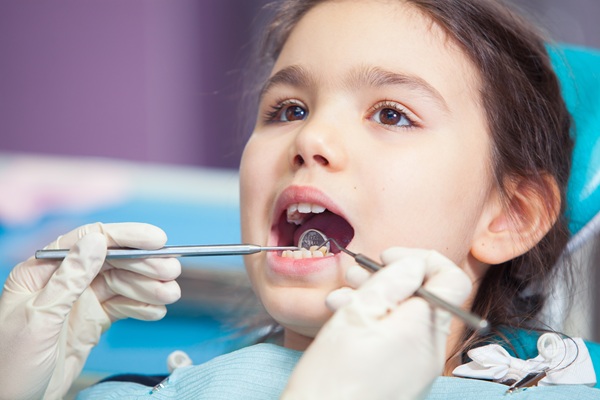
Choosing a special needs dentist provides families with essential cavity-prevention services in a safe, accessible dental environment. For many individuals, the idea of a dental appointment raises concerns about sensory triggers, medical treatments, and the individual's comfort and safety. Fortunately, special needs dentists bridge this gap by providing a safe, calming environment. By focusing on the unique needs of each patient, these dental professionals transform a stressful event into a positive healthcare experience.
The challenges of dental health for individuals with special needs
Maintaining oral health can involve substantial hurdles for individuals with developmental, physical, or cognitive disabilities. These patients are at higher risk of dental decay due to biological and lifestyle factors. For example, many medications used to treat chronic health conditions can cause dry mouth, which removes the natural protective barrier of saliva. Without enough saliva to neutralize acids, the tooth enamel is more susceptible to cavities and infections.
Additionally, motor coordination challenges can make it difficult for a person to clean their own teeth effectively. Sensory sensitivities may also make the vibration of an electric toothbrush or the taste of toothpaste hard to tolerate. Fortunately, a special needs dentist recognizes these hurdles and works with families and caregivers to develop a realistic, effective home care routine. At the end of the day, the objective is to prevent tooth decay before it starts, reducing the need for more invasive and stressful restorative procedures in the future.
Choosing the right restorative treatment
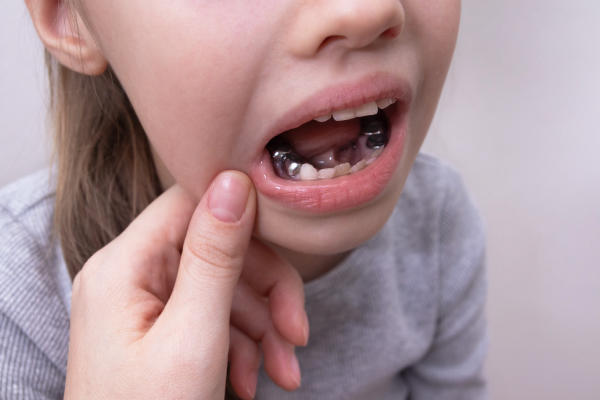
Not all cavities are preventable. When a cavity develops and requires a restoration, the special needs dentist will need to consider the durability of the material, how quickly they can place it, and how it will interact with the patient's mouth over time. For example, some patients with higher needs struggle with teeth grinding and clenching (bruxism), which can easily crack standard filling materials. In these cases, the dentist may recommend full-coverage options such as stainless steel or porcelain to provide complete protection for the tooth.
For smaller areas of decay, they may use glass ionomer restorations, which release fluoride into the surrounding tooth structure and help prevent new cavities from forming around the edges of the filling. No matter the cavity treatment, the dentist will work with the patient and their caregiver to provide a permanent solution that reduces the frequency of future dental visits.
Calming techniques and sensory support
A big concern for many caregivers is how an individual with higher needs will respond to the sights and sounds of restorative work. Fortunately, special needs dentists strive to create a stress-free environment to make appointments more tolerable. These dental professionals use behavioral techniques and environmental adjustments to help the individual regulate their nervous system. These strategies help build trust and predictability, which are the most important elements for long-term dental success.
Here are some techniques that are frequently used to put patients at ease:
- The tell-show-do method: The dentist explains the tool, shows it to the patient on a hand or comfort item, and then performs the treatment.
- Patient-friendly education: Picture boards or books walk the patient through every step of the appointment beforehand.
- Noise-canceling headphones: These devices block the high-pitched sounds of dental equipment, helping prevent auditory overstimulation.
- Sunglasses for light sensitivity: Simple eye protection shields the patient from the bright, overhead lights while in the dental chair.
- Desensitization visits: These visits involve no treatment, allowing the patient to explore the office and meet the staff without pressure to undergo exams or restorative care.
- Positive reinforcement systems: It can be helpful to use small rewards or specific praise to celebrate every small success throughout the dental visit.
Implementing these sensory-friendly adjustments allows the patient to feel more in control of their surroundings and reduces the likelihood of a distress response.
Sedation options in special needs dentistry
If a patient cannot tolerate the procedure through traditional behavior management techniques, sedation is an important tool for ensuring the patient's safety and cavity treatment outcomes. The special-needs dentist may offer options such as nitrous oxide, oral conscious sedation, and intravenous (IV) sedation. The chosen option will depend on the required treatment and the patient's unique needs.
Schedule your consultation today
If you have been looking for a dental home that truly understands how to support your family, we are here to help. Our special needs dentist is dedicated to providing a gentle, patient, and safe environment for every individual. Call our Richmond office today to learn more about our services or to schedule a consultation.
Request an appointment here: https://www.grandparkwaypediatricdental.com or call Grand Parkway Pediatric Dental at (832) 579-0960 for an appointment in our Richmond office.
Check out what others are saying about our dental services on Yelp: Special Needs Dentist in Richmond, TX.
Recent Posts
Pediatric dentists recommend kids dental crowns for children’s teeth. Veneers are a cosmetic treatment for adults, while dental crowns serve restorative purposes for both adults and children. Here is a closer look at the differences between these two treatments and why dental crowns are the appropriate choice for kids.Dental crowns and veneers are similar in…
Kids dental crowns are a versatile solution in pediatric dentistry. They help protect damaged teeth and support the replacement of missing ones, making them a reliable option for long-term oral health. They can also improve the appearance of the smile. Pediatric dentists recommend crowns to restore function, protect developing teeth, and ensure a healthy, lasting…
A children's root canal helps save baby teeth when deep decay threatens a child’s dental health. When your child has severe tooth pain or a dental injury, deciding whether to treat or remove the tooth can be stressful for parents. Even though baby teeth will eventually fall out, they are important for a child’s oral…
Dental sealants provide children with a layer of protection against cavities during the years when their brushing skills are still developing. These thin coatings cover chewing surfaces, helping keep food and bacteria from settling into grooves. A pediatric dentist may recommend sealants as a preventive measure to protect a child’s smile and reduce the need…