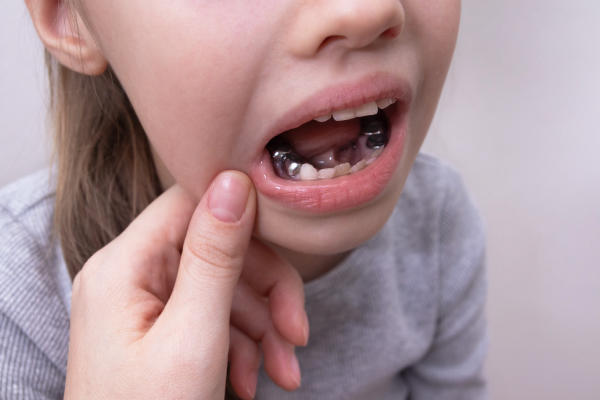
Child Dental Treatments for Recurring Toothaches

Effective child dental treatments of recurrent toothaches in children begins with a professional evaluation that determines the underlying cause and restores the child’s smile. Toothaches in children frequently fluctuate in intensity, which can make a burgeoning problem feel less urgent. Even so, recurrent pain almost always signals underlying issues. A pediatric dentist identifies the specific driver of the pain and recommends a plan that protects developing teeth and supports healthy oral habits for life.
Why are some toothaches intermittent?
Recurring toothaches typically begin with a minor structural defect that worsens without intervention. Cavities (decay) often irritate the inner layers of a tooth, especially when sugary snacks, frequent juice consumption, or inconsistent brushing allow bacteria to thrive in the mouth. Discomfort can also stem from food trapped between teeth, a cracked filling, or localized gum inflammation near a molar. Moreover, in some children, nighttime clenching or grinding can place excessive pressure on primary teeth, triggering significant soreness upon waking.
Teething and normal tooth eruption typically cause transient tenderness, but these developmental milestones rarely cause sharp pain or swelling. A pediatric dentist helps distinguish between normal eruption discomfort and a dental problem that requires immediate care. For example, pain that increases with cold temperatures, sweets, or chewing often indicates advancing decay or deeper nerve inflammation. Regardless, a clear clinical diagnosis ensures the child dental treatment plan addresses the root cause rather than just the symptoms.
The pediatric dental examination process
A thorough toothache evaluation includes a visual exam, gentle physical tests, and digital X-rays when clinically appropriate. X-rays identify hidden cavities between teeth, infection near the root, or structural issues lurking under older dental restorations. The dentist also checks the health of the gums, the alignment of the bite, and any signs of recent trauma. Even a minor bump to the mouth during play can injure a tooth internally, leaving no obvious chip or crack on the surface.
The exam also includes specific questions regarding the timing of the pain and its known triggers. Information about a child’s snack preferences, hydration habits, and recent illnesses helps clarify the factors driving the current sensitivity. A pediatric dentist also asks whether the pain awakens the child at night, as nocturnal discomfort often indicates advanced inflammation that requires a more rapid response. This comprehensive approach ensures that the child dental treatment targets the true cause to prevent future flare-ups.
Effectivechild dental treatment options for toothaches
Treatment selection depends on whether the pain originates from a cavity, nerve irritation, or a gum-related issue.
Silver diamine fluoride
For early signs of decay, fluoride therapy or silver diamine fluoride (SDF) may be a viable option to slow the progression of a cavity.
Dental fillings
When decay reaches the more advanced stages, a filling restores the tooth structure and removes the source of the irritation. Composite fillings are a popular choice for small to moderate cavities because they bond directly to the tooth and match the natural color of the enamel.
Dental crowns
When decay reaches the deeper layers of a tooth, a more protective restorative approach becomes necessary to save the tooth. Pediatric crowns are often the best option for teeth with extensive decay, as they reduce the risk of future fractures or recurrent caries in the same area.
Pulpotomy
If the nerve tissue becomes inflamed, a pulpotomy or pulpectomy removes the diseased tissue while preserving the tooth until it falls out naturally. These various forms of child dental treatment relieve pain while supporting vital functions like chewing and speech development.
Recognizing dental emergencies and infections
Some toothaches require prompt medical attention to prevent an infection from spreading to other parts of the body. Swelling of the gums or face, a persistent fever, a bad taste in the mouth, or pain that prevents sleep suggest a serious infection. A cracked tooth after a fall can cause sudden pain during chewing and expose the sensitive inner layers to the environment. In these specific cases, waiting for a “better time” often increases discomfort and limits the remaining treatment options.
A pediatric dentist recommends antibiotics only when signs of infection extend beyond the tooth or when systemic symptoms like fever appear. Since antibiotics do not eliminate the physical source of the infection, definitive dental treatment remains necessary to permanently resolve the problem. At-home strategies, such as cold compresses and dentist-approved medications, provide temporary relief; however, the ultimate goal is resolution. Timely child dental treatment prevents these acute flare-ups from becoming more serious health risks.
Schedule your child’s next appointment
Recurring toothaches signal that a tooth or the surrounding gums require child dental treatment to restore health. Is your child experiencing tooth pain? Contact Grand Parkway Pediatric Dental to schedule their appointment.
Request an appointment here: https://www.grandparkwaypediatricdental.com or call Grand Parkway Pediatric Dental at (832) 579-0960 for an appointment in our Richmond office.
Check out what others are saying about our dental services on Yelp: Child Dental Treatments in Richmond, TX.
Recent Posts
Pediatric dentists recommend kids dental crowns for children’s teeth. Veneers are a cosmetic treatment for adults, while dental crowns serve restorative purposes for both adults and children. Here is a closer look at the differences between these two treatments and why dental crowns are the appropriate choice for kids.Dental crowns and veneers are similar in…
Kids dental crowns are a versatile solution in pediatric dentistry. They help protect damaged teeth and support the replacement of missing ones, making them a reliable option for long-term oral health. They can also improve the appearance of the smile. Pediatric dentists recommend crowns to restore function, protect developing teeth, and ensure a healthy, lasting…
A children's root canal helps save baby teeth when deep decay threatens a child’s dental health. When your child has severe tooth pain or a dental injury, deciding whether to treat or remove the tooth can be stressful for parents. Even though baby teeth will eventually fall out, they are important for a child’s oral…
Dental sealants provide children with a layer of protection against cavities during the years when their brushing skills are still developing. These thin coatings cover chewing surfaces, helping keep food and bacteria from settling into grooves. A pediatric dentist may recommend sealants as a preventive measure to protect a child’s smile and reduce the need…