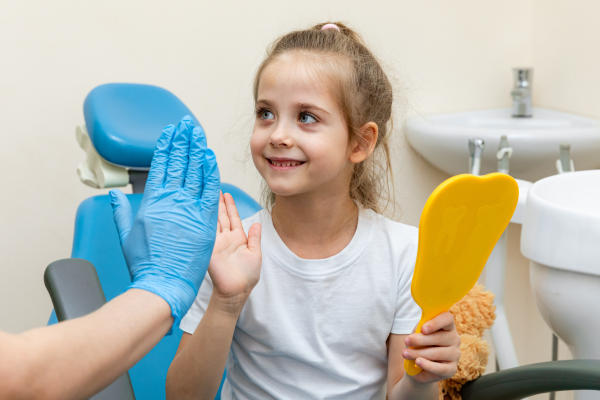
Neglecting good oral care is a habit that too many people fall into. This can happen with teens and adults alike. However, young children frequently struggle with these everyday activities. The consequences can be severe and have long-term effects. As a parent, you need to help with a few essential steps so your son or daughter can have healthy teeth and gums. There are things to implement today and others to eliminate.
The impact that good or poor oral health can have on a child
Any responsible parent will ensure that children are in good health. Parents should see that their kids eat well, exercise, and visit the doctor regularly. Oral care is vital too, and it is something that parents should not overlook. Failure to practice proper oral hygiene can lead to serious oral conditions such as tooth decay and gum disease. Untreated, these issues can cause more widespread conditions.
For example, gum disease can cause teeth to shift and become loose. Such teeth can fall out, making it difficult to eat. Severe tooth decay can cause infections to develop. Teeth can rot, and the infection can spread. The infection can spread throughout the body without intervention and even get into the bloodstream.
Regular brushing
Perhaps the first step a child can learn in good oral care is to brush well. From the time a child has teeth, regular brushing is essential. For strong and healthy teeth, the individual should brush at least twice a day with a fluoride-based toothpaste. The child should brush every part of every tooth. Parents should help until the child can do this alone.
Proper brushing will reduce the risk of developing decay and cavities. Brushing removes sugars and starches from teeth that otherwise would turn into plaque and harden into tartar. Good brushing keeps teeth clean. It can also prevent teeth from staining.
Regular flossing
Flossing is equally as important, but children can have difficulty with it. Flossing should occur once a day. The process should be gentle; the child should not be too vigorous. When flossing, the child should be mindful of getting in between each tooth. Spending about two minutes on this activity will lead to the most effective results. Flossing removes food particles and other debris from in between teeth, promoting healthy teeth and gums.
Seeing the dentist
Parents should take their kids to the dentist at least every six months. This important aspect of oral care will establish good habits throughout life. The pediatric dentist will examine the patient’s teeth and gums at dental checkups. The dentist can identify concerns and emerging issues. The hygienist will also do a deep clean and polish the teeth.
Make oral care a priority for your children
Children are prone to suffering tooth decay and developing gum disease. As a parent, you play a critical role in avoiding these problems. Follow these guidelines so your kids can enjoy healthy teeth and gums. As a result, their overall well-being can improve.
Request an appointment or call Grand Parkway Pediatric Dental at 832-579-0960 for an appointment in our Richmond office.
Recent Posts
Kids dental crowns are restorations that can address various dental issues, from severely damaged teeth to protecting a tooth after a root canal. They help preserve oral health and enhance a smile's appearance. In addition to being versatile, they are available in different materials, which can be helpful for children, primarily their parents, who want…
Kids dental crowns can improve the appearance of your child’s smile. These restorations can bring back normal dental function at the same time. With kids dental crowns, a pediatric dentist can help your child restore the form and function of your child’s smile.Severe decay deteriorates the enamel and weakens the dental structure. With large fillings,…
A pediatric dentist can help determine the root cause of an oral health issue and if a patient will benefit from a dental crown. While there are many reasons for getting these restorations, the main goal is always to restore the tooth and enhance its functions. Here are several warning signs that your child may…