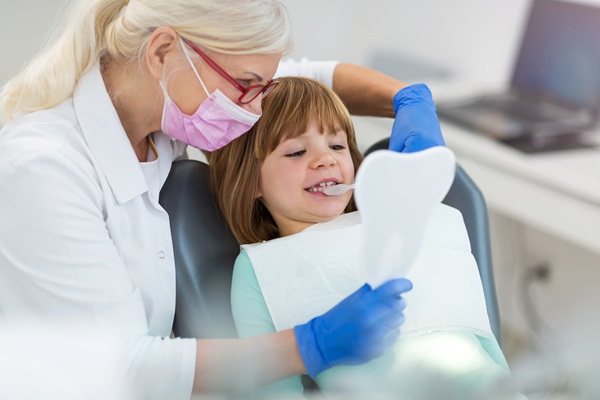
Children's tooth care starts long before the first toothache, and thoughtful care helps prevent sensitivity and protect growing smiles. When toothaches or sensitivity appear, they cause worry for children and parents, but clear guidance and prompt care keep problems from escalating.
Understanding toothaches in children
Toothaches signal that something in the mouth needs attention. In children, discomfort may show up as crying during meals, avoiding certain foods, rubbing the cheek, or difficulty sleeping. Some children cannot explain pain clearly, so behavior changes often provide the first clue that something feels wrong. Early evaluation allows the dental team to identify the source of the problem and recommend treatment before damage progresses.
Children's tooth care also focuses on building healthy habits and monitoring the development of baby and permanent teeth. Regular checkups help track growth, bite alignment, and risk of cavities. During these visits, the dentist reviews brushing and flossing techniques, discusses diet, and looks for early signs of enamel wear or gum inflammation.
Common causes of toothaches and sensitivity
Several issues commonly trigger pain or sensitivity in children. Cavities are among the most frequent causes. When bacteria break down enamel and dentin, the inner part of the tooth becomes exposed and more reactive to hot, cold, or sweet foods. Untreated decay can eventually reach the nerve and cause intense pain.
Erupting teeth may also lead to temporary discomfort. As new teeth push through the gums, the tissues can feel sore or tender. In other cases, sinus pressure, minor trauma from sports or play, or food lodged between teeth can create toothache-like sensations.
Tooth sensitivity often arises when enamel thins or gums recede slightly, exposing the root surface. Acidic drinks, frequent snacking on sugary foods, and aggressive brushing can weaken enamel over time. A thorough exam helps separate short-term irritation from problems that require treatment.
When a toothache signals an emergency
Some toothaches require urgent attention. Severe pain that wakes a child from sleep, facial swelling, fever, or difficulty swallowing may indicate a serious infection. In these situations, prompt evaluation reduces the risk of the infection spreading and helps relieve discomfort quickly.
Knocked-out or broken teeth after a fall or sports injury also require prompt dental care. A quick response can save a tooth or limit damage to surrounding structures. Mouthguards offer important protection for children who participate in contact sports or activities with a higher risk of impact and should be part of long-term children's tooth care planning.
Home comfort measures between dental visits
Supportive care at home can ease mild discomfort while waiting for a dental appointment or after treatment. Cool compresses on the outside of the cheek may reduce swelling and provide soothing relief. Soft foods such as yogurt, mashed vegetables, and smoothies help protect tender teeth from additional stress.
Children often tolerate lukewarm or cool beverages better than very hot or icy drinks when sensitivity is present. Over-the-counter pain relief medications may be helpful when recommended by a pediatrician or dentist and used according to dosing instructions. However, these products should not replace a full dental evaluation, especially when pain lasts longer than a day or two.
Prevention as a foundation of children's tooth care
Preventing toothaches and sensitivity often proves easier than resolving advanced problems. Twice-daily brushing with a fluoride toothpaste, daily flossing, and regular professional cleanings form the core of children's tooth care. Parents help by supervising brushing for younger children and checking that teeth are cleaned along the gumline and in the back of the mouth, where plaque tends to collect.
Diet also plays a major role in prevention. Limiting sugary snacks, sticky candies, and frequent sipping on juice or soda reduces cavity risk. Encouraging water between meals, especially fluoridated water when available, helps rinse away food particles and support stronger enamel. For many children, sealants placed on the chewing surfaces of molars offer extra protection against decay.
Children's tooth care: when to seek professional help
Professional guidance remains essential whenever toothaches, visible damage, or ongoing sensitivity appear. A pediatric or family dentist can identify the cause of discomfort, recommend appropriate treatment, and customize prevention strategies for each child. Timely care protects developing teeth, supports healthy speech and chewing, and helps children build positive attitudes about dental visits that can last into adulthood. For more information or to schedule an appointment regarding children's tooth care, families can contact the dental office to arrange a comprehensive evaluation and discuss the best path toward a more comfortable, confident smile. For more information or to schedule an appointment, call our office.
To schedule a consultation, please request an appointment on our website at https://www.grandparkwaypediatricdental.com or call Grand Parkway Pediatric Dental at (832) 579-0960 to arrange an appointment at our Richmond office.
Check out what others are saying about our services on Yelp: Children's Tooth Care in Richmond, TX.
Recent Posts
Seeking the help of a kids dentist to maintain your child’s oral health is a serious responsibility. As a parent, you must ensure that your child’s dentist will be able to care for your child’s general well-being. Knowing what your dentist can do for your child is a motivator to bring your child in for…
Finding the right kids dentist is important for protecting your child's oral health future. In addition to finding a skilled pediatric dentist who can build a solid rapport with your child, the location and convenience are also important. We hope this simple guide to finding a kids dentist near you simplifies your search.A kids dentist…
Regular appointments with your kids dentist can give your child a great start when it comes to oral health. Statistics show that only about 51.4% of children have regular dental checks at least once each year. Finding proper dental care for kids is extremely difficult. But asking the following questions can help you know your…
Dental bonding for kids can support small cosmetic repairs and minor tooth defects, but it does not replace the role of a traditional filling when a cavity extends deeper into the tooth. Pediatric dental care focuses on protecting enamel, supporting healthy development, and keeping treatment comfortable for growing patients. Clear guidance helps families understand why…