Common Procedures From a Pediatric Dentist

Pediatric dentists can provide attentive dental care to patients from childhood to adulthood. To provide quality care throughout one’s formative years, pediatric dentists complete training in both preventive and restorative dental procedures. The most common procedures include teeth cleanings, oral exams, and dental fillings and crowns.
What is a pediatric dentist?
While general dentists may treat children and adolescents, pediatric dentists have undergone additional training and education to treat these age groups. This means they are often better equipped to provide children with dental care. Their office will likely have smaller tools and dental bitewing tabs (used for dental X-rays) to fit inside their patients’ mouths. They will also have the right tools for teen patients with more adult-sized mouths.
Pediatric dentists also have experience identifying problems as the jaw develops and permanent teeth (adult teeth) come in. For younger children with temporary teeth (baby teeth), these dentists will look to ensure they are erupting and falling out as planned. Some patients have issues with baby teeth falling out too soon, which can cause spacing and alignment problems for incoming adult teeth. A pediatric dentist can solve such issues and more with various treatments.
Common preventive pediatric dental services
As mentioned, pediatric dentists provide a variety of services and procedures. Below are some of the most common procedures children and adolescents receive.
Teeth cleaning
Teeth cleanings, or dental cleanings, remove plaque and tartar buildup to prevent oral health problems from developing. The oral health problem in question tends to be tooth decay, also known as dental caries or cavities. Per the Centers for Disease Control and Prevention (CDC), children are especially prone to developing cavities, making it crucial that they visit the dentist for routine dental cleanings.
During a cleaning, the dental hygienist will use scalers to eliminate any plaque and tartar on and between teeth. They will also polish the teeth with a tool similar to an electric toothbrush. Polish makes it harder for plaque to form on the teeth; it also makes the teeth appear shinier.
Oral exam
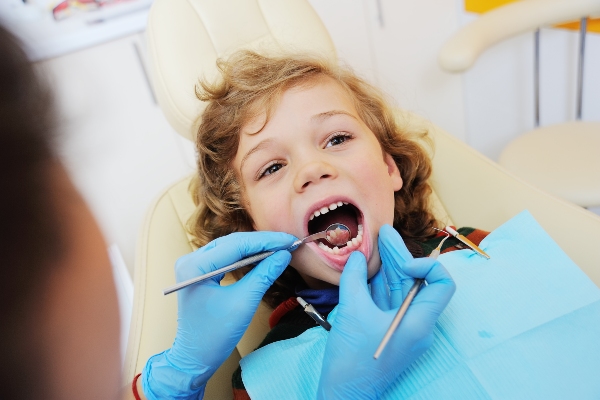
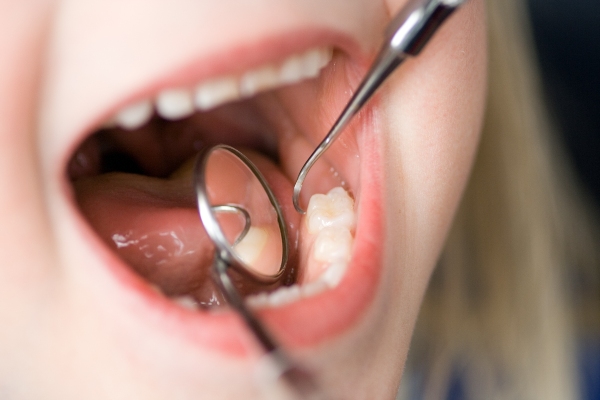
Oral exams go hand in hand with dental cleanings, usually during the same 30- to 45-minute appointment. The pediatric dentist will look at the cleaned mouth to find any issues with the teeth, gums, cheeks, and tongue. They will typically use a tool to inspect the surface of each tooth—if it catches, there could be a cavity. They will also look at how deep the spaces between the teeth and gums (gum pockets) are to determine whether the patient has or is at risk for gum disease. The oral exam will inform any recommendations.
Common pediatric dental restorations
Pediatric dentists do not only look for dental problems; they also treat them. Whether the issue is tooth decay, a chipped or cracked tooth, or something else, parents have various options for restoration. The following are a couple of the most common pediatric dental restorations.
Fillings
Dental fillings can restore minor cavities, chips, or cracks in the teeth. Most pediatric dentists offer silver (amalgam) fillings and tooth-colored (composite resin) fillings. Due to their strength, amalgam fillings are best utilized on premolars and molars. However, composite resin fillings are becoming more common because they blend in seamlessly with the rest of the teeth.
Dental crowns
A pediatric dentist will restore the tooth with a dental crown if there is extensive tooth decay or structural damage. Also known as dental caps, crowns can last up to 15 years if cared for properly. Crowns come in many different types, some of which blend with the rest of the teeth (all ceramic and porcelain crowns). Ask the child’s pediatric dentist about the various types of crowns they offer.
Early orthodontic treatments
Many pediatric dentists offer early orthodontic treatments. Starting orthodontic treatment early in life can help prevent a minor alignment issue from turning into a severe overbite, underbite, crowding, etc. That is, the child may be able to avoid braces in their teen years or will only need them briefly. Space maintainers, which hold space after baby teeth are lost prematurely, are a common example of such treatments.
Book an appointment with a pediatric dentist
With regular visits to the dentist, children and adolescents can prevent tooth decay, gum disease, and other serious dental problems. If you would like to schedule one of the above common procedures with our pediatric dentist, simply call our office today. We also encourage parents to ask about our other services.
Request an appointment here: https://www.grandparkwaypediatricdental.com or call Grand Parkway Pediatric Dental at (832) 579-0960 for an appointment in our Richmond office.
Check out what others are saying about our dental services on Yelp: Pediatric Dentist in Richmond, TX.
Recent Posts
. Our skilled team will keep you comfortable as we restore your teeth. If you have any further questions about the procedure or dental crowns, do not hesitate to call.Request an appointment or call Grand Parkway Pediatric Dental at 832-579-0960 for an appointment in our Richmond office.
Kids dental crowns are a reliable and effective tool for restoring damaged teeth. While most parents think of dental crowns in relation to root canals, crowns can also restore beauty and function to cracked teeth. If your child has fractured a tooth, a dental crown may be the most ideal solution.Kids dental crown sits on…
Kids dental crowns are caps that cover and replace natural tooth structures to restore their shape, function, and appearance. They are a popular restorative treatment that can address various dental issues. By investing in kids dental crowns, you are not only restoring the look of your child’s smile, but you are also safeguarding their future…
Kids dental crowns can restore decayed and damaged teeth, even when fillings are not an option. They can also be combined with other restorations, such as dental bridges, to replace missing teeth. Covering, reinforcing, or replacing teeth with crowns promotes good oral health. Crowns also support a child’s oral development, improving speech development, social skills,…