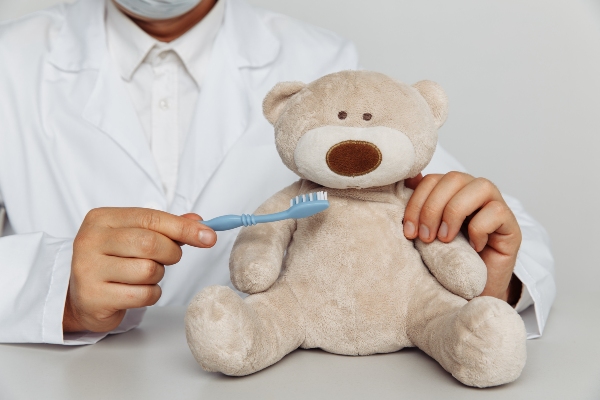
The first few visits for early dental care involve an assessment of your toddler's oral health and information on what parents can do to ensure good oral health at home between visits. Ideally, parents should start by their child's first birthday or within six months of their first tooth emerging through the gums.
Early dental care: Does my newborn need early dental care?
First, let us start with defining a newborn. According to the World Health Organization (WHO), the newborn age range is from birth to 28 days after birth. Therefore, the simple answer to this is no. Newborns do not need early dental care, but toddlers (up to age three) require early dental care.
What is early dental care?
Early dental care refers to dental services designed specifically for toddlers and young adolescents. The purpose of early dental care is to get ahead of any oral health issues with the hope of preventing them altogether. This typically includes diagnostic and preventive services (see below). In addition, educational services for parents and the patient are usually a major component of early dental care.
What does early dental care entail?
Early dental care looks different for every child based on their needs. The goals, however, are the same for every patient: to help prevent oral health concerns such as cavities and guide the oral development as the child goes through their baby teeth phase and gains primary teeth. Common early dental care services include:
- Dental X-rays.
- Oral examination.
- Teeth cleaning.
- Educational services.
- Dental sealants.
- Dental fillings.
- Dental crowns.
- Early orthodontic care.
Keep in mind that the goal is to avoid restorative procedures such as fillings through good oral hygiene at home, educational services, and preventive procedures such as sealants.
What are the benefits of early dental care?
Early dental care helps prevent the need for restorative treatment for newborns, toddlers, and adolescents that still have their baby teeth. Avoiding restorative treatment needs precludes the need for invasive and costly procedures and reduces the risk of the child developing dental anxiety. Additionally, good oral health at a young age can help reduce the risk of needing orthodontic care as the child grows older.
How can I protect my newborn's oral health?
Your newborn should not have many oral health needs for the first six months. (When they begin teething, this may change.) However, you can help protect your newborn's health by keeping their gums clean, especially after feeding. Once your child's first teeth come through, then it is time to schedule a visit with the dentist and start brushing.
Are you ready to get started? Contact us today to learn more and schedule a visit
We recommend parents bring their children in around the time of their first birthday, which allows us to learn more about your child's oral health and put in place a plan to protect your child's smile long-term as more teeth begin to emerge. Call us today or send us a message to get started.
Request an appointment or call Grand Parkway Pediatric Dental at 832-579-0960 for an appointment in our Richmond office.
Recent Posts
A pediatric dentist can help determine the root cause of an oral health issue and if a patient will benefit from a dental crown. While there are many reasons for getting these restorations, the main goal is always to restore the tooth and enhance its functions. Here are several warning signs that your child may…
Kids dental crowns are a valuable investment in your child's oral health and smile's appearance. Whether they have received crowns to restore damaged teeth or for cosmetic reasons, it is important to properly care for them to ensure they last a long time. Here are some essential tips to help maintain the longevity and aesthetics…
Pediatric dentists use kids dental crowns and bridges to restore and protect the teeth of young patients, ensuring that their smiles stay healthy and functional. While both restorations can address dental issues, there are differences in how dentists apply them, their purpose, and the number of teeth involved. Understanding these differences helps parents make informed…