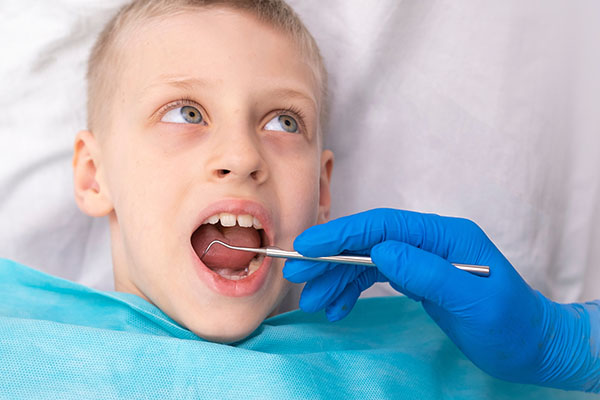
According to the American Academy of Pediatric Dentistry, every major dental association in the United States agrees that children should have their initial visit to a pediatric dentist within the first 12 months of life. A child’s first dental visit is dubbed "early preventative pediatric dental care" and does more than protect just the few baby teeth visible in a child’s mouth at a year old.
Establishing routine dental care
It may seem unnecessary to take a child who does not have many teeth to be examined by a dentist. However, regular dental care encompasses far more than just the teeth. It is important to carefully select a well reviewed, professional and experienced pediatric dentist for regular pediatric dental visits for children.
Habits
A pediatric dentist works with patients and families to instill the importance of good dental habits. Though there are few teeth at this stage of a child’s development, brushing the gums and teeth is still essential as a habit-forming routine.
It is not only hygiene habits about which a pediatric dentist may advise parents. Many infants and toddlers suck on pacifiers or on their thumbs or fingers. These habits may eventually affect a child's bite. The dentist can inform parents whether their child's habits are damaging to their teeth and what they can do to modify them.
Diet
Speaking with caregivers about diet is crucial. Many mothers do not know that when babies first start teething, nighttime breastfeeding should end. If that is not possible, they must be diligent about cleaning the baby's teeth and gums afterward. Likewise, babies should not be put to bed with bottles of milk, formula, or juice.
Fluoride
Early fluoride treatments can help protect teeth against dental caries, also known as tooth decay, beginning at 12 months. Starting a fluoride maintenance plan early helps ensure regular and routine treatments alongside strong dental development.
Issue identification
Though still just babies, 12 months of life is enough time for a pediatric dentist to start identifying potential problems. Early identification of injuries or early-onset dental diseases can help build a treatment plan and prevent further damage.
Prevention
Routine dental care is, in and of itself, prevention. It is much easier to prevent a negative consequence than to treat the long-term outcomes that can arise.
The dentist and the parents can also start discussing a long-term plan for preventive dental care. For example, 1 year old is too young for dental sealants, which can only be applied to the molars. However, the pediatric dentist can inform parents in advance about the eventual need for dental sealants when back teeth start coming in around age 6.
Avoiding negative consequences
There are risks to not maintaining good dental hygiene. A 12-month visit sets the stage for a lifetime of better dental health.
Infection
Tooth decay can cause a significant number of poor consequences as teeth develop. Gum and mouth diseases follow caries and can lead to the need for dental repair. While sometimes teeth can be restored, removal may be necessary if decay progresses too far.
Pain
Mouth pain from damaged teeth, gums, or abscesses deeper inside can make eating difficult. Speech development in younger children can be impeded by dental pain and discomfort preventing the full use of the mouth.
School absences
The AAPD cautions parents that dental issues are a significant cause of lost learning time. As well, even when students are present at school, mouth pain or discomfort can make focusing difficult.
Long-term oral health
Dental caries can lead to adverse outcomes over time, as can prolonged injury, illness, and dental disease. Proper tooth care and regular appointments can help identify and treat issues early before they become serious.
Chronic medical conditions
Oral health problems can have consequences that extend far beyond the mouth. Dental disease has been linked to serious chronic medical conditions such as osteoporosis, Alzheimer's disease, diabetes, heart disease, and certain types of cancer. Pregnant women with a history of gum disease are at risk for complications such as premature birth and low birth weight babies. The bacteria that cause the gum disease may get into the bloodstream where it may travel to the uterus and affect the fetus.
Permanent tooth loss
Left untreated, tooth decay and periodontal disease may eventually progress to the point that the teeth cannot be saved. They may need to be extracted, or they may be so damaged that they fall out on their own.
Conclusion
Visits to the pediatric dentist are important even for very young children. Early preventative care informs caregivers on how to do routine dental practices so children can avoid the consequences of poor dental hygiene and enjoy good oral health as they grow.
Request an appointment here: https://www.grandparkwaypediatricdental.com or call Grand Parkway Pediatric Dental at (832) 579-0960 for an appointment in our Richmond office.
Check out what others are saying about our dental services on Yelp: Pediatric Dentist in Richmond, TX.
Recent Posts
Kids dental crowns are caps that cover and replace natural tooth structures to restore their shape, function, and appearance. They are a popular restorative treatment that can address various dental issues. By investing in kids dental crowns, you are not only restoring the look of your child’s smile, but you are also safeguarding their future…
Kids dental crowns can restore decayed and damaged teeth, even when fillings are not an option. They can also be combined with other restorations, such as dental bridges, to replace missing teeth. Covering, reinforcing, or replacing teeth with crowns promotes good oral health. Crowns also support a child’s oral development, improving speech development, social skills,…
Kids dental crowns can treat many dental issues, including cavities that are too large for traditional filling material. Cavities can eat away and weaken children's teeth, requiring restorative treatments to protect the teeth's structure and function. Here are the details about when dental crowns can help after a cavity treatment.A pediatric dentist may suggest a…
When a child’s tooth becomes damaged or severely decayed, a pediatric dentist may recommend a kids dental crown as an effective solution. These crowns restore the tooth’s function, strength, and appearance while preventing further complications. While baby teeth are temporary, they are a fundamental part of speech development, proper chewing, and guiding the permanent teeth…