Finding a Pain Free Pediatric Dentist For Your Family

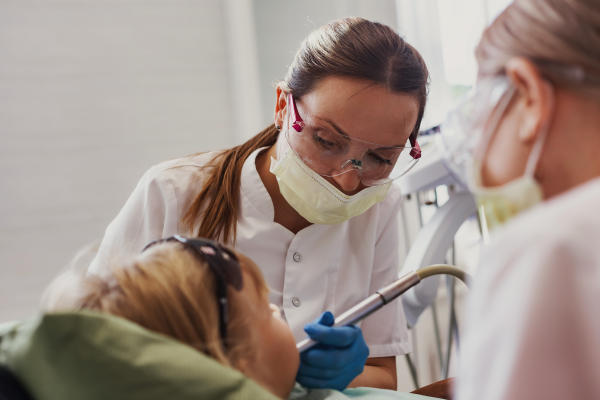
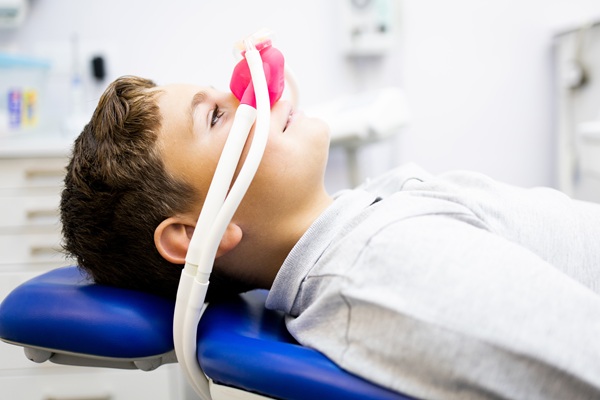
Many families delay appointments because kids worry about discomfort, unfamiliar tools, or past stressful experiences. However, a pain-free pediatric dentist can make visits feel calmer for children by focusing on gentle techniques, clear communication, and comfort-centered care. Here is how a pain-free dentist creates a supportive dental care environment to make preventive care easier to maintain.
Why a pain-free pediatric dentist matters
Comfort matters because children form fast opinions about dental care. A single overwhelming visit can lead to resistance, tears, or avoidance at future appointments. Therefore, a comfort-first approach aims to reduce fear and fosters cooperation, helping the dental team deliver better care. Over time, a pain-free pediatric dentist supports healthier habits because children are more willing to show up consistently.
Pain-free care is not only about avoiding feelings during procedures. It includes pacing, explanation, and the creation of a sense of control for the child. Small steps like describing what happens before it happens, offering breaks, and using child-friendly language can lower anxiety. When anxiety decreases, the mouth relaxes, making cleanings and exams feel easier.
Signs a practice prioritizes gentle, kid-friendly care
A child-focused office often uses the "tell-show-do" approach, introducing tools gently before use. This helps children understand what sensations to expect, which reduces surprise. Further, a calm tone, a friendly care team, and positive reinforcement also shape the entire experience. A pain-free pediatric dentist typically trains the team to watch for signs of stress and to adjust quickly.
The environment also matters. Therefore, many pediatric dentists incorporate kid-friendly operating rooms, distraction options, and a welcoming waiting area to reduce pre-appointment tension. Children often do better when they feel seen and respected rather than rushed. Of course, comfort is also supported by clear communication with parents, since families need to understand the plan without alarming language.
How a pain-free pediatric dentist handles preventive visits
The best time to set up comfort is during routine cleanings and exams. Preventive visits help children learn that dentistry can be easy and non-threatening. In addition to the previously discussed techniques and environment, the practice will host a gentle care team that can coach kids in brushing and flossing without shame, keeping them engaged rather than defensive. When prevention is consistent, cavities are less likely to develop, which means fewer appointments requiring numbing or sedation.
Preventive care also includes early detection of risk. A pain-free pediatric dentist looks for weak enamel, early demineralization, and plaque traps that increase the risk of cavities. They may recommend fluoride and sealants to strengthen enamel and protect molars. Consistent prevention supports the "pain-free" experience by reducing the likelihood of more invasive procedures.
What to expect if treatment is needed
Even with prevention, some children need fillings, pulp therapy, or other corrective treatments. During these appointments, the dentist will continue to prioritize comfort-focused care, beginning with explaining why treatment matters in age-appropriate language. They will also introduce numbing, slow technique, and reassurance throughout the process. The pain-free pediatric dentist also checks for numbness before starting and continues to monitor comfort throughout treatment.
It is important to remember that aftercare matters just as much as active care. Parents should understand when numbness wears off, how to prevent lip or cheek biting, and which foods feel easiest right after treatment. Pain is not the goal, so the plan should include realistic expectations for mild soreness and how to manage it safely. Clear communication helps families feel prepared rather than surprised.
How parents can support a pain-free experience
Kids often pick up on adult cues, so calm preparation helps. Avoid scary stories or jokes about needles and drills, even if meant to be playful. Focus on simple positives, such as clean teeth, a strong smile, and a quick visit. Scheduling at a time when the child is rested and fed also supports a smoother appointment.
Home routines also matter. Brushing twice daily with fluoride toothpaste and cleaning between teeth reduces plaque and lowers the risk of cavities. Limiting frequent sugary snacks and acidic drinks supports healthier enamel. These habits support a pain-free pediatric dentist by making visits simpler and more comfortable.
Schedule your child's appointment
Finding a pain-free pediatric dentist means looking for a team that prioritizes comfort through gentle techniques, clear communication, and child-friendly pacing. A supportive office helps children feel safe during preventive visits and more confident if treatment becomes necessary. If it is time for your child's next dental appointment, contact Grand Parkway Pediatric Dental.
Request an appointment here: https://www.grandparkwaypediatricdental.com or call Grand Parkway Pediatric Dental at (832) 579-0960 for an appointment in our Richmond office.
Check out what others are saying about our dental services on Yelp: Pain-Free Pediatric Dentist in Richmond, TX.
Recent Posts
Kids dental crowns are caps that cover and replace natural tooth structures to restore their shape, function, and appearance. They are a popular restorative treatment that can address various dental issues. By investing in kids dental crowns, you are not only restoring the look of your child’s smile, but you are also safeguarding their future…
A sedation dentist can help make dental restorations, such as dental crown placement, a calm and tear-free experience for your child. If dental visits and procedures make your little one feel anxious or stressed, learning about relaxation techniques can help ease your worries. Sedation dentistry can help children feel comfortable and build the confidence to…
Kids dental crowns can restore decayed and damaged teeth, even when fillings are not an option. They can also be combined with other restorations, such as dental bridges, to replace missing teeth. Covering, reinforcing, or replacing teeth with crowns promotes good oral health. Crowns also support a child’s oral development, improving speech development, social skills,…
Kids dental crowns can treat many dental issues, including cavities that are too large for traditional filling material. Cavities can eat away and weaken children's teeth, requiring restorative treatments to protect the teeth's structure and function. Here are the details about when dental crowns can help after a cavity treatment.A pediatric dentist may suggest a…