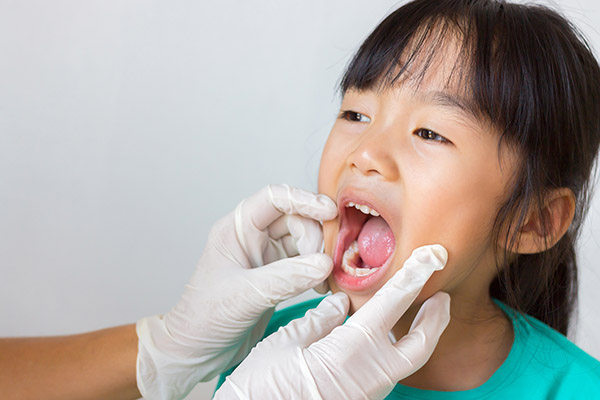
Pediatric dentistry has many techniques veering toward the prevention of dental problems. Fluoride is a natural element capable of strengthening teeth. It also protects the teeth from bacterial damage. Adding fluoride to water is a good way to introduce the element into your child’s teeth and gums. If you want to know how fluoridated water can contribute to preventive pediatric dentistry, here are the details.
Essentials of fluoride
Fluoride is a natural component of water. It is a compound from fluorine, which is an element present in the Earth’s crust. It can prevent and even correct the beginning stages of tooth decay. Cavities form when there is plaque and tartar buildup. The sticky layer of bacteria breaks down the enamel.
Dental damage results in tooth pain. It can even lead to tooth loss if it does not get immediate pediatric dentistry treatment. Fluoride can get into the dental structure of a child’s developing teeth. It prevents the acid from demineralizing or dissolving the enamel. This element allows teeth to repair themselves. It also prevents new dental caries from developing.
Fluoride in the water supply
Mixing fluoride in the water has been happening for at least six decades. It is an affordable form of preventive pediatric dentistry. Studies show water fluoridation reduces cavities by up to 40%. Many households have fluoridated water from water processing plants. Others have natural, fluoride-rich water.
The public health department or a local laboratory can check the fluoride levels of the private local water source or the well water. Some parents prefer buying bottled fluoridated water for their children. Manufacturers place the fluoride content of the product. A fluoride concentration of more than 0.6 parts per million can lower the risk of cavity formation. This is a pediatric dentistry method of strengthening teeth.
A child’s need for fluoride
Children under six months do not need fluoride supplementation. This matter will be the topic of discussion by the sixth-month pediatric dentistry checkup. Children who live in a non-fluoridated area must have fluoride supplementation. The amount of fluoride a child gets depends on the child’s age.
A soft-bristled infant toothbrush is ideal for brushing a baby’s teeth. The fluoride toothpaste must be the size of a grain of rice. This will be enough to clean and protect the baby’s teeth. It also reduces the toothpaste the baby swallows.
At age three, the fluoride toothpaste must be the size of a pea. Children younger than six years have a tendency to swallow too much of the toothpaste. Supervising them will make sure they do not swallow the toothpaste. Spitting it is ideal.
Most children get the fluoride they need from supplementation or fluoridated water. Watching how much fluoride children take in will prevent overexposure to the element. Too much of anything is not good. Excessive fluoride in the system before eight years old can cause fluorosis. This involves the mottling or discoloration of permanent teeth. Fluorosis will need pediatric dentistry treatments.
Preventive pediatric dentistry is a good way to ensure your child’s good dental health
Dental caries can develop as soon as your child’s first tooth emerges. A dental appointment can help check the progress of your child’s dental development and health. Preventive pediatric dentistry can ensure the proper growth of your child’s teeth. It can also prevent dental issues and expensive dental treatments.
Request an appointment or call Grand Parkway Pediatric Dental at 832-579-0960 for an appointment in our Richmond office.
Recent Posts
Kids dental crowns are caps that cover and replace natural tooth structures to restore their shape, function, and appearance. They are a popular restorative treatment that can address various dental issues. By investing in kids dental crowns, you are not only restoring the look of your child’s smile, but you are also safeguarding their future…
Kids dental crowns can restore decayed and damaged teeth, even when fillings are not an option. They can also be combined with other restorations, such as dental bridges, to replace missing teeth. Covering, reinforcing, or replacing teeth with crowns promotes good oral health. Crowns also support a child’s oral development, improving speech development, social skills,…
Kids dental crowns can treat many dental issues, including cavities that are too large for traditional filling material. Cavities can eat away and weaken children's teeth, requiring restorative treatments to protect the teeth's structure and function. Here are the details about when dental crowns can help after a cavity treatment.A pediatric dentist may suggest a…