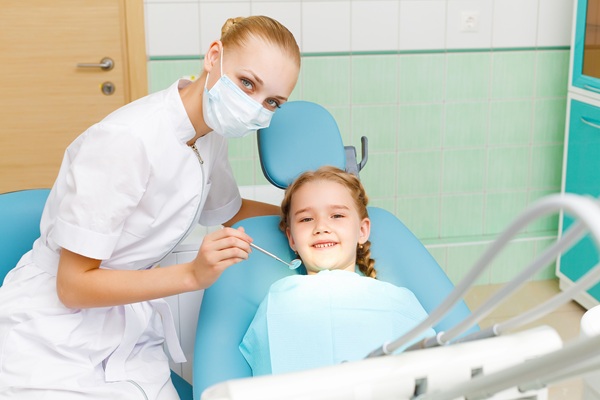
Learning that your child needs a baby root canal can be worrying for parents. This dental treatment preserves primary teeth, which are critical for long-term oral development. Although the appointment itself is straightforward, home care determines how effectively the tooth stabilizes. Preparing in advance can help you confidently support your little one’s recovery, ensuring the treated primary tooth remains functional until it falls out naturally.
Why children need this treatment
A baby root canal, professionally known as a pulpotomy or pulpectomy, becomes necessary when decay or trauma reaches the inner nerve of a primary (baby) tooth. The main goal is to remove the infection, relieve discomfort, and protect the tooth’s structure. Additionally, preserving primary teeth is essential to the child’s oral development. They hold space for adult teeth, support clear speech, and allow children to eat without pain.
After a baby root canal, the child’s oral tissues need time to recover from the dental work. Good post-procedure care at home reduces the risk of complications. It also extends the life of the dental restoration.
Simple oral hygiene tips
After a baby root canal, kids need to keep cleaning their teeth. Gentle brush strokes around the procedure site should begin the night of the procedure, unless the dentist provides specific instructions. A soft-bristled brush reduces irritation to nearby gum tissue while removing plaque. They should also continue to floss at least once a day, taking care not to dislodge the temporary restorations. If the dentist placed a stainless steel crown, clean areas around the crown edge to prevent plaque buildup and gum inflammation. Antibacterial rinses are usually not necessary for young children unless the provider prescribes one.
Dietary restrictions
Giving children the right food can also aid in the recovery process. Immediately after the appointment, soft options are best to avoid stressing the restored tooth. Popular choices include:
- Yogurt
- Mashed potatoes
- Scrambled eggs
- Oatmeal
- Smoothies
- Soft fruits
It is important for kids to avoid hard, sticky, or tough foods during the initial recovery phase. Items like caramel, gum, hard treats, popcorn, and ice can damage a temporary fix or a temporary crown. After the area heals, parents should also reduce their children’s sugar intake and encourage better oral hygiene.
How to ease the initial discomfort
Mild tenderness or sensitivity can occur for a few days after the dental visit. This response is normal and reflects temporary tissue inflammation rather than a failed treatment. The soft tissue in the area may appear red due to dental instruments or the placement of a new crown. Kid-friendly over-the-counter medication is typically enough for this temporary discomfort. A cold compress applied to the outside of the cheek reduces tissue puffiness during the first 24 hours. Children should avoid heavy pressure on that side of the mouth until the discomfort resolves.
That said, severe or constant pain, major inflammation, or a high fever warrants a follow-up visit to the dentist. These signs can indicate a residual infection.
Complications to watch for
Pediatric dental restorations have high success rates. However, parents should still pay close attention in the weeks after treatment. They should inspect their child’s mouth regularly for specific red flags that require professional care. These signs include:
- Severe inflammation of the gums or the face
- A bump or pimple on the gum near the tooth
- Suddenly, abnormal tooth looseness
- Consistent pain that lasts beyond the first week
- A loose, cracked, or broken dental crown
If any of these developments occur, families should contact the pediatric dental office right away. Immediate action prevents the need for more complex treatments or early tooth loss.
Why follow-up visits matter
Scheduled checkups allow for a full review of the recovery process. These visits confirm the complete absence of infection and verify normal root changes as the permanent adult tooth grows beneath the surface. Regular six-month exams should continue unless the pediatric dental team recommends an earlier appointment. Professional care ensures the restoration remains functional until the primary tooth falls out on its own. Skipping these appointments allows minor issues to go unnoticed, which can undermine the overall success of the treatment.
Book a follow-up appointment today
A baby root canal is a reliable way to restore your child’s tooth and prevent complications associated with premature primary tooth loss. If your little one develops unexpected symptoms after the procedure, a quick call to a trusted dental provider can give you peace of mind. Call our Richmond office to book a follow-up and protect your child’s long-term oral health.
Request an appointment here: https://www.grandparkwaypediatricdental.com or call Grand Parkway Pediatric Dental at (832) 579-0960 for an appointment in our Richmond office.
Check out what others are saying about our dental services on Yelp: Baby Root Canal in Richmond, TX.
Recent Posts
A pediatric root canal is an essential procedure for saving a damaged tooth. This treatment addresses deep decay while ensuring that the primary tooth remains in place to guide the eventual eruption of permanent teeth. After the initial treatment is complete, the focus must shift to providing a durable restoration that can withstand the daily…
A pediatric root canal can restore your child’s infected tooth. The pediatric dentist will assess the child’s painful tooth. Recommending this procedure can prevent the infection from spreading. Here are the details on what to expect after your child’s scheduled pediatric root canal.Preparing the child well can cause the young patient to relax and cooperate.…
Looking for baby root canal information? Pediatric dentists are dental specialists who serve as great resources to utilize when parents are preparing their child for a pediatric root canal. Baby root canals are similar to traditional adult ones; however, they are geared toward the primary teeth, also known as the baby teeth. Of course, the…
A baby root canal is sometimes necessary for your child. It is also a common treatment that is often performed on this type of teeth. A root canal treatment is usually carried out on an infected tooth. This can happen because of decay, but it can also be because of an injury to the tooth.…