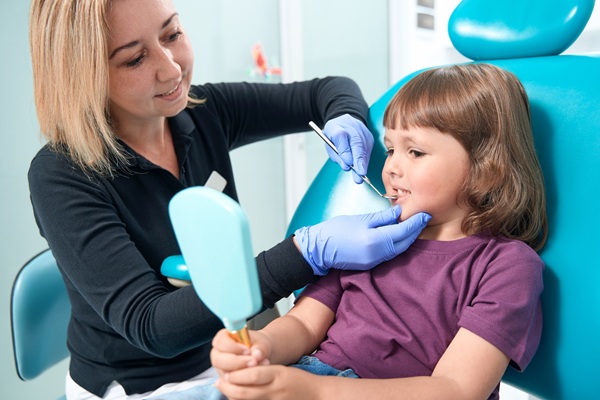
Kids orthodontics begins with a first appointment that can shape how you and your child view orthodontic care for years to come. We design the initial visit at a pediatric dental office to be informative, gentle, and reassuring rather than overwhelming. Here is what you should know about what to expect during your child's first orthodontic appointment.
The importance of early orthodontic visits
The American Association of Orthodontists recommends that children receive an initial orthodontic evaluation around age seven. At this stage, the jaw is still developing, and a mix of baby teeth and permanent teeth is present. This timing allows a pediatric dental professional to identify potential concerns before they become more complex and require more extensive treatment. The dentist can detect issues, such as:
- Severe crowding
- Premature or delayed permanent tooth eruption
- Protruding teeth
- Severe overbite or underbite
- Crossbites or jaw growth irregularities
- Abnormal swallowing habits
- Tongue thrusting habits
- Missing or extra teeth
- Habits that affect tooth positioning (e.g., prolonged pacifier or sippy cup use)
While the child's orthodontic treatment may not begin immediately after the initial assessment, early monitoring can reduce the length or complexity of future care.
How to prepare for the first assessment
Parents should approach kids orthodontics appointments with a calm and open mindset. If they are visiting a new dental office, they will need to gather the child's dental records, X-rays, or referral notes from their previous provider. Parents should also discuss the visit in positive terms at home, emphasizing that the appointment is about learning and planning rather than immediate treatment. In kids orthodontics, the first visit is as much about building the child's trust as it is about the evaluation. A relaxed environment helps young people feel comfortable and engaged throughout the appointment.
What to expect during the initial evaluation
The first appointment typically begins with a review of dental and medical history. The pediatric dentist takes the time to understand any concerns related to oral habits, speech development, or previous dental experiences. This background helps guide the clinical examination.
Next, the dentist will perform a comprehensive orthodontic exam. The dental provider will examine the child's tooth alignment, jaw position, bite function, and facial balance. The dental team may also take digital X-rays or photographs to gain a clearer view of the underlying tooth roots and developing permanent teeth. These diagnostic tools are essential because they allow the pediatric dentist to make an accurate assessment without invasive procedures.
Discussing findings and recommendations
After completing the evaluation, the pediatric dentist will take the time to review their findings in detail. This discussion includes whether they recommend orthodontic treatment now, later, or not at all. In many cases, the dentist will recommend observation with periodic checkups as the best course of action.
When the dentist recommends early treatment, they will explain the available options. Early kids' orthodontic treatment, or Phase One orthodontics, may involve space maintainers, palatal expanders, or limited-phase braces. These treatments may involve guiding jaw growth, creating space for permanent teeth, or correcting harmful bite patterns. The dentist will also discuss estimated timelines and the importance of the child's and parents' compliance for successful treatment outcomes.
Addressing common questions and concerns
Families often have similar questions during the first appointment. They may have concerns about their child's discomfort or the length of treatment. They may also wonder how long the orthodontic treatment will take. Fortunately, modern orthodontic techniques prioritize comfort and efficiency.
When treating young patients in kids' orthodontics, transparency builds their confidence and that of their family. The pediatric dentist will explain the potential benefits, limitations, and alternatives to help parents make informed decisions about their child's orthodontic care. Open communication ensures that everyone involved has clear expectations that remain realistic throughout the treatment process.
Monitoring and follow-up
Even when treatment does not begin immediately, follow-up visits are an important part of orthodontic care. Pediatric dentists typically recommend periodic evaluations to monitor the young patient's jaw growth and tooth eruption. These visits allow adjustments to the treatment plan as needed. Consistent monitoring is a proactive approach in kids' orthodontics and ensures that intervention happens at the most effective time, simplifying future treatment and improving the long-term results.
Start your child's journey toward a healthier smile
The first kids' orthodontic appointment is an important milestone in your child's dental journey. This initial visit provides clarity, reassurance, and a thoughtful plan that supports healthy development. Help your child take the first positive step toward a healthier and more confident smile by scheduling their first appointment at our Richmond office.
Request an appointment here: https://www.grandparkwaypediatricdental.com or call Grand Parkway Pediatric Dental at (832) 579-0960 for an appointment in our Richmond office.
Check out what others are saying about our dental services on Yelp: Orthodontics for Children in Richmond, TX.
Recent Posts
Finding the right kids dentist is important for protecting your child's oral health future. In addition to finding a skilled pediatric dentist who can build a solid rapport with your child, the location and convenience are also important. We hope this simple guide to finding a kids dentist near you simplifies your search.A kids dentist…
Regular appointments with your kids dentist can give your child a great start when it comes to oral health. Statistics show that only about 51.4% of children have regular dental checks at least once each year. Finding proper dental care for kids is extremely difficult. But asking the following questions can help you know your…
Dental bonding for kids can support small cosmetic repairs and minor tooth defects, but it does not replace the role of a traditional filling when a cavity extends deeper into the tooth. Pediatric dental care focuses on protecting enamel, supporting healthy development, and keeping treatment comfortable for growing patients. Clear guidance helps families understand why…
A kids dentist will routinely order dental X-rays for patients. For many patients, young and old, dental X-rays are not necessary at every visit. They can reveal key information about your child's oral health, as well as the development of the jaw. A kids dentist can use these X-rays to address various oral health concerns…