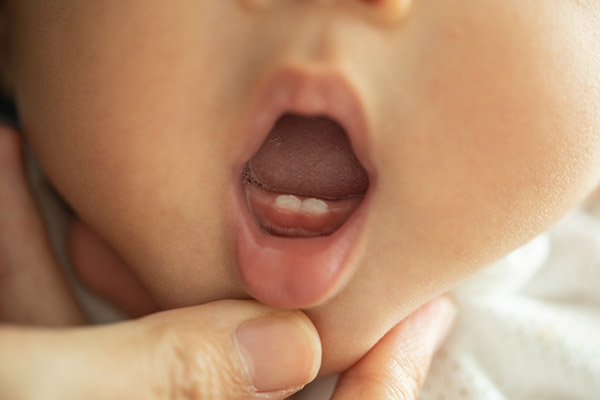
A pediatric dentist recommends parents have their infant visit six months prior to the first teeth emerging. Read on to learn tips for caring for your infant's first teeth. Parents are also encouraged to bring their infants to the pediatric dentist after their teeth first emerge. This review offers tips from a pediatric dentist on how to care for your child’s first teeth right after they come through.
A pediatric dentist explains how to care for your infant’s first teeth
Parents can help protect their child’s first teeth after they emerge by brushing them regularly, flossing (once teeth touch together), monitoring their diet, and scheduling check-up visits with a pediatric dentist. By following these tips, parents can significantly reduce the risk of their infant developing cavities or other oral health concerns.
Brush at least twice per day
First and foremost, brushing is the easiest and best defense against oral health concerns in infants. Of course, until your child is capable of adequately brushing on their own, brushing is the parent’s responsibility. It is important to remain consistent with their brushing routine and reach all areas of teeth without brushing the gums with too much pressure.
Floss regularly once teeth touch together
Floss is not necessary until the infant’s teeth begin to touch together. However, when they do start to touch, flossing becomes important for the prevention of gum disease and of cavities in the hard-to-reach areas of teeth. It is helpful to encourage children to floss at a young age so they can develop habits that carry over to when they become teenagers and adults.
Monitor your child’s diet
An infant’s diet is relatively restricted and controlled in the first place, so this tip may not necessarily take effect until the child is older. However, considering the way dietary choices impact your child’s oral health (as well as general health) can never begin too soon. Certain foods and drinks, such as citrus fruits and those that contain carbohydrates, can increase the risk of tooth decay and gum disease.
Schedule regular check-up visits
Regular check-up visits with a pediatric dentist are strongly encouraged to reduce the risk of developing concerns. Ideally, infants and children should visit the pediatric dentist approximately every six months for a check-up and routine dental cleaning.
Check for signs of complications
It can also be helpful for parents to regularly check their infant's teeth and gums for any signs of complications. If it seems as if they are experiencing any pain inside the mouth, then a dental visit may be necessary. Parents should also have their infant see a pediatric dentist if there are any visible concerns such as gum swelling or small holes in the teeth.
Have your child’s first teeth come through?
Here at our pediatric dentistry, we help children develop good oral hygiene habits at a young age. If your infant’s first teeth have erupted, then we encourage you to schedule a visit with our team for a check-up and to learn more about how you can protect their teeth from childhood cavities.
Request an appointment or call Grand Parkway Pediatric Dental at 832-579-0960 for an appointment in our Richmond office.
Recent Posts
Kids dental crowns are caps that cover and replace natural tooth structures to restore their shape, function, and appearance. They are a popular restorative treatment that can address various dental issues. By investing in kids dental crowns, you are not only restoring the look of your child’s smile, but you are also safeguarding their future…
Kids dental crowns can restore decayed and damaged teeth, even when fillings are not an option. They can also be combined with other restorations, such as dental bridges, to replace missing teeth. Covering, reinforcing, or replacing teeth with crowns promotes good oral health. Crowns also support a child’s oral development, improving speech development, social skills,…
Kids dental crowns can treat many dental issues, including cavities that are too large for traditional filling material. Cavities can eat away and weaken children's teeth, requiring restorative treatments to protect the teeth's structure and function. Here are the details about when dental crowns can help after a cavity treatment.A pediatric dentist may suggest a…