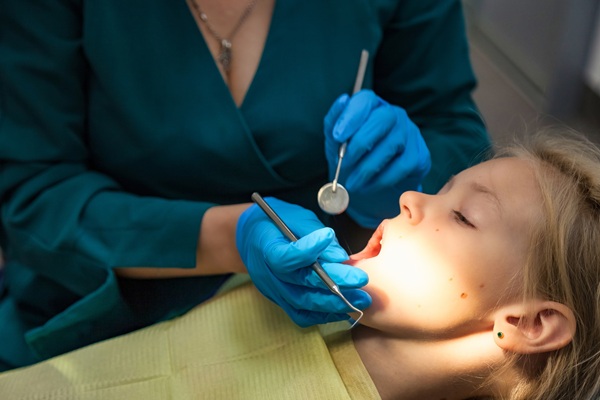
Pain Free Pediatric Dentistry: Popular Options

Sometimes, options for pain free pediatric dentistry are recommended to help a child relax in a dental chair, and other times, they are necessary for the procedure. In either case, pain free pediatric dentistry can make a dental operation more tolerable for children. This is an ideal technique for children with special needs or those who suffer from dental anxiety.
Common options in pain free pediatric dentistry
Sedative techniques enable children to relax or sleep during a dental procedure so they only have pleasant memories of dental visits. The most obvious advantage is that pain free pediatric dentistry enables children to go through treatment that would otherwise be painful. Different methods are available, depending on the pediatric dentist and the child’s medical history.
For children, there are four sedation stages: minimum sedation, moderate sedation, deep sedation, and general sedation. The child will be awake and observe everything that happens under minimal sedation, but they will not experience any sensation. The child will be conscious after a mild sedation experience, but they will find it hard to recall the procedure. For deep sedation, the child will have no memory of the treatment.
Sedation can be an ideal choice for children with special needs to help adapt them to the situation. Popular options for sedation include the following.
Nitrous oxide
Nitrous oxide is so widely used that many individuals are unaware that it is a type of sedation dentistry. Sometimes known as laughing gas, it is supplied through a mask worn over the child’s nose for inhalation. Following the procedure, the dentist will turn off the nitrous oxide and allow the child to breathe pure oxygen for a short time. There are no long-term effects.
Oral sedation
This type of sedation entails ingesting a tablet. The medication is usually given to the child at the dentist’s office, and the effects kick in after around 20 minutes. In some situations, parents may need to purchase the medication from the pharmacist so the child can take it right before their appointment. The tablet helps with dental anxiety.
IV sedation
A child can get sedation medication intravenously, which is ideal for lengthier treatments because the dentist can administer additional doses as required. The effect is felt almost immediately, unlike with oral sedation.
Painless injections
Anxiety about visiting the dentist often stems from a phobia of needles, rooted in an underlying fear of pain. Patients who suffer from dental anxiety may have a full-blown panic attack at the thought of having an injection alone. Topical anesthetics are often used in pain free dentistry to lessen the unpleasantness of an injection.
Extremely thin needles are used in the dental profession to help patients overcome their fear of injections. Due to their tiny size, these injections are often less painful than many others. The child may feel just a mild sensation when the injected chemical makes its way into the tissues. Children are less likely to be anxious about seeing the dentist if they do not fear the injections.
The need for pain free pediatric dentistry
Many Americans suffer from dental anxiety, with most attributing it to a traumatic event in their formative years. It is difficult for pediatric dentists to do high-precision operations on extremely young children because they cannot sit still for long enough. Children and adults can both benefit from pain free dentistry because it makes the experience more comfortable and significantly lowers the likelihood of harm.
Some kids have trouble calming down at the dentist. Pain free options enable them to feel more at ease throughout the therapy, improving their outlook on treatment. This option also helps children who have special needs because it can curb impulsive actions and ensure considerate interactions. If a child has avoided the dentist because of the fear of pain, pain free dentistry may help.
Sedation dentistry not only has the advantage of preventing a child from becoming a fearful adult, but it also makes dental operations more successful. If the child is not too fidgety, the dentist will have a higher chance of successfully completing the procedure in a single visit. Since sedation can leave children with little to no recollection of the process, the odds of a child having a traumatic treatment or visit are significantly reduced.
In conclusion
Giving a child dental care at a young age is critical, and as parents, you want them to have proper dental care throughout their lives. Pain free pediatric dentistry is effective because it makes the appointment go more smoothly and prevents the patient from developing a fearful mindset about dental offices.
Request an appointment here: https://www.grandparkwaypediatricdental.com or call Grand Parkway Pediatric Dental at (832) 579-0960 for an appointment in our Richmond office.
Check out what others are saying about our services on Yelp: Read our Yelp reviews.
Recent Posts
Kids dental crowns are a versatile solution in pediatric dentistry. They help protect damaged teeth and support the replacement of missing ones, making them a reliable option for long-term oral health. They can also improve the appearance of the smile. Pediatric dentists recommend crowns to restore function, protect developing teeth, and ensure a healthy, lasting…
Kids dental crowns are a popular option for restoring a smile and offer benefits to children of all ages. A dental crown is a customized, tooth-shaped cap placed over a damaged or compromised tooth to help restore its shape, size, appearance, and strength. Discover common signs indicating a kids dental crown is right for your…
Kids dental crowns reinforce a decayed or damaged tooth, restoring its function and beauty. These are just two of the many benefits of crowns. For instance, they also require minimal aftercare. Children of all ages can benefit in different ways from these versatile restorations.Kids dental crowns can restore a variety of dental conditions. They are…
Kids dental crowns stand out among dental restorations as versatile and effective solutions for various oral health issues. A dental crown, or "cap," covers and encases a damaged or weakened tooth, restoring its strength, function, and appearance. Its design is vital for children with damaged teeth, protecting their natural teeth while allowing their oral state…