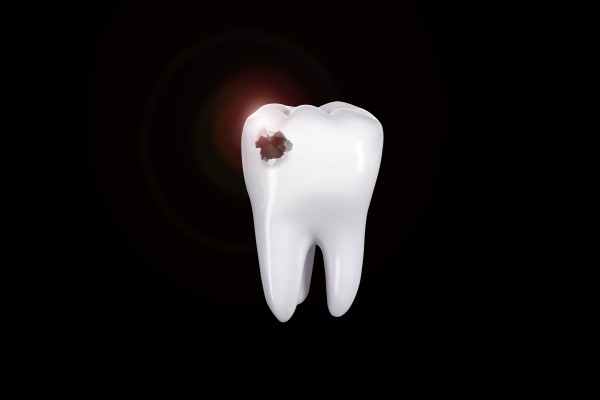
Tooth decay is one of the most common issues pediatric dental clinics deal with. It is caused by bacteria in the mouth converting the sugars in foods and beverages consumed into acids that destroy teeth structures.
Tooth decay occurs in stages, and the first is a demineralization phase that can be challenging to detect outside of a pediatric dental clinic. The second stage involves the formation of cavities. These are tiny holes that form on teeth surfaces as acids eat away at them. Left untreated, a cavity will expand until it leaves a tooth’s pulp compromised, and it can lead to the tooth falling out prematurely.
Children are more vulnerable to tooth decay than adults since their teeth have thinner enamel. Their pulp is also closer to the exterior of their baby teeth, increasing the risk of tooth infections.
Pediatric dental tips on preventing tooth decay
Parents should start cleaning their child’s mouth even before their first set of teeth begin to erupt. Bacteria in the mouth can convert sugars in milk, fruit juices, or formula into acids that attack their teeth and gums. An infant’s teeth might not be visible above the gums, but they are already developed in their jaw by the time they are born.
Nursing decay and baby bottle rot are often due to a child’s teeth not being cleaned after meals or when the child falls asleep while nursing. This gives bacteria extended periods to attack their teeth and gums. Not correctly cleaning a child’s teeth after nursing can lead to infection, toothaches, and damaged baby teeth that threaten to fall out prematurely as the child grows older.
Preventing nursing decay
Here are some simple things parents can do to protect their infant’s teeth from decay:
- Take the child to a pediatric dentist at least twice each year. The child should go in for their first dental appointment by their first birthday or by the time their first tooth erupts
- Wipe or rinse the child’s mouth once there are done nursing or using a bottle. This should be done consistently to deny oral bacteria the sugars they convert into acids that damage teeth. A soft, clean cloth should also be used to clean the infant’s gums
- As the child’s teeth begin to erupt, brush them after every meal. This protects their teeth against decay, and it helps to instill good brushing habits in the child early on
- Avoid giving the child sugar-rich snacks and treats. Instead, opt for healthy snacks like fruits and vegetables that have high water content. This helps to clean teeth and keep them healthy
Protect your child’s developing teeth
Tooth decay is a common dental issue that affects children, and it can lead to their teeth falling out. Keeping a child’s mouth clean goes a long way to prevent it, as do regular visits to a pediatric dentist. Give us a call or stop by our Richmond clinic to set up an appointment.
Request an appointment here: https://www.grandparkwaypediatricdental.com or call Grand Parkway Pediatric Dental at (832) 579-0960 for an appointment in our Richmond office.
Check out what others are saying about our dental services on Yelp: Pediatric Dentist in Richmond, TX.
Recent Posts
Kids dental crowns are a versatile solution in pediatric dentistry. They help protect damaged teeth and support the replacement of missing ones, making them a reliable option for long-term oral health. They can also improve the appearance of the smile. Pediatric dentists recommend crowns to restore function, protect developing teeth, and ensure a healthy, lasting…
Kids dental crowns are a popular option for restoring a smile and offer benefits to children of all ages. A dental crown is a customized, tooth-shaped cap placed over a damaged or compromised tooth to help restore its shape, size, appearance, and strength. Discover common signs indicating a kids dental crown is right for your…
Kids dental crowns reinforce a decayed or damaged tooth, restoring its function and beauty. These are just two of the many benefits of crowns. For instance, they also require minimal aftercare. Children of all ages can benefit in different ways from these versatile restorations.Kids dental crowns can restore a variety of dental conditions. They are…
Kids dental crowns stand out among dental restorations as versatile and effective solutions for various oral health issues. A dental crown, or "cap," covers and encases a damaged or weakened tooth, restoring its strength, function, and appearance. Its design is vital for children with damaged teeth, protecting their natural teeth while allowing their oral state…