Pediatric Dentist for Anxiety: What To Do if Your Child Fears Dental Visits
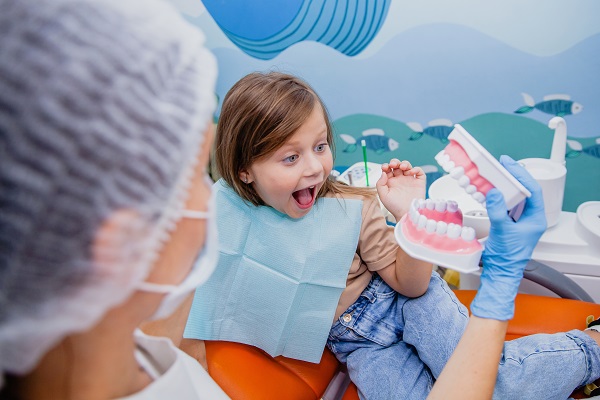
A pediatric dentist for anxiety can help your child to get past their fear of going to the dentist. Dental phobias are quite common, but they are one of those things you want to nip in the bud before it turns into a lifelong issue.
Going to a dentist can be an intimidating experience for a child. Dental anxiety affects many adults as well, and it often leads to poor dental health.
How a pediatric dentist for anxiety can help with dental phobias
Here are some ways a pediatric dentist for anxiety can help your child to get past their dental phobias:
Equips parents with skills to help the child
Parents can be very influential on how their children view things so dentists teach them ways to make their children feel more comfortable about going to the dentist. Educating the child about why they have to go to a dentist in the first place can help to ease their fears. Parents can familiarize the child with the clinic by showing them pictures of the clinic or taking them for a visit that does not involve getting any treatments. Giving children treats after dental appointments can also help to make the experience a positive one.
Sets the right atmosphere
Pediatric dentists spend most of their time working with children so their clinics are often tailored for their patients. Waiting rooms are typically loaded with all sorts of toys and games, while popular kids' shows are continuously played on TV screens. It turns the visit into a fun affair and lowers their anxiety.
Pediatric dentists also work with tools and equipment that are designed specifically for children. They are made to look less frightening and to be quieter so they are less intimidating.
Dental sedatives
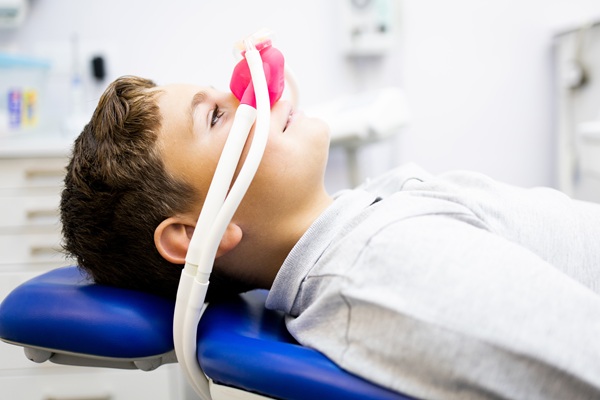
Dental sedatives can also help to keep a child with dental anxiety relaxed during their treatment. The severity of the child’s anxiety often determines what type of sedatives are recommended. Sometimes, sedatives are used on children who do not have dental phobias to keep them relaxed during long treatments that require the child to be still for hours.
Examples of popular sedatives that are used on pediatric patients include nitrous oxide (better known as laughing gas). This quick-acting gas makes the child feel relaxed and happy during their treatment, and it wears off within minutes once the dentist stops delivering it to the child’s nose with a face mask.
FAQs about children with dental phobias
Here are the answers to some of the questions you might have regarding helping your child get past their dental phobias:
Why do some children have dental phobias?
There are a few reasons why some children might develop dental phobias. If they had a bad experience at the dentist, they might be afraid of going back. They may also have seen someone else (such as a family member or friend) have a terrible experience at the dentist, which scares them. Additionally, some children are just more sensitive to pain than others and may be afraid of a dentist causing them pain.
How can I tell if my child has a dental phobia?
There are a few signs that you can look for that may indicate that your child has a dental phobia. If they start to avoid talking about going to the dentist or if they make up excuses not to go, this may be a sign that they are afraid. Additionally, if they start to show physical signs of anxiety such as sweating, shaking, or crying, this is also an indication that they may be scared of the dentist.
How can I help my child overcome their dental phobia?
There are a few things that you can do to help your child overcome their dental phobia. First, you can talk to them about their fear and try to get them to open up about what is making them scared. Once you know the root of their fear, you can work on addressing it. Additionally, you can look for a dentist who works with children with dental phobias. This can help make the experience more positive for your child and may help them overcome their fear.
Finally, you can try desensitization techniques with your child, such as having them practice sitting in the dentist’s chair or looking at pictures of the dentist’s office. This can help them become more comfortable with the idea of going to the dentist and may make the experience less scary.
We can help with your child’s dental anxiety
The right pediatric dentist will show your child that dental appointments are nothing to be scared of. Contact us today to set up an appointment.
Request an appointment here: https://www.grandparkwaypediatricdental.com or call Grand Parkway Pediatric Dental at (832) 579-0960 for an appointment in our Richmond office.
Check out what others are saying about our dental services on Yelp: Pediatric Dentist in Richmond, TX.
Recent Posts
Kids dental crowns are caps that cover and replace natural tooth structures to restore their shape, function, and appearance. They are a popular restorative treatment that can address various dental issues. By investing in kids dental crowns, you are not only restoring the look of your child’s smile, but you are also safeguarding their future…
Kids dental crowns can restore decayed and damaged teeth, even when fillings are not an option. They can also be combined with other restorations, such as dental bridges, to replace missing teeth. Covering, reinforcing, or replacing teeth with crowns promotes good oral health. Crowns also support a child’s oral development, improving speech development, social skills,…
Kids dental crowns can treat many dental issues, including cavities that are too large for traditional filling material. Cavities can eat away and weaken children's teeth, requiring restorative treatments to protect the teeth's structure and function. Here are the details about when dental crowns can help after a cavity treatment.A pediatric dentist may suggest a…
When a child’s tooth becomes damaged or severely decayed, a pediatric dentist may recommend a kids dental crown as an effective solution. These crowns restore the tooth’s function, strength, and appearance while preventing further complications. While baby teeth are temporary, they are a fundamental part of speech development, proper chewing, and guiding the permanent teeth…