 In
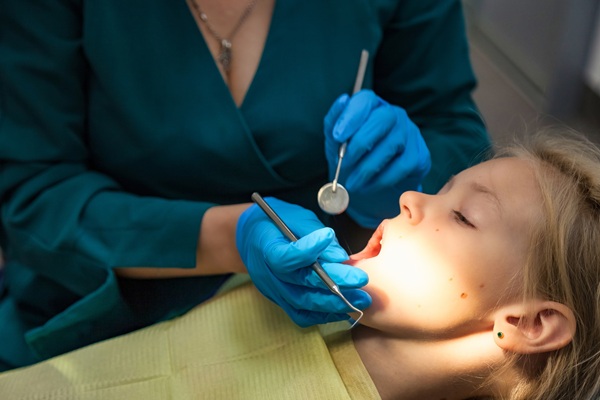
pediatric dentistry, dental professionals understand that parents play a big role in their children's oral health. You are a guide and model along the way, helping your children build healthy habits and routines. However, cavities in children are common. According to the Centers for Disease Control and Prevention, more than 50% of children between the ages of 6 and 19 have had at least one cavity. During each phase of growing up, there are different ways to care for your child's teeth and gums.
In
pediatric dentistry, dental professionals understand that parents play a big role in their children's oral health. You are a guide and model along the way, helping your children build healthy habits and routines. However, cavities in children are common. According to the Centers for Disease Control and Prevention, more than 50% of children between the ages of 6 and 19 have had at least one cavity. During each phase of growing up, there are different ways to care for your child's teeth and gums.
Phases of oral health hygiene
Even before a baby gets his or her teeth, you can begin dental hygiene by using a damp wash cloth to clean the baby's gums after each and every feeding. Once the teeth begin to come in, there are some things to be aware of.
Babies aged 6 months to 2 years old
Baby teeth can begin to emerge in a baby as early as 6 months. At this point, you can use a soft-bristled brush to clean each tooth. Use a toothpaste with no fluoride at this young age. You can also schedule a baby's first pediatric dentistry appointment as soon as the first tooth arrives, or at the age of 1, whichever comes first.
After the initial appointment, you should bring the baby in for professional dental appointments twice a year. Continue to brush your baby's teeth with a soft brush and small amount of toothpaste, and avoid sending the baby to bed with a bottle of milk or juice, as this increases the chances of decay.
Young children 2 to 7 years old
A child should have a full set of baby teeth by 2 or 3 years of age. You can start to teach your young child how to brush his or her own teeth around the age of 3, although you should assist them. Once they are 5 or 6, children can start brushing on their own. This is the age that you can start flossing as well.
Children 7 to 12 years old
Children often begin to lose their baby teeth around the age of 7. At this point, a pediatric dentistry professional will probably begin taking X-rays to ensure the permanent teeth are coming in properly.
At these ages, children understand more, so you can continue to teach them why regular brushing and flossing is important. They can also start to floss on their own. You can teach them how sugar increases tooth decay and how making healthy food choices improves dental health.
Teenagers
Teenagers have all their permanent teeth, with the possible exception of the wisdom teeth. At this stage, they should continue with good habits, and the dentist may recommend braces at some point.
Conclusion
Oral hygiene habits evolve as a child ages. As a parent, you can be a good role model and encourage healthy habits. It is also important to discuss any dental concerns with your pediatric dentistry professional along the way.
Request an appointment or call Grand Parkway Pediatric Dental at 832-579-0960 for an appointment in our Richmond office.
Recent Posts
Kids dental crowns are a versatile solution in pediatric dentistry. They help protect damaged teeth and support the replacement of missing ones, making them a reliable option for long-term oral health. They can also improve the appearance of the smile. Pediatric dentists recommend crowns to restore function, protect developing teeth, and ensure a healthy, lasting…
Kids dental crowns are a popular option for restoring a smile and offer benefits to children of all ages. A dental crown is a customized, tooth-shaped cap placed over a damaged or compromised tooth to help restore its shape, size, appearance, and strength. Discover common signs indicating a kids dental crown is right for your…
Kids dental crowns reinforce a decayed or damaged tooth, restoring its function and beauty. These are just two of the many benefits of crowns. For instance, they also require minimal aftercare. Children of all ages can benefit in different ways from these versatile restorations.Kids dental crowns can restore a variety of dental conditions. They are…