Pediatric Endodontics: Saving Your Child’s Teeth
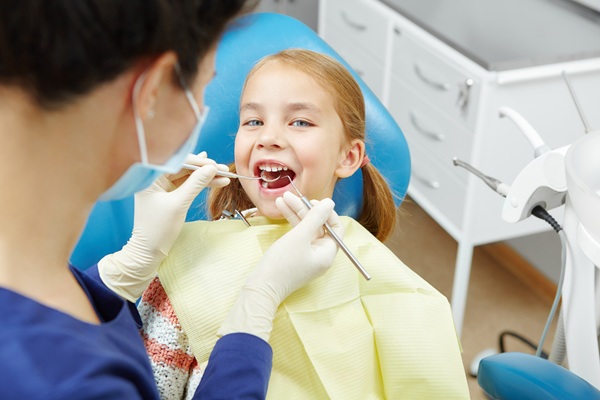
Pediatric endodontics protects a child’s natural tooth when the inner nerve tissue becomes irritated or infected. When deep decay, a fracture, or dental trauma reaches the pulp, prompt treatment can relieve discomfort and preserve normal chewing, speech, and smile development. Saving a primary tooth often supports healthy spacing for adult teeth and helps guide proper eruption patterns. With modern techniques and child-centered care, many teeth that once required extraction can remain stable and functional.
What pediatric endodontics treats
Inside every tooth sits a soft center called the pulp, which contains nerves and blood vessels. In children, the pulp chamber is relatively large, and the outer enamel and dentin layers can be thinner, so cavities may reach the pulp sooner than expected. Trauma from sports or play can also disrupt the pulp’s blood supply, leading to inflammation or infection over time.
Pediatric endodontics addresses conditions such as deep cavities close to the nerve, painful inflammation, abscesses, and injuries that crack or displace a tooth. Treatment aims to remove infection, control discomfort, and restore the tooth so it can continue supporting daily function. When managed early, these procedures can prevent swelling, reduce the need for antibiotics, and limit the risk of damage to surrounding tissues.
Signs a child may need endodontic care
Children do not always describe tooth pain clearly, and symptoms may appear as behavior changes. A pediatric dental team evaluates both visible signs and reported sensations to determine whether the pulp is involved. Some issues also appear after a fall or impact, even when the tooth seems intact at first.
Common signs that may indicate a need for pediatric endodontics include:
- Tooth sensitivity that lingers after cold, heat, or sweets
- Pain with chewing or pressure, especially on one tooth
- Swelling, a pimple-like bump on the gums, or drainage near a tooth
- Tooth darkening after trauma, which may signal nerve changes
- Persistent bad taste or odor that does not improve with brushing
These symptoms can overlap with other dental problems, so an exam with appropriate imaging helps confirm the source and guide the safest plan.
How diagnosis works in a child-friendly setting
Accurate diagnosis starts with a careful clinical evaluation. The dental team reviews the child’s symptoms, checks the bite, and examines for decay, cracks, or gum changes. Digital X-rays help identify deep cavities, infection around the root, or changes to developing tooth structures. In some cases, additional tests assess how the tooth responds to gentle stimulation, which can provide clues about pulp health.
A pediatric approach emphasizes comfort and communication. Explanations use age-appropriate language, and the pace of the visit may slow to reduce anxiety. When needed, behavior guidance strategies and sedation options may support a smoother experience, especially for children who feel fearful or have difficulty staying still.
Common pediatric endodontic procedures
Treatment depends on whether the pulp is inflamed but still healthy enough to recover, or infected and unable to heal. Preserving tooth structure remains a priority, and the goal is to keep the tooth comfortable and functional until the appropriate time for natural exfoliation or, in permanent teeth, for lifelong use.
Two common approaches include vital pulp therapy (pulpotomy or indirect pulp treatment) and pulpectomy or root canal–type therapy. Vital pulp therapy removes a small portion of irritated tissue or protects the pulp with medicated materials when the infection has not spread through the root. A crown or strong restoration often seals the tooth afterward. Whereas a pulpectomy removes infected pulp tissue from the crown and root canals, disinfects the space, and fills it with a child-appropriate material. A full-coverage restoration commonly follows to prevent reinfection.
For permanent teeth in growing children, procedures that protect developing roots may also be considered when trauma affects the pulp. The treatment plan should support both tooth survival and healthy root formation whenever possible.
Why saving primary teeth matters
Primary teeth do more than hold a spot. They help a child bite and chew comfortably, support clear speech development, and maintain facial structure. When a primary tooth is removed early, nearby teeth can drift into the open space. That shifting can reduce room for the adult tooth and increase the likelihood of crowding or eruption problems.
Book a consultation visit today
Pediatric endodontics helps save a child’s teeth by treating infection or inflammation inside the tooth and restoring strength with a reliable seal. When deep decay or trauma threatens the nerve, timely care can relieve discomfort, preserve spacing, and support healthy growth and development. Saving a primary tooth often preserves the path for the adult tooth and maintains daily function. With preventive habits and regular checkups, treated teeth can remain comfortable and dependable for years. For more information or to schedule an appointment, call our office.
To schedule a consultation, please request an appointment on our website at https://www.grandparkwaypediatricdental.com or call Grand Parkway Pediatric Dental at (832) 579-0960 to arrange an appointment at our Richmond office.
Check out what others are saying about our dental services on Yelp: Pediatric Endodontics in Richmond, TX.
Recent Posts
A pediatric dentist provides support within family dentistry. They exclusively focus on the oral health and developmental needs of young patients. The presence of a pediatric dentist ensures that children receive appropriate dental care that strengthens their long-term dental health. This approach promotes preventive dental care, patient comfort, and education in a way that is…
A pediatric root canal can save a baby, or primary, tooth when decay or infection reaches deep into the inner part of the tooth. After this restorative treatment, patients of all ages typically need a dental crown to cap the tooth and strengthen it. This can sound like a lot at first, especially for parents…
A kids dentist is experienced in solving many of the problems that are common in children or even unique to their developing dentition. Pediatric dental issues are typically due to kids’ developing oral healthcare habits and sugary diets. If your child is experiencing a dental problem or if you want to start them out on…
Finding the right kids dentist is a critical decision for parents. Pediatric dental care plays a vital role in a child’s overall health, and selecting a provider who meets a child's specific needs can set the stage for a lifetime of healthy habits. Understanding the qualifications and approach of a kids dentist will help parents…