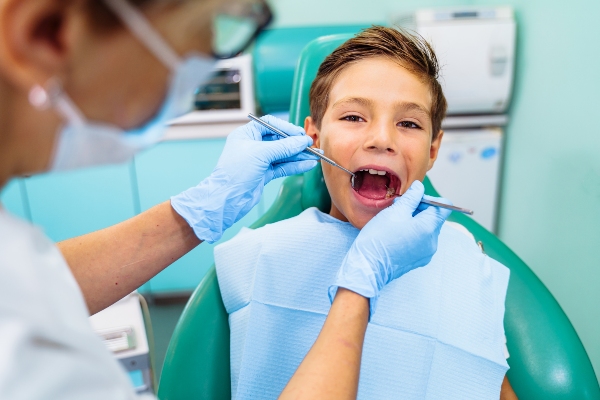
A pediatric root canal removes infected pulp that can spread infection and cause tooth pain. These procedures are sometimes needed to save children’s baby teeth. Here is a closer look at pediatric root canals and why they can be important.
What is a pediatric root canal?
Also referred to as baby root canals, these are endodontic procedures performed on baby teeth. There are two different types: pulpotomies and pulpectomies. A pulpotomy only removes the pulp in the crown of the tooth. The procedure is known as a pulpectomy if all the pulp, including from the root canals, is removed. They differ from adult root canals in that they are for baby teeth and do not use permanent filler. A pediatric dentist typically completes both procedures using local anesthesia.
Purpose of a pediatric root canal
The purpose of a baby root canal is to treat tooth pain, remove the infection, and preserve the baby tooth until it is ready to fall out and be replaced by an adult tooth. Though baby teeth eventually fall out, they still serve a crucial purpose. Baby teeth are placeholders for adult teeth and help ensure proper eruption. If baby teeth are lost too early, this can not only cause issues for the child with chewing and speaking but also disrupt the alignment of the child’s developing smile.
Reasons for a pediatric root canal
There are two primary reasons a child may need a pediatric root canal. Here is a closer look at each.
Tooth decay
A pediatric dentist can treat tooth decay with a filling when tooth decay forms a cavity. However, if tooth decay progresses and the living pulp inside the tissue is infected, it can cause a toothache and threaten the surrounding teeth and tissues. If the infection only affects the pulp in the crown of the tooth, the child may only need a pulpotomy, but the dentist will perform a pulpectomy if the infection is in the roots as well. After filling the tooth and restoring it with a filling, the dentist may reinforce the tooth with a dental crown depending on factors such as location and extent of damage.
Tooth damage
Children, especially active ones, can be more susceptible to accidents in which teeth are damaged. Sometimes, a pediatric root canal is necessary to repair a severely damaged baby tooth. For example, if the tooth is cracked and the crack reaches the tooth pulp and exposes the nerves, the tooth can become infected. In these cases, the dentist will likely treat the tooth with a baby root canal and reinforce the tooth with a crown to keep the crack from spreading. If a parent suspects their child has broken a tooth, they should have their child’s dentist evaluate it immediately. Also, it is a good idea to have active children fitted with a mouthguard to protect their teeth from damage during athletic activities.
Preserving baby teeth
Grand Parkway Pediatric Dental is dedicated to helping children develop healthy smiles. Baby teeth, though temporary, impact your child’s oral health in the future. Call us today if you have further questions on pediatric root canals.
Request an appointment or call Grand Parkway Pediatric Dental at 832-579-0960 for an appointment in our Richmond office.
Recent Posts
A pediatric root canal can save a baby, or primary, tooth when decay or infection reaches deep into the inner part of the tooth. After this restorative treatment, patients of all ages typically need a dental crown to cap the tooth and strengthen it. This can sound like a lot at first, especially for parents…
Learning that your child needs a baby root canal can be worrying for parents. This dental treatment preserves primary teeth, which are critical for long-term oral development. Although the appointment itself is straightforward, home care determines how effectively the tooth stabilizes. Preparing in advance can help you confidently support your little one’s recovery, ensuring the…
A children's root canal protects a natural tooth from further damage and allows them to maintain a healthy smile as the permanent teeth grow into place. This treatment removes the infection and stops the discomfort, but the way parents help them manage the hours after the visit plays a huge role in the final outcome.…