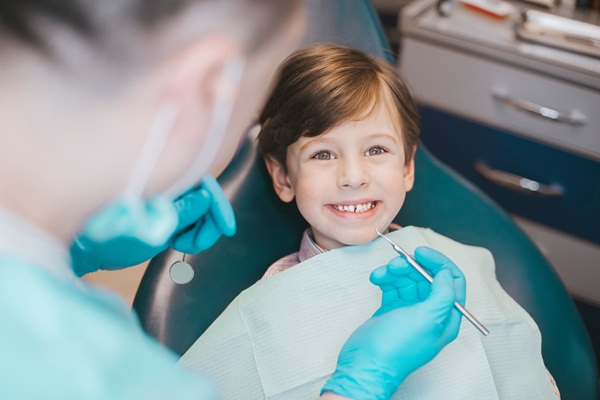
Phase 1 orthodontics involves treatment to adjust the position of the teeth in the mouth. This treatment begins in patients between ages six and nine to correct misaligned teeth. Because patients are young, they have a mix of baby teeth and adult teeth. Some parents worry about phase 1 orthodontics and what it entails. These are some frequently asked questions about phase 1 orthodontics.
Who can benefit from phase 1?
As many as three out of four children experience abnormal jaw growth or crowding issues. Between the ages of six and nine, many kids lose their deciduous or baby teeth and have new permanent teeth come in faster than kids experience jaw growth. This uneven development can lead to overcrowding and misalignment. This, in turn, can cause long-term issues with bite, chewing, abnormal tooth wear, and concerns about appearance. Children who show early signs of these issues can be good candidates for phase 1 orthodontics.
What are some of the procedures?
There are several ways that orthodontists can treat overcrowding and misalignment. These procedures differ from one patient to another. The doctor will take into account how well a patient will do with some therapies like headgear or retainers. Some of the most common procedures include:
- Tooth extraction: orthodontists may extract one or more teeth in the patient’s mouth. The teeth that the doctor extracts will depend. It could be due to overcrowding, or it could be because it is preventing a permanent tooth from coming in properly. Sometimes, baby teeth do not come out when they should, so the doctor will pull them.
- Space maintainers: if the orthodontist pulls some teeth in order to allow for the permanent teeth underneath to come up, then they may place space maintainers or spacers. This allows the adult teeth to come in without the obstruction of the previous tooth. By creating space, it allows the tooth to align better. An expansion appliance works similarly to create more space for future tooth eruption.
- Braces: in phase 1 orthodontics, braces are often limited over a small expanse of teeth. Because the teeth are often mixed, braces would be used on the permanent teeth to correct misalignment. These braces can move teeth that have shifted off-center. Even limited braces can close unwanted spaces.
Is my child too young?
Doctors recommend phase 1 orthodontics for children at this age because the goal is to reduce future dental problems. In later adolescence, the jawbone hardens, and teeth set firmly. It is much harder to correct alignment. As adult teeth begin to replace baby teeth, the orthodontist can note if teeth begin to turn or protrude. Misaligned teeth can cause overbite, underbite, and abnormal tooth wear.
A child who suffers from severe tooth or jaw problems at a very young age can have interceptive orthodontics. These early braces can correct cosmetic issues. It can also remove bullying and anxiety from a child’s life. It can also elevate the child’s self-esteem. Below are some of the dental conditions that phase 1 orthodontics can help with:
- Finger or thumb-sucking habits
- Crossbites of back and front teeth
- Spacing between teeth
- Deep overbite
- Dental crowding
- Underbite
- Flared upper teeth
Why a dentist may put braces on primary teeth
Putting braces on primary teeth can get rid of specific dental issues. Sometimes, dentists need to do this to achieve the desired outcome for the child’s permanent teeth. Baby teeth serve as anchors to close up dental space, close open bites, or even remove dental crowding. This will require the child to avoid hard foods and wear elastics with the braces.
Why a child may need to have an orthodontic checkup before seven years old
Before seven years of age, a child will start having adult teeth. There may still be some baby teeth left. This will be the most appropriate time to spot possible orthodontic problems with the child’s oral development. It is easier to correct any orthodontic issue while the jaws and teeth are still developing. Early detection and treatment can help the child’s speech and dental functions improve right away.
Consult your dentist about Phase 1 orthodontics
Phase 1 orthodontics is personalized. Some children with cleft lip or cleft palate may need phase 1 orthodontics along with other corrective procedures. Other children have several adult teeth come in before the jaw has grown large enough to accommodate them. It can be difficult to know whether to wait or to take action. A consultation with an orthodontist can help to figure out what issues may be going on.
Request an appointment here: https://www.grandparkwaypediatricdental.com or call Grand Parkway Pediatric Dental at (832) 579-0960 for an appointment in our Richmond office.
Check out what others are saying about our services on Yelp: Phase 1 Orthodontics in Richmond, TX.
Recent Posts
Kids dental crowns stand out among dental restorations as versatile and effective solutions for various oral health issues. A dental crown, or "cap," covers and encases a damaged or weakened tooth, restoring its strength, function, and appearance. Its design is vital for children with damaged teeth, protecting their natural teeth while allowing their oral state…
Dental veneers or kids dental crowns may both be viable solutions to improve the appearance and functionality of adult teeth. However, dental crowns are the best suited for repairing a child’s teeth. Discover why dentists recommend dental crowns for children.Dental veneers are thin porcelain or composite resin shells that the dentist will custom-design to fit…
Questions about teeth whitening for kids often begin when permanent teeth look darker than nearby baby teeth. While that difference can be normal because permanent teeth contain more dentin, which has a warmer tone, discoloration can also come from stains, injury, medications, developmental changes, or dental problems. Before whitening begins, our pediatric dentist can identify…
Kids orthodontics can help a pediatric dentist spot developing tooth and bite concerns before they become harder to manage. Some children may benefit from early treatment that guides jaw growth, creates space, or helps permanent teeth come in more comfortably. A dentist can examine the teeth, bite, and oral habits to decide whether a child…