Preventive Pediatric Dentistry Treatments
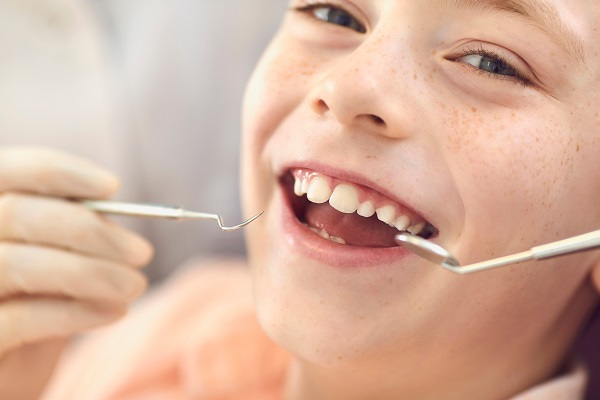
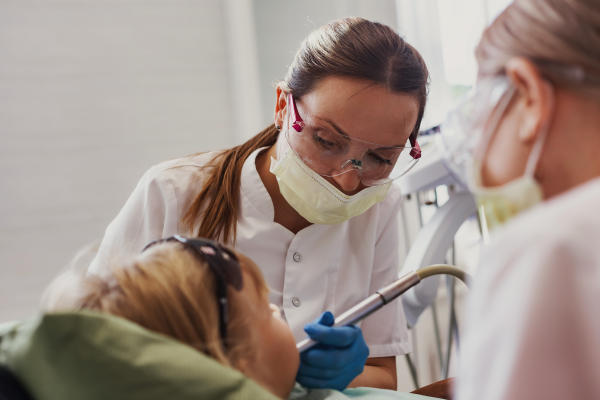
When it comes to pediatric dentistry, preventative care is paramount. Not only do pediatric patients prefer gentle, quick treatments over invasive restorative procedures, children's teeth also benefit greatly from simple and effective preventative measures, such as fluoride use and tooth sealants. Additionally, any education and modeling that may occur with a dentist or assistant during a preventative care procedure can go a long way in helping a child or adolescent to adopt proper hygiene and oral care.
Regular fluoride use
According to the American Dental Association, fluoride has been called "Nature's cavity fighter" and has been widely used in pediatric dentistry for decades as a way to strengthen and protect teeth from decay. If a patient's drinking water does not contain sufficient amounts of fluoride, a dentist may prescribe fluoride treatments as part of a preventative care plan.
Are there multiple ways to administer fluoride?
Typically, fluoride comes in two forms, either a chewable tablet, or some topical application, such as a varnish, gel, or toothpaste. Many pediatric dentists apply a fluoride gel or varnish directly onto the patient's teeth with the use of a small brush. However, for children or adolescents who may have a high risk of developing cavities, the dentist may also suggest using a specially formulated toothpaste that offers an extra boost of fluoride on a daily basis.
Is fluoride use safe for a child?
The short answer to this is yes. For over 70 years, fluoride has been recognized as a significant help in the fight against cavities. It is a safe and healthy part of a preventative treatment plan for children and adults alike and is highly recommended by the American Dental Association.
Tooth sealants where necessary
In addition to fluoride treatments, the use of dental sealants may also be effective in preventing tooth decay. It is common for young children to have naturally occurring deep grooves or pits in the chewing surfaces of their baby teeth. However, these contours provide ample opportunity for cavities to form, as food particles can easily get stuck inside them. In an effort to stop tooth decay before it starts, pediatric dentistry practices offer tooth sealants as a fast, effective, and simple preventative option.
How does a dental sealant work?
Dental sealants act as a barrier to tooth decay, filling up the grooves in the tooth to keep food and bacteria from growing inside of them. While this preventative treatment is extremely effective on molars and may last for several years, sealants on permanent teeth typically have to be replaced after a time.
Conclusion
Outside of urging patients to brush and floss regularly, a pediatric dentist can further the fight against cavities through simple preventative treatments that are fast, easy, and painless. Two of the main treatments for children's teeth are the use of fluoride and tooth sealants, both of which can be extremely effective in keeping tooth decay at bay.
Are you considering pediatric dentistry in the Richmond area? Get more information at https://www.grandparkwaypediatricdental.com.
Check out what others are saying about our dental services on Yelp: Pediatric Dentistry in Richmond, TX.
Recent Posts
Kids dental crowns are caps that cover and replace natural tooth structures to restore their shape, function, and appearance. They are a popular restorative treatment that can address various dental issues. By investing in kids dental crowns, you are not only restoring the look of your child’s smile, but you are also safeguarding their future…
Kids dental crowns can restore decayed and damaged teeth, even when fillings are not an option. They can also be combined with other restorations, such as dental bridges, to replace missing teeth. Covering, reinforcing, or replacing teeth with crowns promotes good oral health. Crowns also support a child’s oral development, improving speech development, social skills,…
Kids dental crowns can treat many dental issues, including cavities that are too large for traditional filling material. Cavities can eat away and weaken children's teeth, requiring restorative treatments to protect the teeth's structure and function. Here are the details about when dental crowns can help after a cavity treatment.A pediatric dentist may suggest a…
When a child’s tooth becomes damaged or severely decayed, a pediatric dentist may recommend a kids dental crown as an effective solution. These crowns restore the tooth’s function, strength, and appearance while preventing further complications. While baby teeth are temporary, they are a fundamental part of speech development, proper chewing, and guiding the permanent teeth…