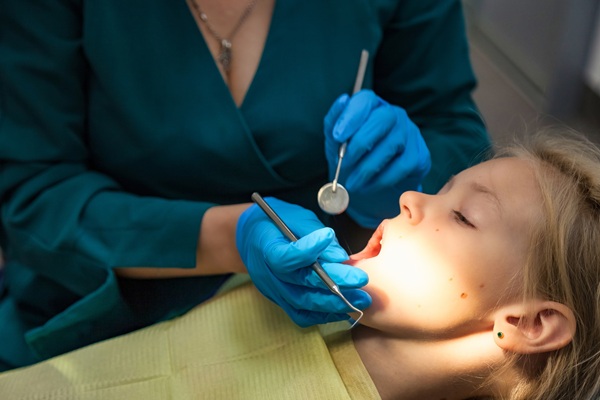
Restoring and Strengthening Teeth After a Pediatric Root Canal
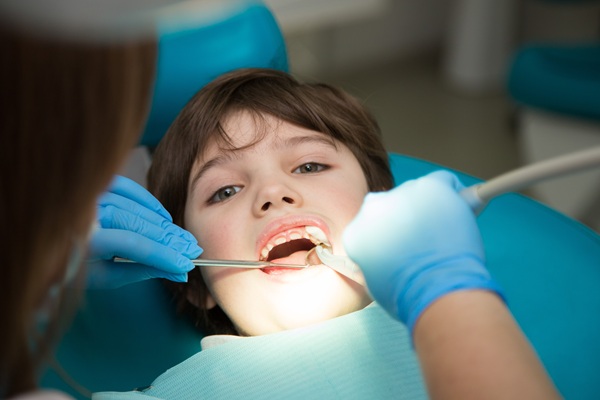
A pediatric root canal is an essential procedure for saving a damaged tooth. This treatment addresses deep decay while ensuring that the primary tooth remains in place to guide the eventual eruption of permanent teeth. After the initial treatment is complete, the focus must shift to providing a durable restoration that can withstand the daily wear and tear of chewing and speaking. Understanding the dental restoration process makes it easier to support your child's recovery.
The importance of post-treatment restoration
The real restorative work begins after a pediatric root canal. Once the pediatric dentist removes the infected or damaged pulp and seals the canals, the tooth structure is thinner and more brittle than that of a healthy, intact tooth. Without a restoration, the remaining enamel is at greater risk of fractures or additional decay.
Restoration is more than cosmetic; it is a functional necessity. Primary teeth serve as space maintainers for the developing jaw. If a treated tooth fails because it was not properly reinforced, it can lead to orthodontic complications and speech delays. Providing a strong outer shell ensures the tooth fulfills its biological role until the body is ready to shed it naturally.
Why dental crowns are the go-to for restoration after a pediatric root canal
In the majority of cases involving a pediatric root canal, a dental crown is the preferred restoration method over a simple filling. Fillings rely on the strength of the surrounding tooth structure, which is compromised during the pulp therapy process.
Meanwhile, a dental crown provides a complete 360-degree shield that encompasses the entire visible portion of the tooth. The most common material used for pediatric dental crowns is stainless steel. These are the most durable options for back molars, where chewing pressure is highest. In some cases, the pediatric dentist may recommend zirconia or composite resin crowns, which are tooth-colored and are ideal for front teeth. The pediatric dentist will determine the most appropriate material based on the location of the tooth and the specific needs of the child.
Strengthening the internal structure
Beyond the external crown, the internal restoration of the tooth involves the use of biocompatible materials that mimic the properties of natural pulp. After the dentist cleans the inner canals, they place a medicated filling inside the tooth. This material differs from adult root canal fillers because it resorbs naturally as the permanent tooth begins to push through the gums.
This internal support maintains the integrity of the roots. If the internal structure is not properly sealed, the tooth may become discolored or sensitive. Fortunately, the combination of an internal medicated seal and an external protective crown creates a multi-layered defense. This approach ensures that the tooth remains healthy in the child's mouth until the permanent tooth erupts.
Preventive care after restoration
Success after a pediatric root canal depends heavily on the maintenance of the restoration and the health of the surrounding gum tissue. Even with a crown, the parent needs to help their child clean the margins where the restoration meets the gum line to prevent gingivitis or secondary decay. The following oral hygiene routine is an effective way to protect the investment made in the child's dental health:
- Twice-daily brushing: Use a soft-bristled toothbrush to clean around the base of the crown or filling.
- Daily flossing: Flossing removes plaque from between the teeth where a toothbrush cannot reach.
- Fluoride treatment: Regular fluoride treatments at the pediatric dental office strengthen the enamel of the surrounding teeth.
- Nutritional guidance: Limiting sticky or overly sugary snacks helps prevent new cavities from forming near the restoration.
- Routine examinations: Frequent check-ups allow the pediatric dentist to monitor the stability of the crown.
- Mouthguards: If the child participates in sports, a mouthguard protects the restoration and the rest of their teeth from physical trauma.
Consistent professional cleanings and home care are the foundation of long-term success for any restorative dental work.
Long-term oral health and development
The goal of restoring a tooth after a pediatric root canal is to promote a healthy transition to permanent teeth. When a primary tooth is saved and strengthened, it maintains the proper spacing of the surrounding teeth, preventing them from tilting into the space and causing crowding. As a result, the child may avoid the need for orthodontic treatment in the future.
Protect your child's smile with a pediatric root canal
When you partner with a pediatric dentist, you can feel confident that a pediatric root canal is a safe and effective way to preserve and restore your child's smile. By following the recommended care plan and attending regular check-ups, you provide the best possible foundation for your little one to have a functional and beautiful smile. Call our Richmond office today to schedule a consultation.
Request an appointment here: https://www.grandparkwaypediatricdental.com or call Grand Parkway Pediatric Dental at (832) 579-0960 for an appointment in our Richmond office.
Check out what others are saying about our dental services on Yelp: Pediatric Root Canal in Richmond, TX.
Recent Posts
Kids dental crowns are a versatile solution in pediatric dentistry. They help protect damaged teeth and support the replacement of missing ones, making them a reliable option for long-term oral health. They can also improve the appearance of the smile. Pediatric dentists recommend crowns to restore function, protect developing teeth, and ensure a healthy, lasting…
Kids dental crowns are a popular option for restoring a smile and offer benefits to children of all ages. A dental crown is a customized, tooth-shaped cap placed over a damaged or compromised tooth to help restore its shape, size, appearance, and strength. Discover common signs indicating a kids dental crown is right for your…
Kids dental crowns reinforce a decayed or damaged tooth, restoring its function and beauty. These are just two of the many benefits of crowns. For instance, they also require minimal aftercare. Children of all ages can benefit in different ways from these versatile restorations.Kids dental crowns can restore a variety of dental conditions. They are…
Kids dental crowns stand out among dental restorations as versatile and effective solutions for various oral health issues. A dental crown, or "cap," covers and encases a damaged or weakened tooth, restoring its strength, function, and appearance. Its design is vital for children with damaged teeth, protecting their natural teeth while allowing their oral state…