Silver Diamine Fluoride for the Pediatric Dentistry Visit
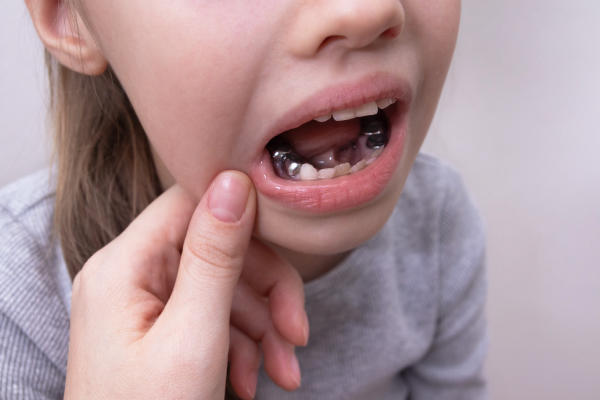
It is common for cavities to be seen in patients in pediatric dentistry. However, many children may have trouble sitting still for filling procedures and some parents may have concerns that their child is too young. Fortunately there are other options. Here is an explanation about silver diamine fluoride, what the application procedure involves and how it helps pediatric patients who have cavities.
What is silver diamine fluoride?
SDF is a noninvasive and inexpensive topical medication that is used to treat dental cavities by stopping decay and preventing the cavity from progressing. This is beneficial to quickly end the unpleasant symptoms associated with cavities, such as tooth pain and sensitivity, without going through an invasive procedure.
It is a helpful treatment option for young children who may have trouble sitting still for prolonged periods of time, as well as those who suffer from anxiety. Children who have physical or mental disabilities are also great candidates. SDF is especially beneficial for young children who have a cavity in a baby tooth because it protects the tooth from further decay but means pediatric patients can avoid going through an invasive procedure on a tooth that will eventually fall out.
SDF is unable to restore teeth, so it should never be used on a broken tooth. Silver diamine fluoride should not be used on a patient who needs a procedure such as a root canal or a patient with an extremely deep cavity. Patients who have an infection in their mouth should also not use SDF.
Is it safe?
Silver diamine fluoride is safe for young children, including toddlers. It has been used in pediatric dentistry for many years and is FDA approved. However, it cannot be used in children with a silver allergy as silver is used in SDF.
What are the ingredients in SDF?
Silver diamine fluoride is comprised of only a few key ingredients:
- Fluoride: This ingredient is necessary to help strengthen the tooth and remineralize it. This helps to stop tooth decay and prevent further decay.
- Ammonia: For maximum effectiveness, ammonia is needed to keep the solution concentrated.
- Silver: This ingredient has anti-microbial properties and is essential to help kill bacteria in the tooth.
How is SDF applied?
Gauze or cotton is used around the tooth to keep saliva from touching it so the treatment can work properly. The surface of the tooth and surrounding teeth are suctioned to remove all moisture. Then the silver diamine fluoride is brushed onto the tooth for a few minutes to ensure it gets deep into the tooth and reaches the cavity.
Patients will need to avoid eating or drinking for an hour following the procedure. SDF may need multiple applications.
Conclusion
Silver diamine fluoride is an effective alternative for cavities in pediatric dentistry. This procedure is inexpensive and is a wonderful option for children who are young or those who have dental anxieties, as well as children who have disabilities.
Request an appointment here: https://www.grandparkwaypediatricdental.com or call Grand Parkway Pediatric Dental at (832) 579-0960 for an appointment in our Richmond office.
Check out what others are saying about our services on Yelp: Read our Yelp reviews.
Recent Posts
Pediatric dentists recommend kids dental crowns for children’s teeth. Veneers are a cosmetic treatment for adults, while dental crowns serve restorative purposes for both adults and children. Here is a closer look at the differences between these two treatments and why dental crowns are the appropriate choice for kids.Dental crowns and veneers are similar in…
Kids dental crowns are a versatile solution in pediatric dentistry. They help protect damaged teeth and support the replacement of missing ones, making them a reliable option for long-term oral health. They can also improve the appearance of the smile. Pediatric dentists recommend crowns to restore function, protect developing teeth, and ensure a healthy, lasting…
A children's root canal helps save baby teeth when deep decay threatens a child’s dental health. When your child has severe tooth pain or a dental injury, deciding whether to treat or remove the tooth can be stressful for parents. Even though baby teeth will eventually fall out, they are important for a child’s oral…
Dental sealants provide children with a layer of protection against cavities during the years when their brushing skills are still developing. These thin coatings cover chewing surfaces, helping keep food and bacteria from settling into grooves. A pediatric dentist may recommend sealants as a preventive measure to protect a child’s smile and reduce the need…