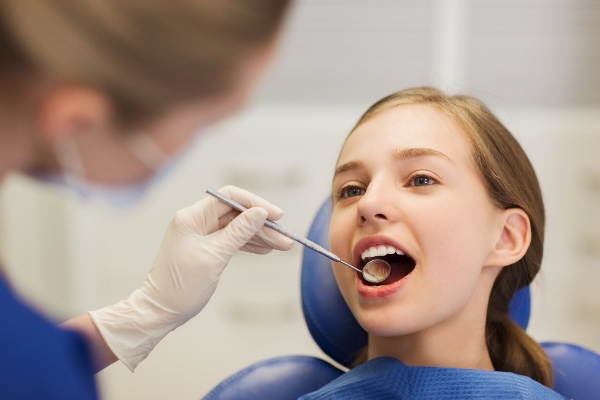
Early dental care is a great way to help ensure optimal health for your child. In addition to improved oral health, early dental care can positively impact general health, mental health, and your child’s smile. This review discusses these benefits and the overall role of early dental care.
The role of early dental care explained
Early dental care plays an integral role in childhood development. You can help ensure your child gets started the right way with oral health through educational, diagnostic, preventive, and restorative dental services. Here is a more detailed look at the purpose and importance of early dental care.
The oral health benefits of early dental care
Of course, the most notable reason for early dental care is to protect your child’s oral health. Children are vulnerable to a number of oral health concerns, including cavities, dental trauma, and orthodontic problems. Early dental care helps prevent and minimize these concerns for optimal oral health throughout childhood and adolescence.
The psychological benefits of early dental care
Many children who do not visit the dentist regularly begin developing dental anxiety or phobia, making them more hesitant to continue listing the dentist as needed when they grow older and become more independent. On the other hand, children who begin regular visits to the dentist at a young age with early dental care often develop healthy thoughts and feelings associated with visiting the dentist. In addition, a good long-term relationship can help encourage them to protect their oral health and smile in the long run once they are older and the responsibility is solely on them.
The general health benefits of early dental care
Quality oral health can help prevent various common diseases. For example, there is a correlation between periodontal (gum) disease and the onset of diabetes. In addition, infections in the mouth could spread and cause issues with general health. The fact is when there are more bacteria inside the mouth via plaque and tartar, the higher the likelihood of general health concerns.
The cosmetic benefits of early dental care
Lastly, beginning early dental care at a young age has cosmetic benefits. Patients who visit the dentist regularly, starting at a young age, can often keep a beautiful smile. In fact, early dental care can even reduce the risk (and severity) of orthodontic concerns, helping children achieve a beautiful and straight smile without the need for years of wearing braces. Also, by preventing plaque and tartar buildup, children can keep a bright smile.
Learn more about early dental care and schedule a visit
We can also give your child a tour of our dental office to keep them calm and comfortable on their first visit. We do not perform any serious treatments on the first day. We will simply meet the child, take a few X-rays, and clean the mouth using special tools. We can then discuss their treatment plan if need be.
If you have questions or are ready to schedule your child’s first early dental care visit, contact us today by phone or message. We are glad to answer your questions and find the right time for you and your child to come in for a visit with our kid-friendly team.
Request an appointment or call Grand Parkway Pediatric Dental at 832-579-0960 for an appointment in our Richmond office.
Recent Posts
A pediatric dentist can help determine the root cause of an oral health issue and if a patient will benefit from a dental crown. While there are many reasons for getting these restorations, the main goal is always to restore the tooth and enhance its functions. Here are several warning signs that your child may…
Kids dental crowns are a valuable investment in your child's oral health and smile's appearance. Whether they have received crowns to restore damaged teeth or for cosmetic reasons, it is important to properly care for them to ensure they last a long time. Here are some essential tips to help maintain the longevity and aesthetics…
Pediatric dentists use kids dental crowns and bridges to restore and protect the teeth of young patients, ensuring that their smiles stay healthy and functional. While both restorations can address dental issues, there are differences in how dentists apply them, their purpose, and the number of teeth involved. Understanding these differences helps parents make informed…