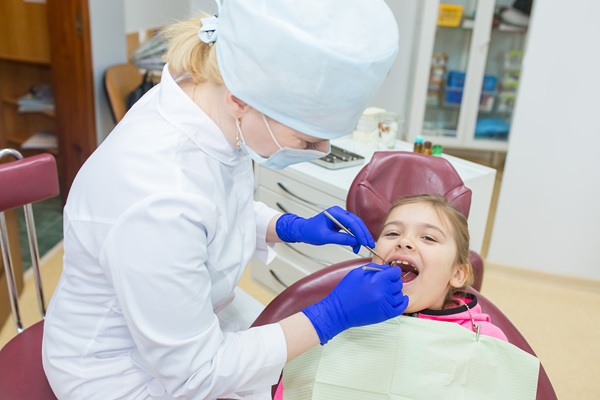
A pediatric dentist’s priority is to maintain a child’s oral health. Seeing this dental care professional can provide your child with regular dental cleanings. The young patient can also receive necessary treatments for specific dental issues. Here are the different aspects of a visit to a pediatric dentist.
Suggestions for a healthy diet
Most children eat high-carbohydrate foods. Visiting a pediatric dentist can correct the young patient’s diet. Healthier food choices can help the child’s oral and general health improve. Taking in proper nutrients can strengthen teeth and gums. Decreasing or eliminating sugary and acidic drinks can also prevent dental problems. The dentist will also recommend drinking more water after each meal because it can wash away food particles and bacteria.
Eating sweets and potato chips increases the acid production of bacteria in the mouth. The acids erode the enamel, resulting in the formation of cavities. The pediatric dentist can recommend eating more low-fat yogurt, low-fat cheese, and vegetable sticks for snacks. The nutrients in these healthier options can help with the child’s oral health.
Dental sealants
Dental sealants are protective layers of plastic that a pediatric dentist will paint on the molars. The surfaces of these teeth have grooves and pits that tend to hold food particles and bacteria. Applying sealants on these surfaces keeps these substances away and makes cleaning easier for kids. The treatment is painless as well. Proper care and maintenance can make these sealants last for at least 10 years.
Fluoride treatments or supplements
Fluoride is a naturally occurring element. It can prevent dental decay and strengthen teeth at the same time. Seeing a pediatric dentist will determine if the child needs fluoride treatments. The application of fluoride on teeth can support the child’s dental health. Research shows that it can also reverse the effects of dental decay.
The pediatric dentist will assess the young patient’s teeth if there is a deficiency in fluoride. Some areas have fluoridated water that can help with the child’s dental health. If the child does not have access to this water, then the dentist can prescribe fluoride supplements. Following the prescription is necessary. Too much or too little of this element is harmful to teeth.
Seeing a pediatric dentist early in life
Bringing the child to see the pediatric dentist before or after the first tooth emerges is ideal. This gives the child an early healthy start in good dental and general health. Early dental checkups expose the young patient to the dental clinic and the people in it. This allows the child to become comfortable with the pediatric dentist during treatments. Regular dental checks starting at a very young age allow the dentist to spot the tiniest sign of dental decay or alignment issues. This can result in early interventions before the issue worsens.
Why seeing a pediatric dentist is important
Seeing this dentist for routine dental checks and cleanings frees a young patient from serious dental problems. A child with any minor dental issues can receive treatment right away. These issues include toothaches and any abnormal dental development. Early corrections can prevent expensive and lengthy dental treatments in the future.
A pediatric dentist can also help children with alignment problems and dental damage. Braces for kids can correct dental misalignment early. Dental crowns and fillings can bring back the healthy look of damaged teeth. The dentist will determine the number of visits the child needs for these treatments.
Dental anxiety is common in children who do not see a pediatric dentist regularly. This often results in problems when it comes to necessary treatments like fillings. Visiting the pediatric dentist for regular dental checks and cleanings can make the child more comfortable in the treatment chair. The next appointments will be smooth and issue-free after the first pleasant one. This will continue as the child grows up.
The pediatric dentist will be able to keep an eye on the child’s dental development. A child’s body will continue to change until 18 years of age. The jaw changes in shape as well until the child reaches adulthood. The dentist will know how to handle the different growth stages. Guiding the child during these changes is possible with the help of the pediatric dentist and parents.
Your pediatric dentist can help your child achieve good dental and general health
Children must have a good foundation when it comes to healthy teeth and gums. Studies show that oral health is connected to one’s general health. Your pediatric dentist can help your child have a good start. This can prevent serious dental problems during the formative years until adulthood.
Request an appointment here: https://www.grandparkwaypediatricdental.com or call Grand Parkway Pediatric Dental at (832) 579-0960 for an appointment in our Richmond office.
Check out what others are saying about our dental services on Yelp: Pediatric Dentist in Richmond, TX.
Recent Posts
. Our skilled team will keep you comfortable as we restore your teeth. If you have any further questions about the procedure or dental crowns, do not hesitate to call.Request an appointment or call Grand Parkway Pediatric Dental at 832-579-0960 for an appointment in our Richmond office.
Kids dental crowns are a reliable and effective tool for restoring damaged teeth. While most parents think of dental crowns in relation to root canals, crowns can also restore beauty and function to cracked teeth. If your child has fractured a tooth, a dental crown may be the most ideal solution.Kids dental crown sits on…
Kids dental crowns are caps that cover and replace natural tooth structures to restore their shape, function, and appearance. They are a popular restorative treatment that can address various dental issues. By investing in kids dental crowns, you are not only restoring the look of your child’s smile, but you are also safeguarding their future…
Kids dental crowns can restore decayed and damaged teeth, even when fillings are not an option. They can also be combined with other restorations, such as dental bridges, to replace missing teeth. Covering, reinforcing, or replacing teeth with crowns promotes good oral health. Crowns also support a child’s oral development, improving speech development, social skills,…