What Causes Baby Bottle Rot, and What To Do Next

Baby bottle rot typically develops when sugars from milk, formula, or other beverages remain on the teeth for extended periods. The good news is that prompt care from a pediatric dentist can restore the child's oral health and comfort. Parents who understand the underlying cause of this condition and what to do next can help keep their child’s smile on the right track.
What is baby bottle rot, and what causes it?
The term baby bottle rot refers to early childhood tooth decay that frequently affects infants and toddlers. It can develop when a child falls asleep while holding a bottle or sips on a liquid many times throughout the day. Common examples include milk, juice, infant formula, flavored drinks, and even breast milk.
The problem is not the drink itself, but the fact that the sugars from it stay on the teeth for hours afterward. When sugar is left to linger on the teeth, it can feed harmful bacteria inside the mouth. These bacteria then produce acids that weaken the tooth structure and create tooth decay (cavities). That is why it is not recommended to let the child carry a bottle or sippy cup throughout the day. While it can be a comforting habit, it can also negatively affect oral health.
Signs and symptoms of baby bottle rot
For better oral health outcomes, consult a pediatric dentist as soon as one notices the early signs of baby bottle rot. These include:
- Yellow or brown spots on the teeth
- Rough areas or visible pits in the tooth surface
- Sensitivity to cold temperatures
- Fussiness during breastfeeding or meals
- Very resistant to having their teeth brushed
Again, changes often appear on the upper front teeth before spreading to the molars. Early dental treatment is a high priority, even if only one or two teeth are showing signs. This is because healthy baby teeth support every stage of a child's development.
Do baby teeth always need professional treatment?
Some parents wonder whether treatment from a pediatric dentist is really necessary. Even though baby teeth eventually fall out, they play an essential role in chewing, speech development, and guiding adult teeth into the correct positions. So when baby bottle rot causes early tooth loss, it affects oral and speech development, as well as creates more complex dental needs in the future. From a dentist's perspective, preserving baby teeth whenever possible remains a vital part of supporting a healthy, growing smile.
Treating baby bottle rot also protects daily comfort. Untreated cavities can worsen and cause pain when eating or at rest, regardless of age. A dentist can remove decay and rebuild the tooth, so it is comfortable and functional again.
Next steps: What to do about baby bottle rot
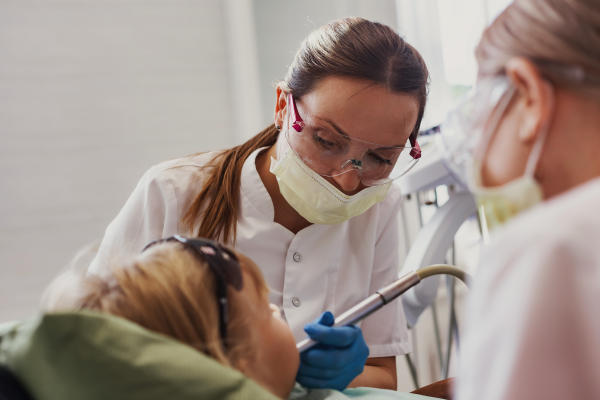
During a visit for suspected baby bottle rot, a pediatric dentist examines the mouth, determines the extent of the damage, and creates a treatment plan that fits the age of the child. If the damage is minor, the dentist can restrengthen the teeth with fluoride. Dental sealants may be used as a more protective seal against decay. For advanced cases, such as a deeper cavity, dental fillings or crowns will be needed to reinforce the tooth.
To support treatment for baby bottle rot, parents can also begin making simple changes at home. A good start is to make sure the child finishes their bottle before lying down to sleep, and to wipe the gums and teeth with a clean, damp cloth after every feeding. Additionally, a dentist will likely recommend giving the child plain water instead of sweet drinks or milk between meals. Together, these small changes can slow down the progression of baby bottle rot.
Preventing baby bottle rot from coming back
Cleaning the child’s teeth every day, limiting sugary beverages, and establishing regular dental visits can help prevent baby bottle rot from recurring. Regular visits, in particular, allow a pediatric dentist to monitor growth and spot early signs of trouble. It also gives them the chance to guide parents through each stage of smile development.
Many families find that preventive care feels much easier than treating advanced oral health problems later. With the right support, it is possible to build healthier habits that protect a child’s smile for years.
Moving toward a healthier smile
While a diagnosis of baby bottle rot feels upsetting, it is a treatable condition and an opportunity to make positive changes early in life. At Grand Parkway Pediatric Dental, we help protect children's oral health as they grow. Schedule an appointment today to learn more.
Request an appointment here: https://www.grandparkwaypediatricdental.com or call Grand Parkway Pediatric Dental at (832) 579-0960 for an appointment in our Richmond office.
Check out what others are saying about our services on Yelp: Read our Yelp reviews.
Recent Posts
Kids dental crowns are caps that cover and replace natural tooth structures to restore their shape, function, and appearance. They are a popular restorative treatment that can address various dental issues. By investing in kids dental crowns, you are not only restoring the look of your child’s smile, but you are also safeguarding their future…
A sedation dentist can help make dental restorations, such as dental crown placement, a calm and tear-free experience for your child. If dental visits and procedures make your little one feel anxious or stressed, learning about relaxation techniques can help ease your worries. Sedation dentistry can help children feel comfortable and build the confidence to…
Kids dental crowns can restore decayed and damaged teeth, even when fillings are not an option. They can also be combined with other restorations, such as dental bridges, to replace missing teeth. Covering, reinforcing, or replacing teeth with crowns promotes good oral health. Crowns also support a child’s oral development, improving speech development, social skills,…
Kids dental crowns can treat many dental issues, including cavities that are too large for traditional filling material. Cavities can eat away and weaken children's teeth, requiring restorative treatments to protect the teeth's structure and function. Here are the details about when dental crowns can help after a cavity treatment.A pediatric dentist may suggest a…