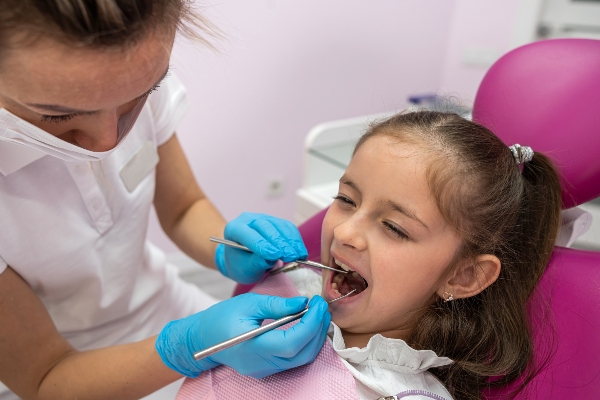
Baby root canals, or pulpotomies, are performed when a primary (baby) tooth has extensive decay or damage that affects the pulp. We understand it can be alarming for parents to hear their child needs this procedure at a young age. Therefore, we have created a step-by-step guide to the process to alleviate any worries parents and children may have.
Step one: Evaluation
To begin, if necessary, the dentist will examine the affected tooth by performing a sensitivity test and taking X-rays. These tactics help them to see the extent of the decay and health of the tooth roots. It is possible to set an appointment after determining whether a baby root canal is the most effective treatment. For those, who have already undergone this step, their official step will be step two.
Step two: Anesthesia and sedation
Children can become understandably fearful when faced with a new dental procedure. However, remaining calm is essential for this procedure. Therefore, the dentist will administer the appropriate anesthesia and sedation. Typically, local anesthesia is used on older children who can comply with instructions, but the dentist will use general sedation for children experiencing high anxiety or younger ones. This step aims to numb the area around the affected tooth to prevent any pain or discomfort during the procedure.
Step three: Access and pulp removal
Once the area is completely numb, usually taking a couple of minutes, or the child is asleep, the dentist will create a small access hole in the tooth, providing access to the pulp chamber. This step is quick and done with special instruments, ensuring precision and helping the dentist avoid slipping into other areas of the mouth. They will then carefully remove the infected or damaged pulp from the chamber and root canals.
Step four: Disinfection and filling
After removing the pulp, the dentist will sterilize the pulp chamber and root canals using antibacterial solutions safe for children. After disinfection, the space previously occupied by the pulp is precisely filled with a biocompatible material called gutta-percha. The gutta-percha seals the space to prevent bacteria re-infection while preserving the tooth's natural structure.
Step five: Post-treatment care and final restoration
Once the baby root canal is complete, the dentist will provide aftercare instructions specific to the child's age and overall dental state. It will be vital to follow these instructions diligently to ensure proper healing and care for the newly treated tooth, as it will be vulnerable in its new condition. Therefore, the dentist will recommend a final restoration.
Following the filling, the dentist may choose to place a stainless steel, porcelain, or composite resin crown. This crown acts as a protective barrier and helps maintain the tooth's integrity until it naturally falls out.
Early prevention is vital
As you can see, the procedure is not as bad as it seems. A baby root canal is an early prevention service children need to preserve their natural oral state and increase their chances of normal and healthy oral development. If the dentist has recommended a baby root canal for your child, contact us today to schedule an appointment.
Request an appointment or call Grand Parkway Pediatric Dental at 832-579-0960 for an appointment in our Richmond office.
Recent Posts
A kids dentist is experienced in solving many of the problems that are common in children or even unique to their developing dentition. Pediatric dental issues are typically due to kids’ developing oral healthcare habits and sugary diets. If your child is experiencing a dental problem or if you want to start them out on…
Finding the right kids dentist is a critical decision for parents. Pediatric dental care plays a vital role in a child’s overall health, and selecting a provider who meets a child's specific needs can set the stage for a lifetime of healthy habits. Understanding the qualifications and approach of a kids dentist will help parents…
A kids dentist, formally known as a pediatric dentist, helps set the foundation for kids oral health. While they are a pillar in setting the trajectory of a young patient's relationship with their oral hygiene and dental visits, they primarily focus on preserving the integrity of the teeth and surrounding structures. Through various methods, a…