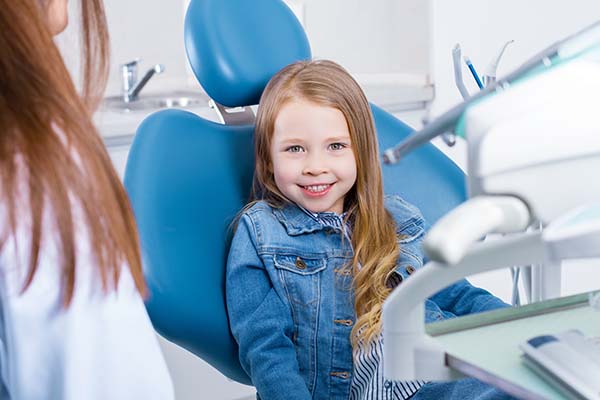
Pediatric endodontics is a subspecialty of dentistry concerned with the treatment of the dental pulp and nerve tissues of children's teeth. The term "endodontics" refers to the inside of the tooth. Pulpotomy, pulpectomy, and root canal treatment are all part of pediatric endodontics. Both primary (baby) teeth and permanent teeth may benefit from these treatments, which aim to maintain the tooth's health and functionality while preventing further infection and damage.
An overview of pediatric endodontics
The field of pediatric endodontics plays a crucial role in ensuring the continued dental health of children and halting the progression of any existing dental issues. Tooth discomfort, abscesses, and even tooth loss may result from neglecting dental pulp and root canal issues.
Pulpotomy
In a pulpotomy, the diseased or injured section of the pulp (the soft tissue within the tooth) is removed while the healthy pulp is left alone. When a baby’s tooth develops decay that has reached the pulp, this procedure is the treatment of choice. After removing the diseased pulp, the good pulp is treated with a unique substance to speed recovery and prevent infection. To get the tooth back to its normal form and function, a crown is typically put over it.
Pulpectomy
In contrast to a pulpotomy, in which just part of the pulp is removed, a pulpectomy entails the complete removal of the pulp and the root canals. Primary teeth that have been significantly injured or diseased and cannot be preserved with a pulpotomy often undergo this treatment. When the pulp has been removed, the dentist will clean the canals and fill them with an antibacterial substance. To further strengthen and safeguard the tooth, a crown may be cemented over it.
Root canal treatment
Endodontic treatment including root canals is routinely done on permanent teeth. Pulp and nerve tissue are extracted together with any damaged or diseased tissue, and the root canals are cleaned, shaped, and filled with an antimicrobial substance. When a tooth needs more strength or protection, a crown may be put over it.
Apexification
During apexification, a pediatric dentist seals off the very tip of a tooth's root. The procedure is often necessary when the tooth's root has not completely matured, and the tooth is in danger of additional injury or infection. The barrier encourages the development of new tissue around the root, which can help to save the tooth.
Dental trauma treatment
Pediatric dentists are experienced in treating dental trauma in children, such as when a tooth is knocked out or severely damaged. Treatment may include repositioning the tooth, stabilizing it with a splint, or performing root canal therapy to save the tooth.
When is pediatric endodontics necessary?
There are a number of conditions in which pediatric endodontic therapy may be necessary:
Tooth decay: Cavities in children's teeth are frequent and may spread to the pulp of the tooth if not addressed. If decay has spread to the pulp, endodontic treatment may be necessary.
Trauma: Due to their typically active lifestyles, children are more likely to encounter oral damage from incidents like falls, sports injuries, and other mishaps. If the pulp of the tooth has been injured, endodontic treatment may be necessary.
Infection: Pulp infection is painful and may spread to other parts of the body if not addressed. To stop the spread of infection and preserve the health of the tooth, endodontic treatment may be required.
The importance of pediatric endodontics
Primary teeth, or baby teeth, are essential for a child's future ability to speak, eat, and smile normally. Inadequate care for baby teeth may result in cavities, gum disease, and eventual tooth loss in children and adults.
In addition, children who have dental disorders that go untreated may experience substantial pain and discomfort, which may affect their daily routine. Treatments for pediatric endodontics help kids keep their teeth and gums healthy.
Pediatric dentists play a crucial role in preventing dental issues in children in addition to treating them. Regular dental exams, fluoride treatments, and instruction in the correct use of a toothbrush and floss are just a few of the preventative measures that they discuss with parents and guardians.
The bottom line
Pediatric endodontics is a subspecialty of pediatric dentistry that calls for extensive education and experience. Visiting a pediatric dentist is important when a kid has severe tooth pain or a serious dental condition. These dentists are well-equipped to help your kid maintain a beautiful and healthy smile for life.
Request an appointment here: https://www.grandparkwaypediatricdental.com or call Grand Parkway Pediatric Dental at (832) 579-0960 for an appointment in our Richmond office.
Check out what others are saying about our services on Yelp: Read our Yelp reviews.
Recent Posts
Dental veneers or kids dental crowns may both be viable solutions to improve the appearance and functionality of adult teeth. However, dental crowns are the best suited for repairing a child’s teeth. Discover why dentists recommend dental crowns for children.Dental veneers are thin porcelain or composite resin shells that the dentist will custom-design to fit…
Questions about teeth whitening for kids often begin when permanent teeth look darker than nearby baby teeth. While that difference can be normal because permanent teeth contain more dentin, which has a warmer tone, discoloration can also come from stains, injury, medications, developmental changes, or dental problems. Before whitening begins, our pediatric dentist can identify…
Kids dental crowns are a common treatment in pediatric dentistry that restores and protects damaged primary and permanent teeth. Also referred to as dental caps, these restorations help maintain a child's oral health by covering and strengthening weakened teeth. Pediatric dentists often recommend crowns when other restorative treatments, such as dental fillings, are not enough…
. Our skilled team will keep you comfortable as we restore your teeth. If you have any further questions about the procedure or dental crowns, do not hesitate to call.Request an appointment or call Grand Parkway Pediatric Dental at 832-579-0960 for an appointment in our Richmond office.