What Parents Should Know About Phase 1 Orthodontics for Children
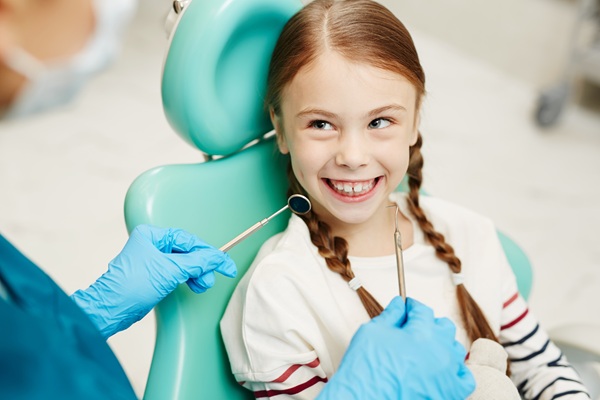
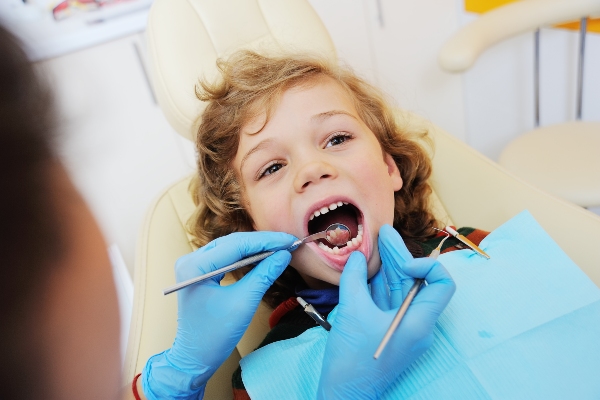
Phase 1 Orthodontics plays a vital role in guiding the proper development of a child’s teeth and jaw. This early intervention is recommended during the mixed dentition stage, when both baby and permanent teeth are present. Phase 1 Orthodontics focuses on correcting issues affecting bite alignment, jaw growth, and overall oral function. Addressing orthodontic concerns early can reduce the need for more extensive treatment later in adolescence.
The purpose of Phase 1 Orthodontics
Phase 1 Orthodontics, known as early interceptive treatment, typically begins between 6 and 10 years old. The goal is not to achieve a perfect smile at this stage but to create the right conditions for healthy dental development. Treatment may involve using limited braces, expanders, space maintainers, or other orthodontic appliances.
This proactive approach can address several issues:
- Guiding jaw growth to improve alignment and symmetry
- Creating space for permanent teeth to erupt properly
- Correcting harmful habits like thumb sucking or tongue thrusting
- Reducing the risk of trauma to protruding front teeth
Early treatment often makes future orthodontic phases shorter, less complex, and more predictable.
When to evaluate for Phase 1 Orthodontics
According to the American Association of Orthodontists, every child should receive an orthodontic evaluation by age 7. At this stage, an orthodontist can detect potential concerns that may not be obvious to parents or general dentists. Common indicators that Phase 1 Orthodontics may be necessary include:
- Early or late loss of baby teeth
- Difficulty chewing or biting
- Crossbites, underbites, or open bites
- Crowded front teeth around age 7 or 8
- Noticeable shifting of the jaw when opening or closing the mouth
Even if no immediate treatment is needed, early evaluation allows for proper monitoring and timely intervention if issues arise.
What to expect during treatment
If Phase 1 Orthodontics is recommended, treatment plans are customized to fit the child’s specific needs. This phase generally lasts 9 to 12 months, depending on the condition being addressed. Treatment is typically followed by a resting period during which the remaining permanent teeth can erupt naturally.
Regular visits are scheduled throughout the process to monitor progress, adjust appliances, and ensure comfort. A cooperative and supportive environment at home plays a significant role in treatment success, as children may need reminders about appliance care and hygiene.
The benefits of early intervention
Phase 1 Orthodontics offers several long-term advantages for children with developing orthodontic issues. Some of the most impactful benefits include:
- Better facial balance and jaw development
- Reduced need for tooth extractions or jaw surgery later in life
- Improved speech and chewing function
- Enhanced self-esteem by addressing noticeable issues early
- Lower risk of trauma to misaligned front teeth
This early phase creates space and promotes healthy eruption patterns, laying the groundwork for a smoother second phase of treatment if needed.
The role of Phase 2 Orthodontics
It is important to understand that Phase 1 Orthodontics is not always the end of the treatment journey. Once most or all of the permanent teeth have erupted, usually between ages 11 and 13, a second phase may be needed to fine-tune the alignment of the teeth and bite.
Phase 2 Orthodontics often involves full braces or clear aligners and is designed to complete the work started in Phase 1. Because the foundation has already been addressed, Phase 2 is typically more efficient and focused on aesthetic and functional refinement.
How to prepare for an orthodontic consultation
Parents should collect relevant dental records before a child’s first orthodontic visit, including recent X-rays and dental history. The orthodontist performs a clinical exam, evaluates growth patterns, and takes digital scans or impressions if needed during the consultation.
Parents are encouraged to ask questions and share concerns about their child’s oral habits, development, or previous dental issues. A clear understanding of the proposed plan, timeline, and expected outcomes helps build trust and sets the stage for a positive experience.
Supporting a child through treatment
Children respond best to orthodontic treatment when they feel informed, supported, and involved. Parents can help by:
- Reinforcing the importance of appliance care and hygiene
- Maintaining regular dental cleanings throughout treatment
- Keeping appointments and following treatment guidelines
- Offering encouragement and celebrating milestones
The more engaged and consistent the support system, the smoother the orthodontic experience.
Early action leads to lasting results
Phase 1 Orthodontics provides an opportunity to correct developmental issues before they become more complicated. With careful timing and customized treatment, early orthodontic intervention can improve oral health, function, and confidence. Consulting with an experienced pediatric orthodontist ensures each child receives the guidance needed for a healthy and well-aligned smile. For more information or to schedule a consultation, call Grand Parkway Pediatric Dental at (832) 579-0960.
To schedule a consultation, request an appointment on our website at https://www.grandparkwaypediatricdental.com or call Grand Parkway Pediatric Dental at (832) 579-0960 for an appointment in our Richmond office.
Check out what others are saying about our dental services on Yelp: Phase 1 Orthodontics in Richmond, TX.
Recent Posts
. Our skilled team will keep you comfortable as we restore your teeth. If you have any further questions about the procedure or dental crowns, do not hesitate to call.Request an appointment or call Grand Parkway Pediatric Dental at 832-579-0960 for an appointment in our Richmond office.
Kids dental crowns are a reliable and effective tool for restoring damaged teeth. While most parents think of dental crowns in relation to root canals, crowns can also restore beauty and function to cracked teeth. If your child has fractured a tooth, a dental crown may be the most ideal solution.Kids dental crown sits on…
Kids dental crowns are caps that cover and replace natural tooth structures to restore their shape, function, and appearance. They are a popular restorative treatment that can address various dental issues. By investing in kids dental crowns, you are not only restoring the look of your child’s smile, but you are also safeguarding their future…
Managing acute tooth pain before an upcoming pediatric cavity treatment requires careful attention from parents. Dental discomfort causes immense distress for young patients and demands prompt intervention at home. Understanding how to soothe this pain keeps a child comfortable until a professional dental examination occurs.Tooth pain in young children often arises from deep decay that…