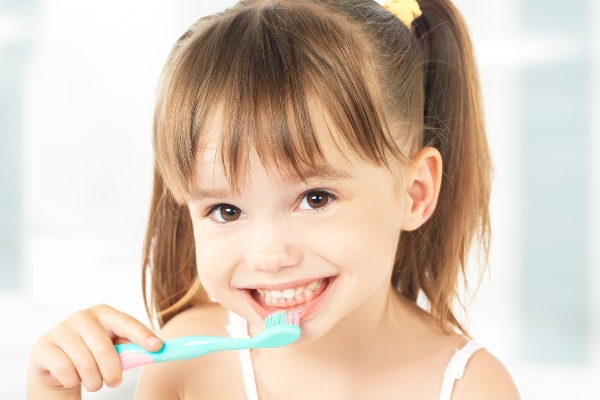
 Daily brushing and flossing are recommended by pediatric dentistry professionals to help prevent cavities and gum disease. Brushing twice a day with a parent is important in the early years, and training your child properly can help them brush independently as they grow. However, which toothpaste they use matters a great deal and can have a major impact on your child's oral health.
Toothpaste recommendations by age group
Fluoride plays a critical role in cavity prevention because it helps remineralize teeth and strengthen tooth enamel. This naturally-occurring mineral is often added to public water supplies because of its important dental health benefits. It is also added to most types of toothpaste and is recommended for children when they reach a certain age. Using or swallowing too much fluoride toothpaste can have adverse effects, but using it properly can protect your child's teeth.
Infancy and toddler years
Daily brushing should begin as soon as the first baby teeth appear, but do not start using fluoride toothpaste at this time. Babies and toddlers have trouble controlling their swallowing reflex, especially when using tasty toothpaste. Swallowing too much fluoride toothpaste could cause gastrointestinal pain and may even lead to blockages in the digestive system. Pediatric dentistry professionals recommend using fluoride-free training products that can still clean your small child's teeth and gums at this stage.
Preschool- and school-aged children
Once your child is able to brush and spit without swallowing, it is time to switch them to fluoride toothpaste. The age can vary from child to child, but this typically occurs around age 3. Babies and young children only need to use the amount of a grain of rice to clean their teeth. More than this can lead to fluorosis, the discoloration of the permanent teeth while they are still developing.
As your child grows and their permanent teeth begin to come in, they can start using more fluoride toothpaste to accommodate their growing mouth. A pea-sized amount is the recommendation for children and adults alike. Any more is unnecessary and increases the risks of accidental swallowing.
Choosing the right toothpaste
When shopping for a toothpaste for your child, look for products that have the American Dental Association seal of acceptance. These products have substantial research and data to show they are safe and effective for cleaning teeth and gums. While using a tasty flavor can encourage children to brush, keep in mind that sweet flavorings could have an adverse effect by encouraging swallowing. Always monitor children when brushing with fluoride toothpaste to be safe.
Whitening toothpaste is not safe or appropriate for children, so do not use a product designed to whiten teeth on children or teenagers. These can damage your child's teeth and should only be used by adults. If you have concerns about staining, talk with your dentist about your child's options.
Conclusion
When it comes to pediatric dental care, choosing the right toothpaste matters. Follow your dentist's recommendations about when to switch your child to fluoride toothpaste for better cavity protection.
Request an appointment or call Grand Parkway Pediatric Dental at 832-579-0960 for an appointment in our Richmond office.
Recent Posts
Pediatric dentists recommend kids dental crowns for children’s teeth. Veneers are a cosmetic treatment for adults, while dental crowns serve restorative purposes for both adults and children. Here is a closer look at the differences between these two treatments and why dental crowns are the appropriate choice for kids.Dental crowns and veneers are similar in…
Kids dental crowns are a versatile solution in pediatric dentistry. They help protect damaged teeth and support the replacement of missing ones, making them a reliable option for long-term oral health. They can also improve the appearance of the smile. Pediatric dentists recommend crowns to restore function, protect developing teeth, and ensure a healthy, lasting…
Kids dental crowns are a popular option for restoring a smile and offer benefits to children of all ages. A dental crown is a customized, tooth-shaped cap placed over a damaged or compromised tooth to help restore its shape, size, appearance, and strength. Discover common signs indicating a kids dental crown is right for your…