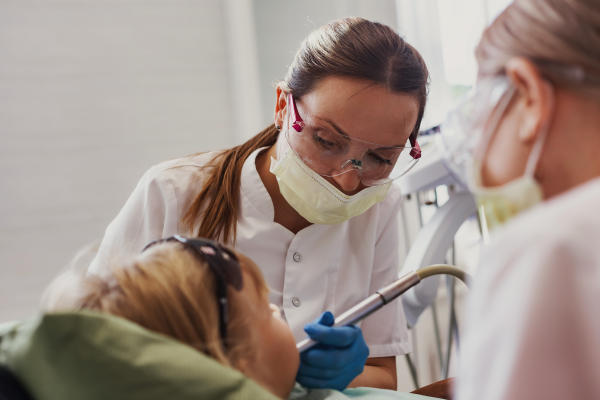
 Parents often want to know how long to wait before feeding their children following fluoride treatment. This procedure is usually done to remineralize the teeth and strengthen them against cavities or decay. The time before patients can eat or drink may depend on the fluoride varnish used. When it comes down to food choices, the dentist will provide suggestions.
Since fluoride varnish is most effective when it covers the teeth for a prolonged time, consuming improper foods and beverages too quickly might diminish its effectiveness. This article covers what you can eat or drink after getting fluoride treatment.
After fluoride therapy
It is advisable to get fluoride treatment when the dentist suggests it. Fluoride treatments are one of the safest, least intrusive, and most comfortable options for protecting the teeth from decay and strengthening the enamel. Surprisingly, the fluoride treatment process takes little time and involves few aftercare instructions.
After a fluoride treatment, most people can start eating again. The dentist will provide precise aftercare instructions and recommendations. After receiving a fluoride treatment, patients should wait 30 minutes before consuming any food or liquids. The fluoride treatment needs at least 30 minutes to fully penetrate and seal the tooth enamel.
Moreover, after getting the fluoride treatment, parents need to be extra mindful of the foods they give their children. The teeth and gums are more sensitive just after the procedure. Staying away from meals and drinks that are either too cold or too hot may be a good idea while tooth sensitivity persists. In addition, patients may want to stay away from acidic meals.
Food options after treatment
After treatment, the patient may have cold beverages and soft meals but should wait at least six hours before consuming hot liquids, eating or drinking anything complicated, using any alcohol product (including mouthwash), or cleaning or flossing the treated area.
Some of the food options to avoid include:
- Citrus foods like oranges, grapefruits, lemons, and limes.
- Foods with a crunchy or hard texture.
- Cold or frozen foods such as popsicles or ice cream.
- Sugary beverages.
Following a fluoride treatment, patients should ideally stick to smooth or liquid meals (like soups), soft foods (like applesauce, mashed potatoes, yogurt, and bananas), and hard-boiled eggs.
The need for fluoride application
Natural fluoride is utilized in dental and general healthcare to fortify tooth enamel and bone. The application of fluoride to the teeth strengthens the outer layer of the tooth (the enamel) and reduces the risk of cavities. Most people take fluoride daily since it is added to the community water supply. Years ago, the United States government ordered that communities add fluoride to their drinking water to boost the nation's average dental health rating. One can increase fluoride intake in a variety of ways. Patients who want more fluoride may see the dentist for a professional treatment, use fluoride-containing toothpaste or mouthwash, or get at-home fluoride treatment.
Conclusion
Flouride treatments may help you avoid cavities, keep your teeth healthy, and even lessen any sensitivity you have in your teeth. Getting fluoride treatments can be an inexpensive and efficient boost to your dental health. Avoid letting doubts about what and when you will be able to consume following the treatment prevent you from making healthy decisions.
Request an appointment or call Grand Parkway Pediatric Dental at 832-579-0960 for an appointment in our Richmond office.
Recent Posts
Kids dental crowns are caps that cover and replace natural tooth structures to restore their shape, function, and appearance. They are a popular restorative treatment that can address various dental issues. By investing in kids dental crowns, you are not only restoring the look of your child’s smile, but you are also safeguarding their future…
Kids dental crowns can restore decayed and damaged teeth, even when fillings are not an option. They can also be combined with other restorations, such as dental bridges, to replace missing teeth. Covering, reinforcing, or replacing teeth with crowns promotes good oral health. Crowns also support a child’s oral development, improving speech development, social skills,…
Kids dental crowns can treat many dental issues, including cavities that are too large for traditional filling material. Cavities can eat away and weaken children's teeth, requiring restorative treatments to protect the teeth's structure and function. Here are the details about when dental crowns can help after a cavity treatment.A pediatric dentist may suggest a…