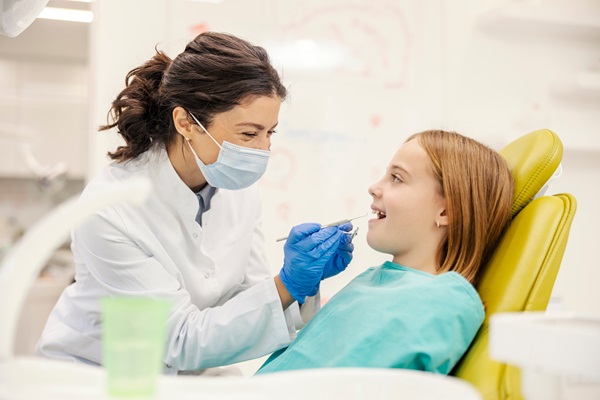
Many parents wonder, "When is the right time to consider kids orthodontics?" Addressing this question early can make a significant difference in a child's oral health, function, and overall development. While each child's needs are unique, general guidelines can help determine the best time to begin orthodontic care.
The importance of a kids' orthodontic evaluation
The American Association of Orthodontists, or AAO, recommends that children have their first orthodontic evaluation by the age of seven years old. At this age, a pediatric dentist or orthodontist can identify potential tooth alignment or jaw development issues. Early evaluation also allows for timely intervention, if necessary, potentially reducing the complexity of future treatments. Further, by addressing these concerns early, kids' orthodontics can help prevent more severe issues in the future.
Signs kids orthodontics is necessary
Several indicators indicate that a child may require orthodontic treatment at any age, such as crowded teeth, gaps, drooling, or difficulty chewing. In some cases, habits like thumb-sucking or mouth breathing can affect the alignment of teeth and the development of the jaw. If the teeth do not meet properly when biting down, this could also indicate a need for kid orthodontics, as the issue will likely worsen due to their still-developing bodies. Some signs are more covert, which is why parents should help their children maintain their biannual dental appointments, as the American Dental Association, or ADA, recommends, so a trained professional can supervise their oral state.
Benefits of starting orthodontics early
Starting kids orthodontic treatment at the right time offers numerous advantages. Early intervention can guide the growth of the jaw to create sufficient space for permanent teeth, reducing the need for extractions later. It can also correct bite issues and improve the teeth' overall alignment, enhancing both functionality and aesthetics. These benefits directly impact their ability to properly form words, the structure of their face, and the way they eat.
Lastly, as children grow older, they become more aware of their appearance, particularly as they engage in more social interactions outside their homes. Thus, kids' orthodontics can have a psychological impact by enhancing their confidence through an improved smile and relieving any discomfort associated with misaligned teeth.
What happens during kids' orthodontic treatments
According to the AAO, kids' orthodontics breaks up into two phases. The first phase is interceptive orthodontics for kids between the ages of seven and ten. This phase introduces treatments like expanders or partial braces to address crossbites, severe crowding, and more. The dental team may use diagnostic tools like X-rays or 3D imaging to completely understand the child's dental state.
After the evaluation, phase two begins. It involves the dentist discussing the recommended treatment plan, including the type of appliances needed, the expected duration of treatment, and the estimated cost. This information allows parents to make informed decisions about their child's orthodontic care.
Factors that determine orthodontic introduction
The timing of orthodontic treatment depends on several factors, including the child's age, dental development, and the severity of the issue. Some children may require early intervention, while others can wait until their teenage years. A pediatric dentist can assess these factors during a consultation and develop a personalized treatment plan.
For children with complex issues, such as severe crowding or an underdeveloped jaw, earlier treatment may be necessary to prevent complications. Conversely, if the primary teeth have not yet fallen out, the dentist may recommend waiting until the permanent teeth have erupted to begin treatment.
Addressing common concerns about orthodontic treatment
Parents often have concerns about the cost, time commitment, and effectiveness of orthodontic treatment for their children. However, it is important to remember that investing in kids' orthodontics improves dental health and prevents costly and invasive procedures in the future. Modern orthodontic techniques are designed to be efficient and comfortable, ensuring a positive experience for children and their families.
In addition, orthodontic practices today offer a variety of treatment options, including clear aligners and ceramic braces, which are less noticeable than traditional metal braces. These advancements make it easier for children to feel confident throughout their orthodontic journey.
Schedule your child's next appointment
Understanding when to begin orthodontic treatment is essential for ensuring the best outcomes for a child's dental health. By identifying the signs and seeking early evaluation, parents can provide their children the care they need to achieve a healthier, more confident smile. To learn if your child specifically can benefit from kids orthodontics, contact Grand Parkway Pediatric Dental and schedule an appointment.
Request an appointment here: https://www.grandparkwaypediatricdental.com or call Grand Parkway Pediatric Dental at (832) 579-0960 for an appointment in our Richmond office.
Check out what others are saying about our dental services on Yelp: Orthodontics for Children in Richmond, TX.
Recent Posts
Kids dental crowns stand out among dental restorations as versatile and effective solutions for various oral health issues. A dental crown, or "cap," covers and encases a damaged or weakened tooth, restoring its strength, function, and appearance. Its design is vital for children with damaged teeth, protecting their natural teeth while allowing their oral state…
Dental veneers or kids dental crowns may both be viable solutions to improve the appearance and functionality of adult teeth. However, dental crowns are the best suited for repairing a child’s teeth. Discover why dentists recommend dental crowns for children.Dental veneers are thin porcelain or composite resin shells that the dentist will custom-design to fit…
Questions about teeth whitening for kids often begin when permanent teeth look darker than nearby baby teeth. While that difference can be normal because permanent teeth contain more dentin, which has a warmer tone, discoloration can also come from stains, injury, medications, developmental changes, or dental problems. Before whitening begins, our pediatric dentist can identify…
Kids orthodontics can help a pediatric dentist spot developing tooth and bite concerns before they become harder to manage. Some children may benefit from early treatment that guides jaw growth, creates space, or helps permanent teeth come in more comfortably. A dentist can examine the teeth, bite, and oral habits to decide whether a child…