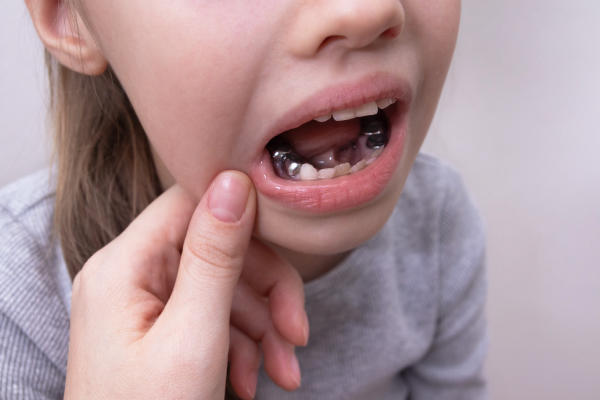
A Pediatric Dentist Answers FAQs About Baby Teeth

One of the most common mistakes a pediatric dentist sees is parents who do not understand the importance of their child’s baby teeth. Although they are not permanent, the health of baby teeth can affect the way permanent teeth grow in. Inevitably, they affect the health of the permanent teeth.
Pediatric dentist FAQs
By understanding the importance of baby teeth, parents can then take the necessary action to ensure their child is able to practice good oral care on a consistent basis. The following are four of the more frequently asked questions pediatric dentists receive about baby teeth.
Are baby teeth important?
Baby teeth, otherwise referred to as primary teeth, - are incredibly important to a child’s development. Baby teeth help children eat more effectively and can help them learn to speak without an impediment. Without healthy baby teeth, children may find it more difficult to speak or eat. This is essential for their development.
Perhaps more importantly than the short-term role baby teeth play, they also serve as placeholders until the permanent teeth are ready. If the baby teeth fall out early, then it can cause the permanent teeth to come through crooked and cause a malocclusion.
Is thumb sucking harmful to baby teeth?
Another frequently asked question pediatric dentists receive is whether or not thumb sucking affects baby teeth in a negative manner. It is important to know that thumb sucking is normal and natural for children under the age of four. It should not be entirely discouraged.
However, children over the age of four should be urged to quit thumb sucking. This is because it can affect the way permanent teeth come through. When thumbsucking goes on too long past the age of four, it can cause permanent teeth to come through crooked and lead to an underbite or overbite.
How can I care for my child’s baby teeth?
The best way to care for your child’s baby teeth is to ensure your child is following a consistent oral care routine. This should include brushing several times a day, flossing and using mouthwash.
A child’s diet can also play a role in their oral health. It is important to have them limit intake of foods and drinks that are harmful to teeth, such as foods high in sugar or other carbohydrates. Additionally, be sure to check your child for cavities and other oral health concerns. Visit the pediatric dentist if any complications develop.
When should I take my child to a pediatric dentist?
It is important for parents not to wait until an oral health concern develops to take their child to see the pediatric dentist. They should ensure their child makes it to all routine dental visits even if their baby teeth are completely healthy. In general, it is encouraged for parents to take their child to see the pediatric dentist every four to six months. Although the needs of each child may be different and less frequent or more frequent visits may be recommended.
In conclusion
A pediatric dentist is often the best dentist to deal with a child's baby teeth. Contact us for more information or to schedule an appointment.
Request an appointment here: https://www.grandparkwaypediatricdental.com or call Grand Parkway Pediatric Dental at (832) 579-0960 for an appointment in our Richmond office.
Check out what others are saying about our services on Yelp: Read our Yelp reviews.
Recent Posts
Pediatric dentists recommend kids dental crowns for children’s teeth. Veneers are a cosmetic treatment for adults, while dental crowns serve restorative purposes for both adults and children. Here is a closer look at the differences between these two treatments and why dental crowns are the appropriate choice for kids.Dental crowns and veneers are similar in…
Kids dental crowns are a versatile solution in pediatric dentistry. They help protect damaged teeth and support the replacement of missing ones, making them a reliable option for long-term oral health. They can also improve the appearance of the smile. Pediatric dentists recommend crowns to restore function, protect developing teeth, and ensure a healthy, lasting…
A children's root canal helps save baby teeth when deep decay threatens a child’s dental health. When your child has severe tooth pain or a dental injury, deciding whether to treat or remove the tooth can be stressful for parents. Even though baby teeth will eventually fall out, they are important for a child’s oral…
Dental sealants provide children with a layer of protection against cavities during the years when their brushing skills are still developing. These thin coatings cover chewing surfaces, helping keep food and bacteria from settling into grooves. A pediatric dentist may recommend sealants as a preventive measure to protect a child’s smile and reduce the need…